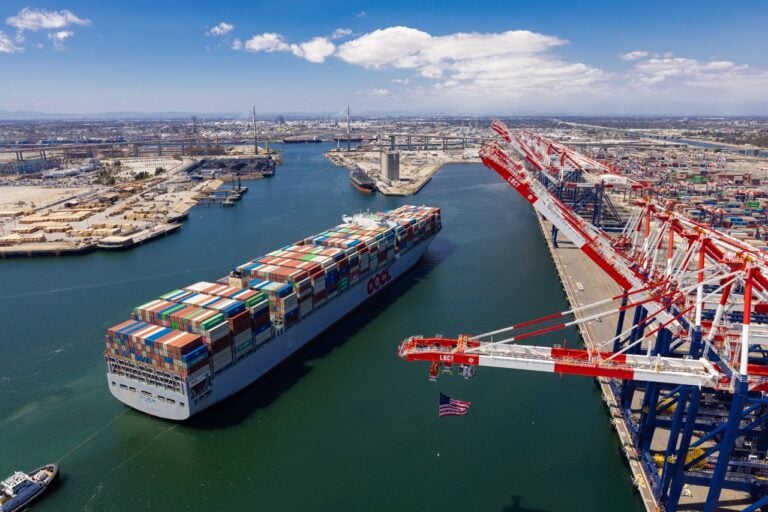
The Ust-Luga port, considered one of the vital ports for Russian oil exports on the Baltic coast, suffered new damage due to a drone attack in the early hours of the morning. This attack comes amid increasing escalation from Ukraine aimed at targeting Russian energy infrastructure, reflecting rising tensions in the region.
The late-night attack resulted in significant damage at the port, raising concerns about Russia's ability to maintain its oil exports under the current circumstances. Ust-Luga is one of the main ports that Russia relies on to export its oil to global markets, making it a target in Ukraine's broader strategy to disrupt the Russian economy.
Details of the Incident
According to reports, the attack on Ust-Luga is part of a series of strikes launched by Ukraine against vital Russian facilities. Drones were used in this attack, indicating a development in Ukraine's military capabilities in confronting Russia. This incident follows a series of previous attacks that targeted Russian energy facilities, highlighting the challenges Russia faces in maintaining stability in its energy sector.
It is worth noting that Ust-Luga is one of the modern ports developed in recent years, and it serves as a strategic hub for Russian oil exports. The port has seen a remarkable increase in export volumes, making it an attractive target for Ukrainian attacks.
Background & Context
Since the beginning of the conflict between Russia and Ukraine, the region has witnessed an escalation in mutual attacks, with Ukraine seeking to target Russian infrastructure as part of its military strategy. These attacks have had significant impacts on the Russian economy, as oil and gas production in some areas has declined due to the damage caused by the strikes.
Historically, Ust-Luga has been a key hub for Russian oil exports and was developed to serve as an alternative to other ports like Novorossiysk. As the conflict has escalated, the port has become susceptible to attacks, threatening the stability of Russian oil exports.
Impact & Consequences
The repercussions of the attack on Ust-Luga extend beyond military aspects, as it could affect global oil prices. If attacks on Russian facilities continue, this may lead to a shortage in oil supplies, driving prices up in global markets. This could impact oil-importing countries, including Arab nations that rely on Russian oil.
Moreover, the continued escalation of attacks may provoke responses from Russia, intensifying the conflict and affecting regional stability. We may witness an increase in military operations in the near future, complicating the situation in the region.
Regional Significance
Given the current situation, events in Ukraine directly affect the Arab region, especially amid significant reliance on oil. A potential rise in oil prices could have negative impacts on Arab economies, which heavily depend on oil revenues. Additionally, any escalation in the conflict may affect Arab investments in Russia and Ukraine.
In conclusion, the attack on Ust-Luga illustrates how the Ukrainian-Russian conflict extends beyond military dimensions, impacting global economic conditions. As tensions continue to rise, the world remains watchful of developments in the region and their potential effects.