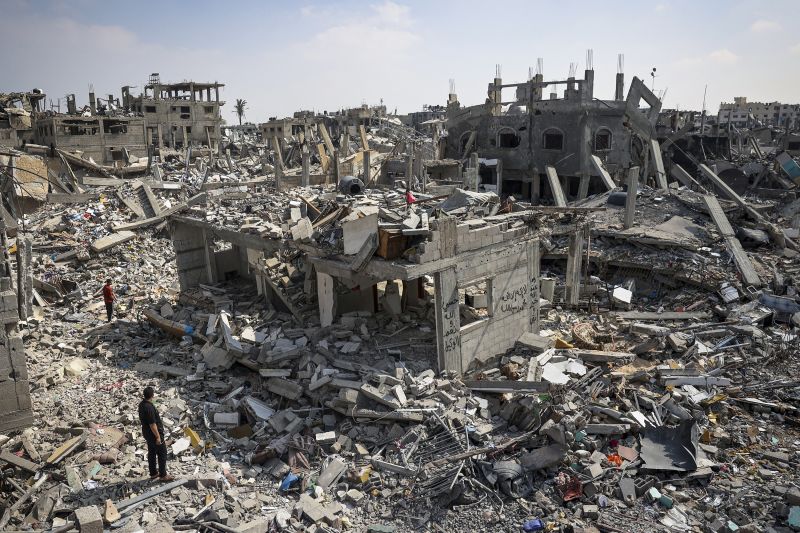
The ongoing conflict in the Middle East has caused damage to approximately 40 energy facilities, threatening supply stability and increasing economic challenges in the region. Reports indicate that this damage comes at a sensitive time, as many countries are suffering from escalating energy crises.
These damaged facilities are distributed across several countries, including power generation stations and oil and gas extraction facilities. This situation reflects the direct impact of armed conflicts on vital infrastructure, complicating reconstruction and development efforts.
Details of the Incident
Local sources reported that the damage to the facilities resulted from continuous shelling and military operations in conflict areas. Satellite images have shown significant destruction of these facilities, hindering production processes and affecting both local and international supplies.
These facilities are a crucial part of the national economy in many countries, significantly contributing to the energy needed for daily needs. With the increasing demand for energy, the damage to these facilities could lead to severe supply shortages, driving up energy prices and increasing economic pressures on citizens.
Background & Context
Historically, the Middle East has witnessed numerous armed conflicts that have directly impacted the energy sector. For decades, wars and conflicts have led to the destruction of infrastructure, forcing countries to rely on energy imports instead of producing it locally.
Energy is one of the main factors determining the stability of countries in the region, as their economies heavily depend on oil and gas production. With rising political tensions, the risks to these facilities increase, threatening the stability of global markets.
Impact & Consequences
The repercussions of the damage to energy facilities extend beyond national borders, affecting global markets. As oil and gas prices rise due to supply shortages, we may witness an increase in the cost of living in many countries.
Moreover, the damage to these facilities could exacerbate humanitarian crises in the affected countries, where populations suffer from shortages of electricity and water, further increasing social instability.
Regional Significance
The Middle East is one of the most sensitive regions in the world, where political and economic interests intersect. The damage to energy facilities in this area could impact relations between countries and heighten regional tensions.
Under these circumstances, it becomes essential for Arab countries to cooperate in finding sustainable solutions that enhance supply stability and mitigate the negative impacts of conflicts on the energy sector.
In conclusion, the damage to energy facilities in the Middle East highlights the urgent need for peaceful solutions to conflicts, as stability in this vital sector is essential for achieving sustainable development in the region.