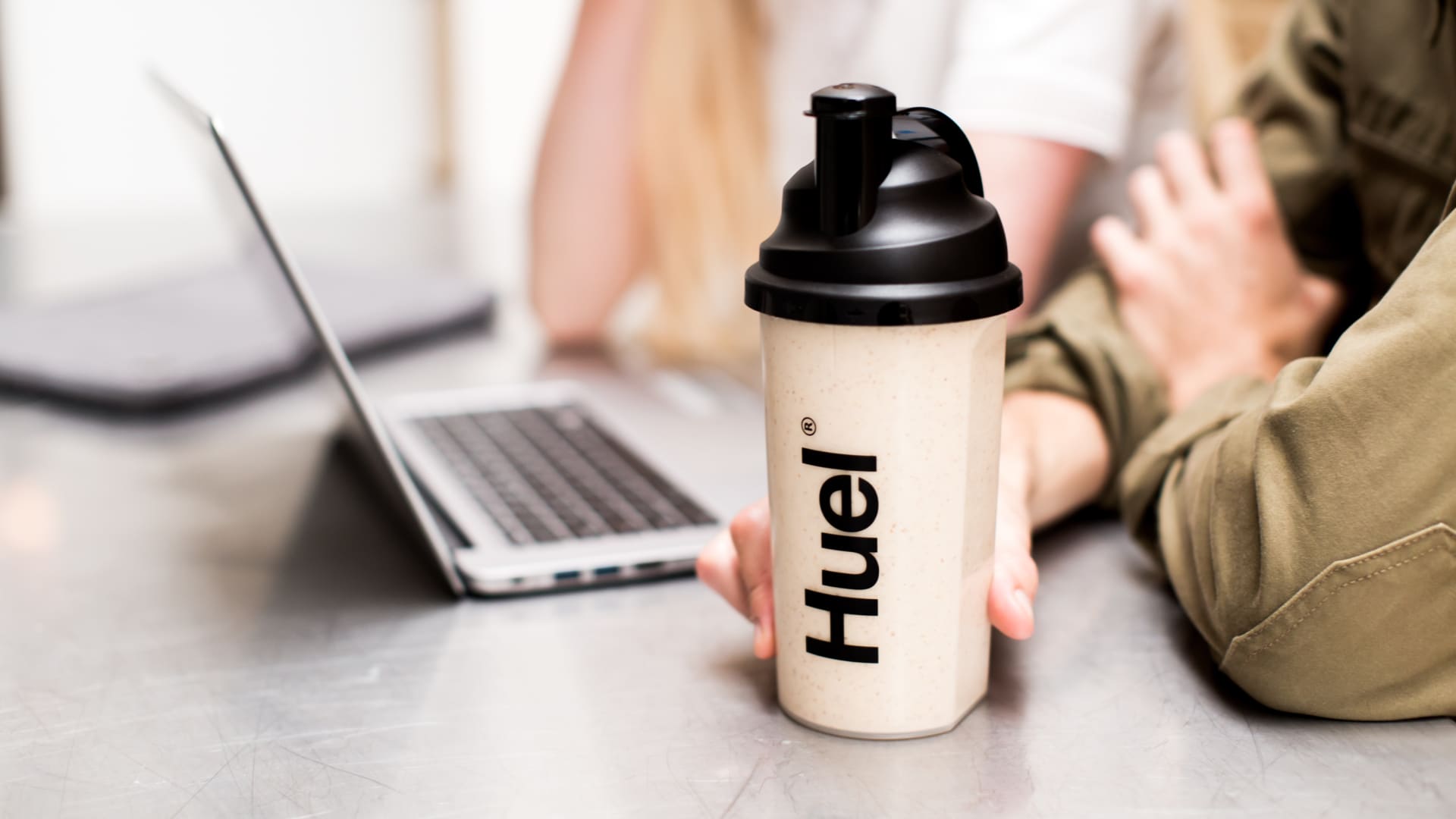
French food and beverage company Danone announced on Monday its intention to acquire Huel, known for manufacturing protein drinks, in a move that signals a new strategy aimed at catering to the health-conscious youth demographic. This announcement coincides with a rising trend towards nutrient-rich foods and healthy products, alongside the emergence of weight management medications that reflect consumers' desires for more balanced diets.
Founded in the United Kingdom, Huel offers a diverse range of nutrient-fortified protein drinks that have gained widespread popularity, particularly among the youth and celebrities, including renowned podcaster Stephen Bartlett and actor Idris Elba. This acquisition comes at a critical time for Danone, which seeks to enhance its presence in the growing health market.
Details of the Acquisition
According to reports, the deal, valued at approximately €1 billion (equivalent to $1.15 billion), requires regulatory approvals. While Danone declined to comment on the final value of the deal, its CEO, Antoine de Saint-Affrique, confirmed that combining Huel's product range and digital capabilities with Danone's expertise in nutrition would enhance the company's opportunities in the "fast-growing nutritious space."
Huel's CEO, James McMaster, stated that "most people do not get enough protein, fiber, or the right nutrients," adding that Huel has found a solution to this issue through its products.
Background & Context
Food companies are adapting to emerging trends, with increasing health awareness playing a significant role in reshaping the food industry. This shift towards healthy foods is accompanied by a rise in the use of new medications like GLP-1, aimed at assisting with weight loss, with estimates suggesting that the global market for GLP-1 drugs is expected to reach $100 billion by 2027.
The growing health consciousness among consumers increases pressure on companies to improve the quality of their products and offer food options that align with market needs. Currently, analysts indicate that about 2% of the European population uses GLP-1 medications, but this percentage is expected to rise significantly over time.
Impact & Consequences
Danone's deal with Huel represents a turning point in corporate strategies to address changing consumer preferences. The acquisition signals that traditional companies are beginning to recognize the necessity of innovation and rapid responses to market changes. This could lead to further changes in the nutritional composition of food and beverage offerings in the market.
It is clear that major food companies can no longer rely solely on traditional production methods; they need to adopt innovations and modern technologies to meet the needs of the new generation. This trend may pave the way for the emergence of more new products in the food market.
Regional Significance
In the Arab region, this global trend reflects similar movements towards healthy and balanced food products. With increasing awareness of health and nutrition, the importance of investing in healthy foods that meet the demands of the Arab market becomes evident.
This deal between Danone and Huel may inspire Arab companies to implement similar strategies in offering food products that enhance public health and align with the aspirations of Arab youth for healthier and more balanced lifestyles.