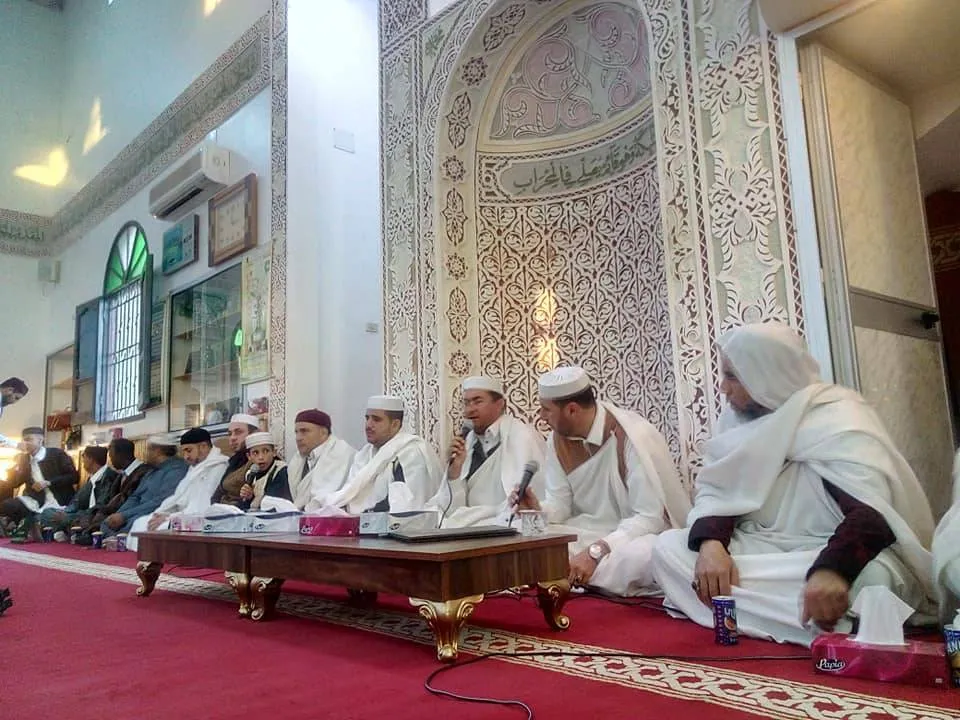
The death of a Sufi detainee at Al-Kwefiya prison in Benghazi, eastern Libya, has brought the issue of detaining followers of Sufi orders back into the spotlight, provoking widespread human rights criticism. Jumaa Mohammed Al-Sharif (65 years old) died after his health deteriorated, reflecting the medical neglect faced by detainees in Libyan prisons.
No official comment has been issued by the authorities in eastern Libya regarding the incident, but Dr. Jaziah Sha'itair, a member of the National Committee for Monitoring Prisoners' Conditions, clarified that the committee's tasks are limited to administrative follow-up and do not include investigating criminal incidents, noting that this jurisdiction belongs to the Public Prosecutor's Office.
Details of the Incident
Al-Sharif died after being detained since September 2024, as part of a campaign targeting dozens of followers of Sufi orders. According to human rights reports, Al-Sharif suffered from medical neglect and was denied necessary treatment, in addition to allegations of torture during his detention. The National Human Rights Institution in Libya confirmed that Al-Sharif was held without trial and that his health condition deteriorated severely, leading to paralysis before his death.
This case marks the eighth of its kind, as other deaths of detainees from Sufi orders have been recorded, suspected to have suffered from torture or medical neglect. Human rights activists demanded in December that the Attorney General open an urgent investigation into the detention of about 70 Sufis without presenting them to the judiciary.
Background & Context
The roots of tensions against Sufi orders in Libya date back to after 2011, when the country witnessed arrests and prosecutions of followers of these orders. Human rights reports documented assaults on shrines and Sufi corners in several cities, reflecting a state of ongoing political and security division. Under these circumstances, fears have increased regarding the targeting of religious and belief freedoms.
In this context, the UN envoy to Libya, Hanna Titiyeh, warned of the continued assaults on followers of Sufi orders, considering this a threat to religious freedom and social cohesion. The Supreme Council for Islamic Sufism in Libya also called for an end to the repeated violations and the release of detainees.
Impact & Consequences
This incident raises serious questions about human rights in Libya, reflecting the neglect and torture that detainees face. Additionally, these events may lead to an escalation of protests and demands for improved prison conditions and the rights of detainees. At the same time, these conditions may affect the relationships between local authorities and civil society, increasing internal tensions.
This incident serves as a wake-up call for Libyan authorities to improve prison conditions and provide necessary healthcare for detainees, as the continuation of these violations could exacerbate humanitarian and social crises in the country.
Regional Significance
The issue of human rights in Libya is part of a broader picture reflecting the challenges faced by many Arab countries in the field of public freedoms. The ongoing violations in Libya may impact neighboring countries, where demands for improved human rights conditions in the region could escalate. Moreover, these events may inspire human rights movements in other countries to advocate for better prison conditions and detainee rights.
In conclusion, the issue of human rights in Libya requires both international and local attention, as improving conditions in prisons and ensuring detainee rights represents a fundamental step towards achieving justice and reconciliation in the country.