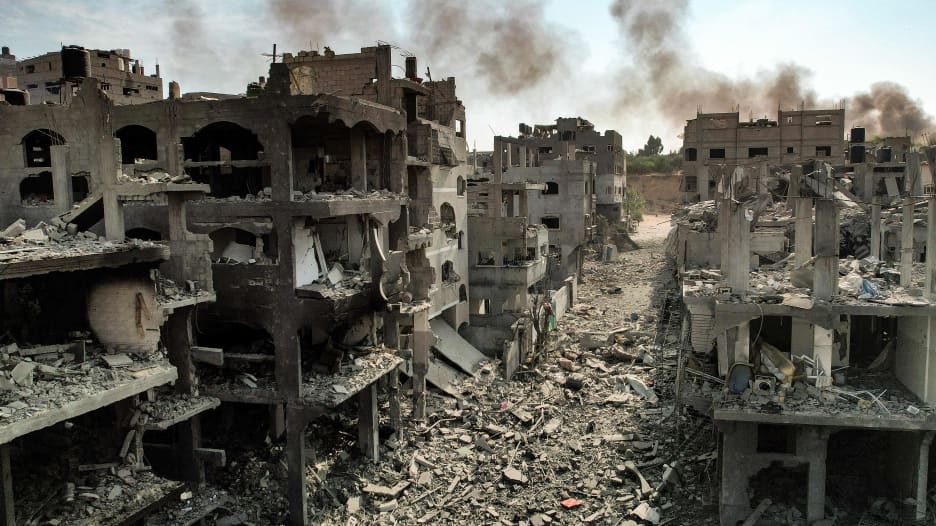
The violence in Lebanon is escalating with ongoing Israeli bombardments, as the Lebanese Ministry of Health confirmed that the **total death toll** has reached **1,039** since the beginning of the Israeli attacks that started on **March 2**. Furthermore, **2,876 individuals** have sustained varying degrees of injuries. In just the past twenty-four hours, **10 people** have died and **90 others** have been injured throughout the country.
This escalation comes at a time when Lebanon is experiencing severe security tensions, with hostilities doubling in recent weeks, significantly impacting civilian life.
Details of the Incident
The Israeli attacks began in **March** as part of an extensive military campaign targeting sites associated with the movement, prompting the Lebanese government to call for an immediate cessation of bombings. As international pressure mounts for de-escalation, Israeli military operations continue to accelerate, creating a state of panic and fear among the population.
Hospitals in Lebanon report facing significant challenges in coping with the increasing number of injured, as most healthcare facilities are suffering from shortages of medical and therapeutic supplies. The humanitarian situation is worsening day by day with the continuation of attacks.
Background & Context
The roots of the current tensions between Lebanon and Israel extend back decades of ongoing conflict, with both parties engaged in violent confrontations for over 70 years. Recent years have witnessed a notable increase in military activities along the border, including reciprocal attacks and political responses, placing Lebanon in the crosshairs of regional conflicts.
Recently, there have been attempts to stabilize relations among the various parties; however, recent developments have shown that the situation has spiraled out of control. Lebanon, already grappling with economic and social crises, now faces additional security challenges, with the United Nations agency indicating that over three million people are directly affected by the conflict.
Impact & Consequences
The recent escalation is linked to rising tensions across the region, as Israeli attacks serve to alter military equations while simultaneously increasing civilian suffering. Significant loss of life can lead to profound reactions within Lebanese society, raising discussions about human rights and human security.
Amid escalating humanitarian crises, many Lebanese express their concerns about the continuation of war and the devastating impact it will have on the national economy and individual dignity.
Regional Significance
The recent attacks have direct implications for stability in the region, as Lebanon is central to the Israeli-Lebanese conflict. There are increasing calls from the international community to halt the violence, but both sides appear entrenched in their positions. Such events underscore that stability in Lebanon may remain fragile without a comprehensive political settlement addressing the root causes of the regional conflict.
In conclusion, the situation in Lebanon remains under scrutiny, with rising human casualties and ongoing military attacks. The Lebanese people look to the international community for support in facing these crises, hoping for a lasting solution that saves lives and restores peace to the region.