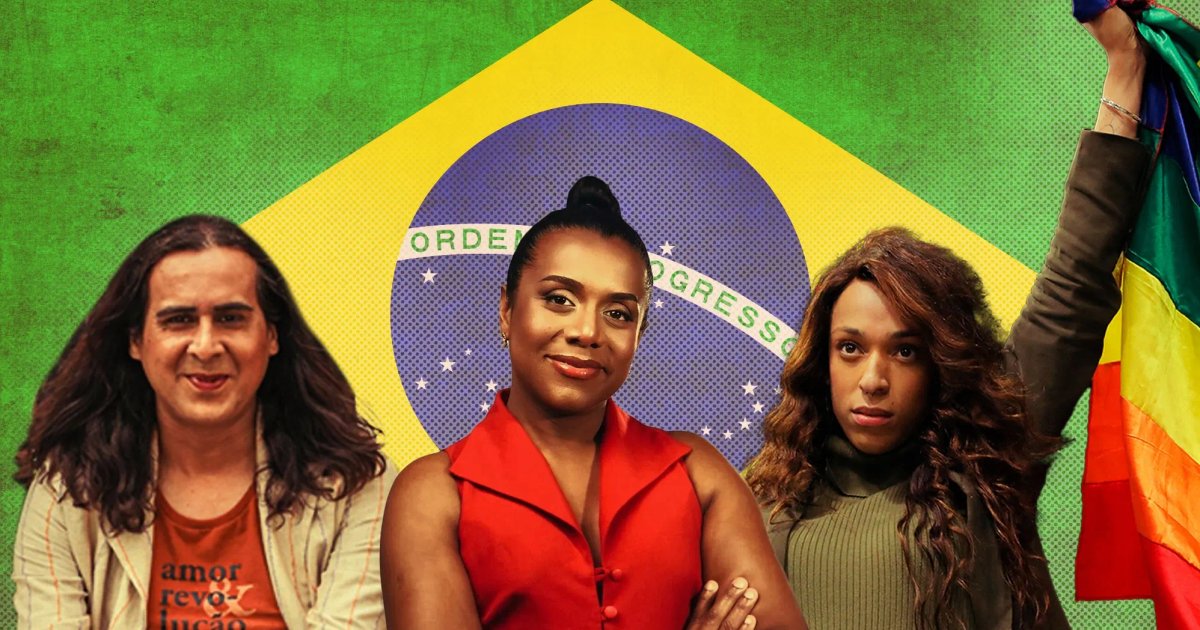
The election of Brazilian deputy Erika Hilton, recognized as the first transgender deputy in Brazil, to lead a parliamentary committee dedicated to defending women's rights has ignited significant debate within political and social spheres. Some voices from the far-right have deemed this move a breach of traditional boundaries, arguing that Hilton lacks the qualifications to fully understand women's issues.
This decision comes at a time when Brazil is experiencing intense discussions surrounding minority rights, particularly those of women and the LGBTQ+ community. Hilton's election has elicited mixed reactions; while some view her as a symbol of progress and acceptance, others perceive her as a threat to traditional values.
Details of the Event
Erika Hilton was elected to chair the parliamentary committee during a special session, receiving support from several deputies who believe that minority representation in parliament is essential. In her statements, Hilton emphasized her commitment to promoting women's rights and advocating for their issues, highlighting the importance of listening to diverse women's experiences.
However, negative reactions quickly surfaced, with far-right voices criticizing this choice, claiming that Hilton cannot comprehend the challenges women face due to her background. These criticisms have been viewed as attempts to undermine efforts to promote minority rights in the country.
Background & Context
Historically, Brazil has been one of the countries that has witnessed significant struggles regarding women's rights and LGBTQ+ issues. Despite progress made in recent years, challenges remain, as women and minorities in Brazil continue to face increasing discrimination and violence. These issues have contributed to the emergence of feminist and community movements striving for justice and equality.
In recent years, Brazil has also seen a rise in far-right movements aiming to reshape the political and social landscape of the country. This rise has had a profound impact on minority rights, intensifying the debate surrounding these issues.
Impact & Consequences
Hilton's election could have far-reaching implications for the political landscape in Brazil. On one hand, this choice may bolster efforts to enhance women's rights and equality, encouraging more women and minorities to engage in political life.
On the other hand, this controversy could exacerbate political and social divisions within the country, as far-right factions may exploit this issue to further their agenda. Consequently, this event could serve as a turning point in how women's and minority rights issues are addressed in Brazil.
Regional Significance
Although the situation in Brazil differs from the realities in Arab countries, issues related to women's rights and gender equality remain critically important in the region. Women in many Arab nations face similar challenges, including discrimination and violence. Hilton's success in her position could influence women's movements in the Arab world, as her story may inspire more women to advocate for their rights.
In conclusion, the election of Erika Hilton marks a pivotal moment in Brazil's history, embodying the ongoing struggle for women's rights and equality. As the debate surrounding this topic continues, there is hope that this step will contribute to the promotion of minority rights and the achievement of social justice.