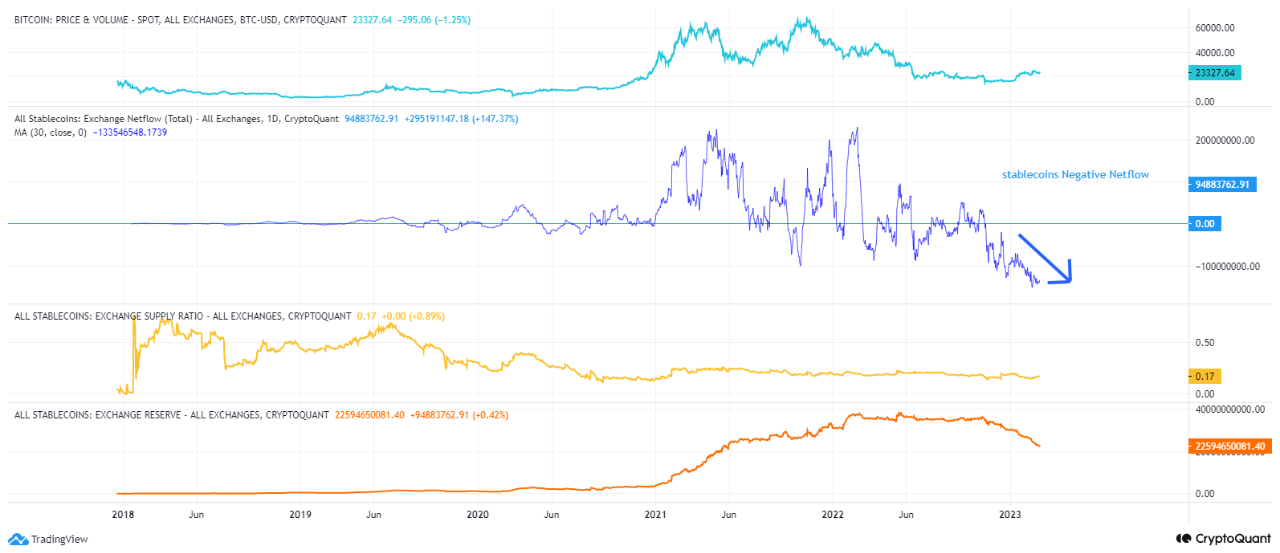
The cryptocurrency market faces increasing pressure due to a declining risk appetite among investors. This cautious sentiment is negatively impacting the prices of digital currencies.
In recent days, cryptocurrencies have experienced a notable decline, with their values dropping significantly, reflecting investors' concerns over global economic volatility. This downturn comes at a sensitive time, as many investors are looking to reduce risks in their investment portfolios.
Details of the Event
According to reports, the value of Bitcoin, the most well-known digital currency, has fallen to levels not seen in several months, raising concerns about the future of the market. Other currencies such as Ethereum and Ripple have also been affected, experiencing significant declines in their values.
Analyses indicate that this decline is attributed to several factors, including geopolitical tensions, rising interest rates, and increasing regulatory pressures on the digital currency market in many countries. These combined factors have led to a decrease in market confidence, prompting investors to take more cautious steps.
Background & Context
The cryptocurrency market has seen significant growth in recent years, attracting massive investments from individuals and companies. However, this growth has been accompanied by high volatility, making the market susceptible to risks. Previously, cryptocurrencies were considered a safe haven for investors during times of crisis, but current conditions have changed.
Historically, there have been similar periods that witnessed a decline in risk appetite, which affected the prices of digital currencies. For example, in 2018, the market experienced a significant crash after a period of boom, leading to many investors losing their money.
Impact & Consequences
The consequences of the declining risk appetite could be substantial, potentially leading to further price drops, which raises concerns among investors. Additionally, this downturn may impact innovation and development in the financial technology sector, as companies may hesitate to invest in new projects.
Moreover, the decline in confidence in the cryptocurrency market may lead to increased regulatory pressures, as governments seek to protect investors from potential risks. This could result in changes to laws and policies related to digital currencies, affecting how the market operates in the future.
Regional Significance
In the Arab region, the decline in the cryptocurrency market may have noticeable effects, especially in countries that have seen an increase in the use of digital currencies. Many Arab investors have been affected by this downturn, which could lead to reduced investments in this sector.
Countries aiming to develop infrastructure for digital currencies may face new challenges, as investors may be hesitant to enter the market under current conditions. This could impact economic development plans in the region, where digital currencies are considered part of the digital transformation that many countries aim to achieve.
In conclusion, the cryptocurrency market remains in a state of uncertainty, requiring investors to make informed decisions under current conditions. The declining risk appetite may signal larger changes in the market, necessitating close monitoring of developments.