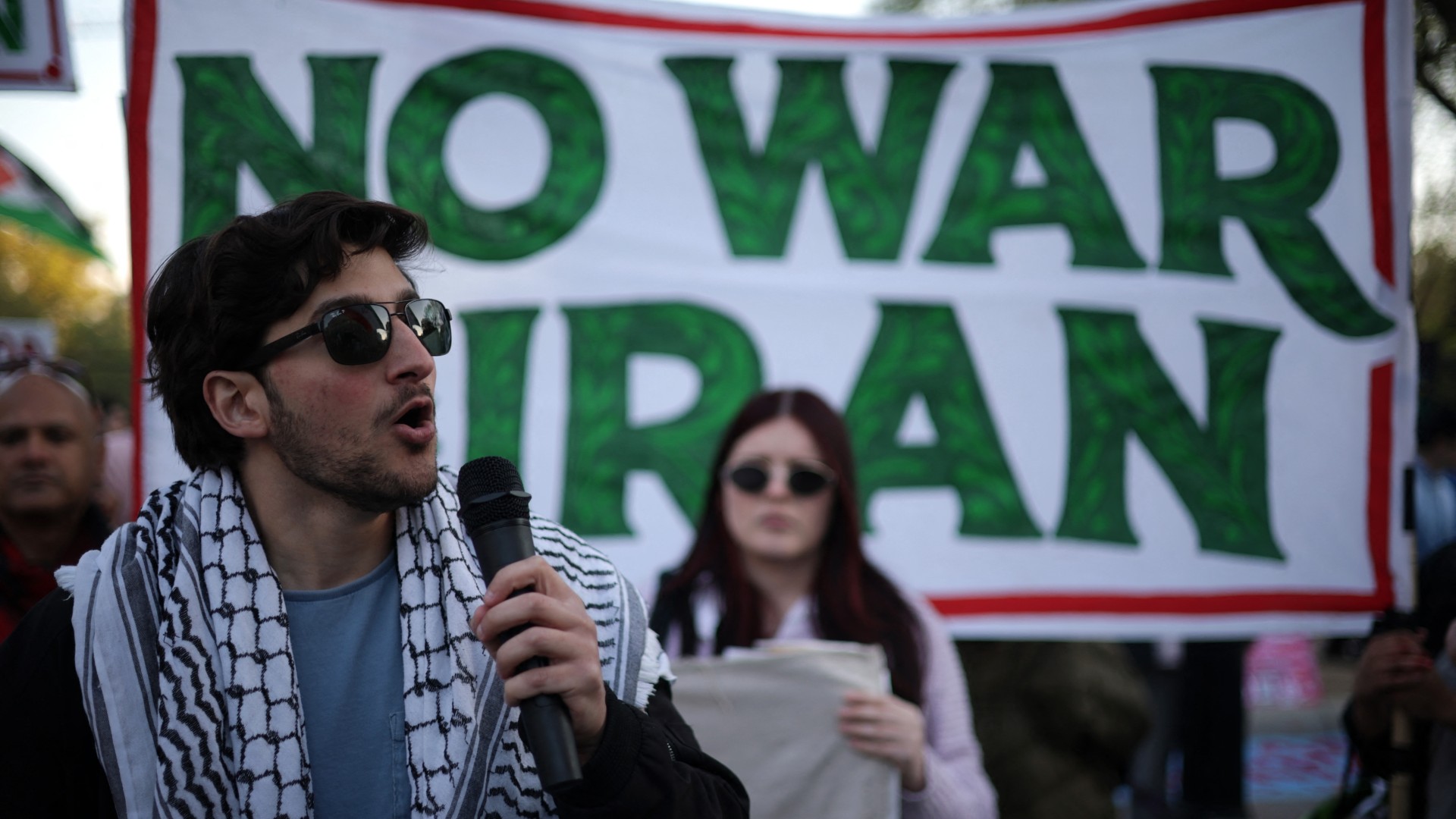
The tensions within the Iranian American community continue amid a fragile ceasefire between the United States and Iran, leading to sharp divisions due to the war. These divisions are prominently displayed in family discussions, where opinions about Iran's future vary significantly.
Recent polls indicate a clear generational gap in perspectives regarding the war. A survey conducted by the Public Affairs Alliance of Iranian Americans in March 2026 revealed that individuals aged 18 to 34 are less likely to support U.S. and Israeli strikes and favor opposition figures seeking political change in Iran.
Generational Perspectives on War
Research suggests that young Iranian Americans are more inclined towards diplomatic engagement, including easing sanctions rather than pursuing regime change, expressing greater concern about civilian casualties in Iran. Rey Gondo, a young Iranian American from Michigan, describes how growing up among Iranian women shaped his understanding of the Iranian regime as oppressive, particularly towards women.
Rey states, "I lived with my grandmother when I was young, and she taught me that it's easy to be loud and wrong." These personal experiences reflect how young Iranian Americans face challenges in communicating with their families about sensitive topics such as war.
Background & Context
Since the Iranian Revolution in 1979, the Iranian American community has undergone significant transformations. These changes are linked to the experiences of different generations, with older individuals viewing U.S. intervention as the only solution to rid the country of the current regime, while the youth perceive this intervention as a threat to their homeland.
This generational gap is also influenced by media, where television channels like Manoto and Iran International play a significant role in shaping the opinions of the older generation, while the youth tend to exhibit greater skepticism towards the information they receive.
Impact & Consequences
Research shows that these divisions affect how the Iranian American community responds to current events. While the older generation believes that external intervention is the solution, the youth feel this could lead to catastrophic outcomes, such as the destruction of the country. Manijeh Moradian, a professor of Women's Studies, notes that the frustration stemming from the violent repression of popular movements in Iran since 2022 has contributed to a heightened sense of despair.
This despair may lead some individuals to accept external intervention as an option, representing a troubling shift in thinking. Additionally, young Iranian Americans who grew up during the solidarity movement with Palestine may struggle to view Israel as a savior for their people.
Regional Significance
The implications of these generational divides extend beyond personal beliefs and into the realm of international relations. As the Iranian American community grapples with differing views, their collective voice could influence U.S. foreign policy towards Iran. Understanding these dynamics is crucial for policymakers seeking to engage with the community effectively.
In conclusion, the generational divide within the Iranian American community highlights the complexities of cultural and political identities in the context of international conflicts. Bridging these gaps will require open dialogue and understanding among the different age groups.