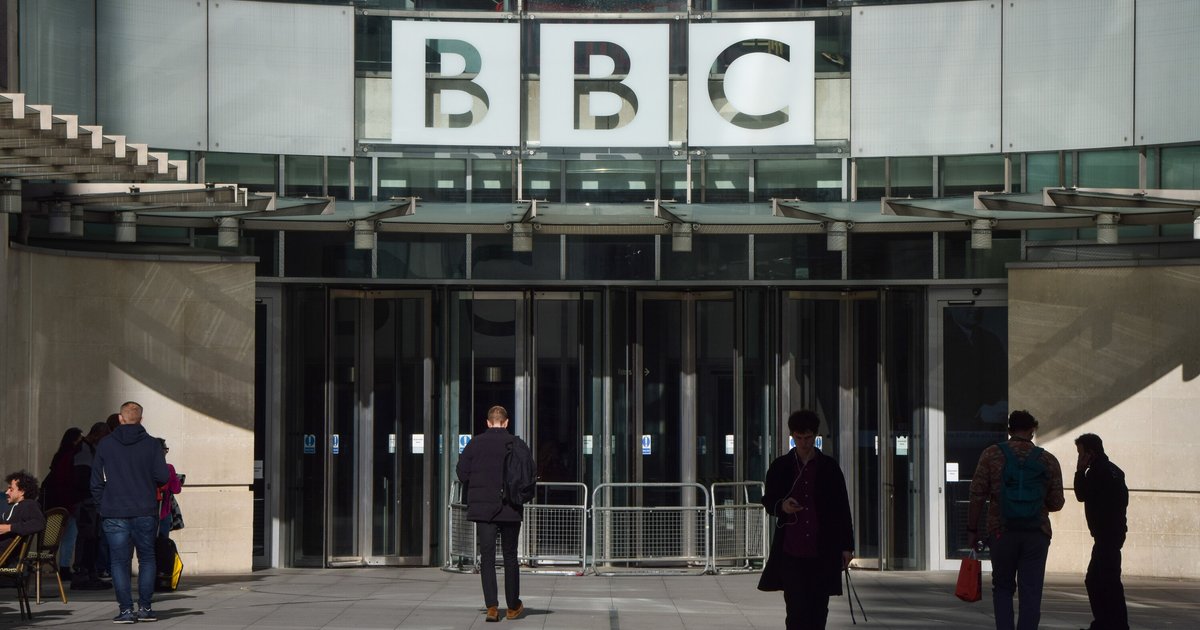
In a controversial statement, Fiona Crack, the executive director of BBC Global News, asserted that BBC Arabic is the "only voice in the region" that conveys the Israeli perspective. She pointed out that the station has distinguished itself by covering stories and events that have not been addressed by media outlets owned by Gulf states, which has sparked mixed reactions from critics.
Crack, speaking in an interview with The Guardian's media editor, Michael Savage, considered that BBC Arabic plays a vital role in providing diverse viewpoints on Israeli and Arab issues. She emphasized that the service aims to deliver objective and comprehensive coverage, despite the criticisms it faces from certain circles.
Details of the Event
Crack's statements come at a sensitive time, as pressures on global media to provide balanced coverage of events in the Middle East are increasing. Many critics have expressed dissatisfaction with BBC Arabic's coverage, considering it may be biased or insufficient at times. However, Crack defended the service, indicating that there are important stories related to the Israeli-Palestinian conflict that have not been adequately covered by other media.
She also clarified that BBC Arabic seeks to provide coverage that transcends traditional boundaries, making it unique in the Arab media landscape. She affirmed that the station focuses on delivering accurate and reliable information, which enhances its credibility in the eyes of the public.
Background & Context
Founded in 2005, BBC Arabic has since become one of the leading news sources in the Arab world. The service aims to provide comprehensive coverage of current events, focusing on presenting multiple perspectives. With rising tensions in the region, the need for objective coverage has become more crucial than ever.
In recent years, Arab media has faced criticism for its bias or inability to cover events comprehensively. In this context, BBC Arabic strives to distinguish itself by offering coverage characterized by objectivity and transparency, making it a preferred choice for many followers.
Impact & Consequences
The implications of Crack's statements extend beyond merely defending BBC Arabic; they also reflect the challenges media face in providing balanced coverage of events. As political and social divisions in the region increase, it becomes essential to have media platforms capable of presenting multiple viewpoints.
Furthermore, these statements may affect how the Arab audience perceives BBC Arabic, potentially increasing interest in its coverage of Israeli events, thereby enhancing its follower base. However, ongoing criticisms may pose a challenge to its efforts in gaining public trust.
Regional Significance
BBC Arabic is considered one of the media channels playing a significant role in shaping Arab public opinion. As tensions in the region rise, it becomes imperative for media to provide objective and comprehensive coverage that aids in better understanding of events.
If BBC Arabic can continue to offer balanced coverage, it may contribute to fostering dialogue among different cultures, helping to reduce tensions and enhance mutual understanding. Under the current circumstances, this matter becomes more important than ever.
In conclusion, BBC Arabic remains under scrutiny, as the public looks forward to seeing how it will address future challenges in providing objective coverage of events. Its ability to respond to these challenges will determine its future in the Arab media landscape.