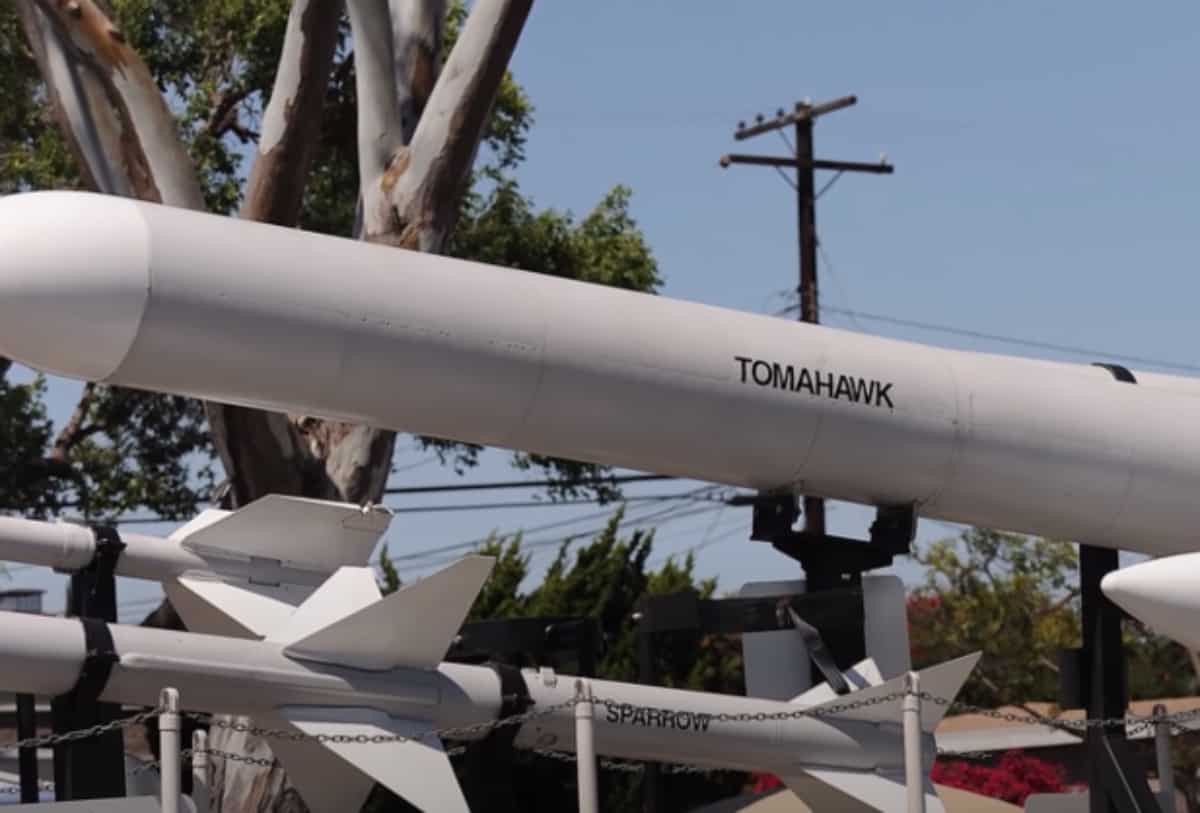
A Japanese order for approximately 400 Tomahawk missiles from the United States is facing significant delays. According to Bloomberg News, the reason for these delays is the pressures arising from the US-Israeli conflict with Iran, which has significantly affected the available stock of these missiles.
Reports indicate that Washington has informed Tokyo of the disruption in the delivery of this order, which was scheduled to arrive by March 2028. Although additional details regarding this delay have not been disclosed, the current situation reflects the increasing tensions in the region and their impact on military relations between countries.
Details of the Event
Tomahawk missiles are considered strategic weapons used by the United States in its military operations, known for their high accuracy and ability to strike distant targets. As tensions in the Middle East escalate, particularly with Iran, there is increasing pressure on US military stocks, leading to a reassessment of priorities in arms deliveries.
Japan, as part of its defense strategy, seeks to enhance its military capabilities by acquiring these missiles, which are deemed essential for addressing potential threats in the region. However, the current delay may affect Japan's defense plans and increase its concerns regarding regional security.
Background & Context
These developments come at a time when the Middle East is witnessing rising tensions, especially following the escalation of military actions between Israel and Hamas, in addition to ongoing tensions with Iran. These events reflect a state of instability in the region, increasing the need for countries to bolster their military capabilities.
Historically, Japan has relied on the United States to secure its defense needs, but with the growing threats in the region, Tokyo has begun to explore options to independently enhance its military capabilities. However, reliance on American weapons may place it in a sensitive position under the current circumstances.
Impact & Consequences
The delay in the delivery of Tomahawk missiles could have negative implications for Japan's defense strategy, as it may find itself unable to confront the increasing threats in the region. Additionally, this delay may raise questions about the United States' ability to meet the needs of its allies under the current conditions.
Moreover, this situation may reflect a weakness in military relations between the United States and its allies, which could affect future security cooperation. At the same time, it may increase pressure on the United States to expedite production and delivery processes to meet the needs of its allies.
Regional Significance
The developments in military relations between the United States and Japan are particularly significant for the Arab region, as they reflect the ongoing tensions in the Middle East and their impact on the defense strategies of countries. The delay in arms deliveries may exacerbate tensions in the region, potentially contributing to the escalation of existing conflicts.
Furthermore, Japan's enhancement of its military capabilities may encourage other countries in the region to take similar steps, increasing the arms race in the Middle East. Under these circumstances, it becomes essential for Arab countries to remain informed about global military developments and their impact on regional security.
In conclusion, the delay in the Japanese Tomahawk missile order reflects the challenges countries face amid increasing global tensions. All parties involved must work to enhance security cooperation and avoid escalation that could lead to catastrophic outcomes in the region.