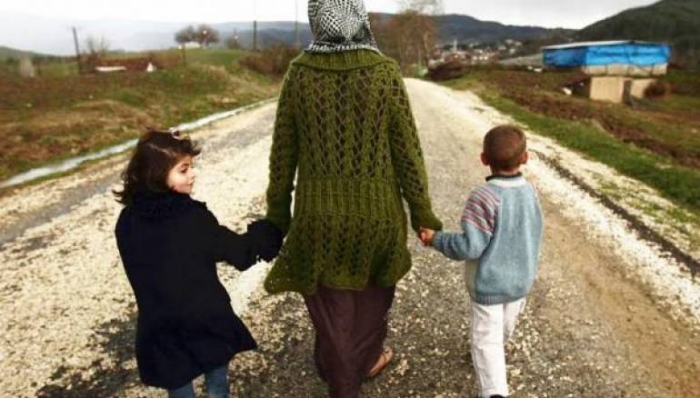
Approximately 100,000 Syrian women, married to men missing due to the civil war, are enduring ongoing suffering as they seek justice under discriminatory family laws that have persisted for decades. These laws impose strict restrictions on women's rights, exacerbating their hardships and complicating their social and economic situations.
Women are particularly affected in areas such as inheritance, guardianship over children, and their right to remarry. These issues raise significant concerns within Syrian society, where many families are struggling with the loss of their breadwinners, increasing the pressure on women and their children.
Details of the Situation
Reports indicate that women who have lost their husbands in the armed conflict face considerable difficulties in obtaining their legal rights. The current law does not recognize their inheritance rights, leaving them vulnerable to exploitation and poverty. Furthermore, the right to guardianship over children is often granted to male relatives, depriving mothers of their fundamental rights.
Many human rights organizations are striving to highlight these issues, viewing discrimination against women in family laws as a violation of human rights. Some campaigns have been launched to advocate for legal reforms that ensure women's rights to inheritance and guardianship.
Background & Context
The roots of discriminatory laws in Syria date back decades, designed within a social and cultural context that favors men over women. These laws have not changed significantly over the years, placing women in an unequal position within society.
Since the escalation of the conflict in Syria in 2011, the economic and social conditions for women have deteriorated, with many losing their husbands and becoming the sole providers for their families. This situation necessitates urgent intervention from the government and the international community to amend laws and provide necessary support for women.
Impact & Consequences
These issues significantly affect the stability of families and society as a whole. The absence of a breadwinner and increasing economic pressures lead to widespread poverty and unemployment among women. Additionally, the deprivation of their legal rights contributes to the rise of negative social phenomena such as domestic violence.
Failure to address these issues could exacerbate the humanitarian situation in Syria, where women need legal and social support to overcome the challenges they face. Moreover, these issues may impact reconstruction efforts in the country, as women represent an essential part of society.
Regional Significance
The issue of women's rights in Syria serves as a model reflecting the challenges faced by women in many Arab countries. Discriminatory laws are not limited to Syria alone but extend to other nations in the region, necessitating collective action to change these laws and achieve social justice.
Enhancing women's rights in the Arab world is a crucial step towards achieving sustainable development and social stability. There must be joint efforts from governments and civil society to ensure women's rights and provide a safe environment for them.