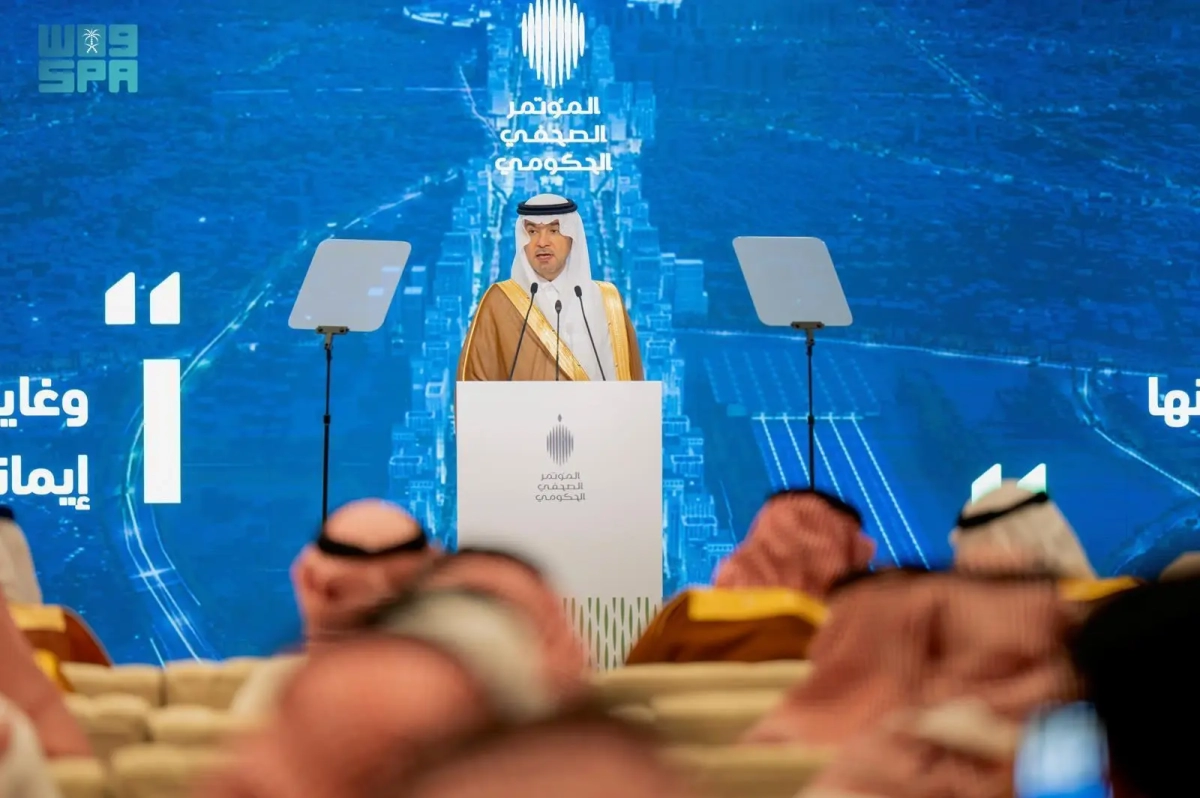
Saudi Arabia's Minister of Municipal and Rural Affairs, Majid Al-Hoqail, announced the deployment of over 22,000 employees to enhance services for pilgrims during this year's Hajj season. This announcement was made during a press conference held in Riyadh, where Al-Hoqail noted that the ministry, in collaboration with the municipalities of Mecca and Medina, has mobilized its municipal capabilities to improve the pilgrimage experience through integrated organizational and operational efforts.
Al-Hoqail confirmed that the Hajj system has seen significant progress in integration and preparedness among government entities in recent years, contributing to improved services for pilgrims and increased operational efficiency across all locations. He explained that municipal assets, including roads, tunnels, lighting, and parks, have been utilized to provide a safe and well-equipped environment for pilgrims.
Event Details
The ministry's efforts focus on four main pillars, with the first pillar being the safe movement of pilgrims through an advanced network of roads, bridges, tunnels, and drainage systems, which supports smooth traffic flow and crowd management at holy sites. The second pillar emphasizes cleanliness and environmental health around the clock through an operational system that includes over 88,000 cleaning units and 3,000 vehicles and equipment, ensuring a healthy and comfortable environment for pilgrims.
The third pillar involves conducting specialized field teams and daily inspections of food, water, facilities, and buildings, in addition to addressing negative practices such as random slaughtering and street vendors through alternative organizational solutions. The fourth pillar focuses on rapid response through an integrated digital operational system that manages field reports across 66 service centers, supported by more than 22,000 field employees, contributing to faster response times and improved service efficiency.
Background & Context
Historically, Saudi Arabia has witnessed remarkable development in organizing the Hajj season, continuously striving to enhance the services provided to pilgrims. This improvement aligns with the Kingdom's Vision 2030, which aims to bolster the Kingdom's status as a global destination for Hajj and Umrah. Significant infrastructure development in recent years has contributed to an increase in the number of pilgrims arriving from various parts of the world.
The Hajj services are a fundamental part of the Kingdom's cultural and religious identity, attracting millions of pilgrims annually. As the number of pilgrims increases, the need for improved services and a safe, comfortable environment for them grows.
Impact & Consequences
These efforts enhance the pilgrimage experience, increasing pilgrim satisfaction and improving the Kingdom's reputation as a Hajj destination. Furthermore, enhancing services reflects the Saudi government's commitment to providing a safe and healthy environment for pilgrims, boosting visitors' confidence in the Kingdom's ability to organize this significant event.
Moreover, these initiatives may attract more pilgrims in the coming years, contributing to the strengthening of the local economy and enhancing the Kingdom's position on the international stage.
Regional Significance
Saudi Arabia's efforts in organizing Hajj serve as a model for other Arab countries, which can benefit from the experiences and knowledge gained in this field. Additionally, improving the services provided to pilgrims reflects the commitment of Arab nations to promote religious tourism and provide a safe and comfortable environment for visitors.
In conclusion, these efforts represent an important step towards enhancing the pilgrimage experience, reflecting the Kingdom's commitment to providing the best services for pilgrims and strengthening its position as a global Hajj destination.