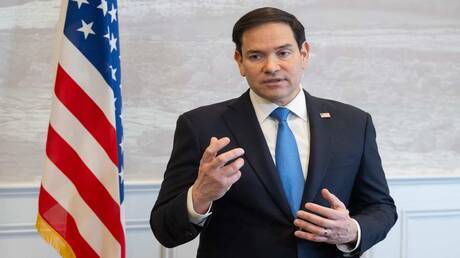
US Secretary of State Marco Rubio confirmed that the decision to deploy 5,000 US troops in Poland, following their withdrawal from Germany, is not a punishment but rather a component of an ongoing review of US military deployments in Europe. This announcement comes at a time when security tensions in the region are escalating, necessitating a reassessment of military strategies.
This move is part of the US response to increasing security challenges in Europe, particularly amid rising Russian aggressions in the area. The United States aims to bolster its military presence in Eastern Europe to ensure the stability of its NATO allies.
Details of the Deployment
The plan to deploy US forces in Poland includes enhancing military presence in Eastern European countries, with troops being relocated from their bases in Germany to Poland. This step is part of a broader strategy aimed at strengthening European defenses against potential threats.
Secretary Rubio clarified that this review is not new; it is an ongoing process aimed at improving the effectiveness of US forces in the region. He also emphasized that the United States is committed to maintaining the security of its NATO allies, and these steps reflect its steadfast commitment to European security.
Background & Context
Historically, relations between the United States and Russia have seen increasing tensions, especially following Russia's annexation of Crimea in 2014. Since then, the United States and its NATO allies have taken steps to enhance their military presence in Eastern Europe, including the deployment of additional forces.
Poland is one of the countries seeking to strengthen its military cooperation with the United States, hosting US military bases and being a strategic partner in NATO. These steps are part of Poland's efforts to enhance its national security amid rising threats from the east.
Impact & Consequences
These measures could lead to increased tensions between the United States and Russia, as Moscow views any enhancement of US military presence near its borders as a threat to its national security. Russia is expected to respond to these moves by increasing its military activity in the region, potentially escalating tensions further.
Moreover, these developments may affect relations among European countries, as some nations might feel concerned about the rising military tensions in the area. It is crucial for European nations to handle these developments with caution to ensure that the situation does not deteriorate.
Regional Significance
In the context of ongoing events, the tensions between the United States and Russia may impact the situation in the Middle East, as both countries seek to enhance their influence in the region. Any escalation in tensions could have indirect effects on Arab countries, particularly those with close ties to the United States.
Furthermore, these developments may influence Arab countries' strategies in addressing security challenges, as they may need to reassess their alliances and cooperation with major powers.
As the situation in Europe remains under close observation, security tensions continue to rise. It is important for Arab countries to closely monitor these developments, as they may affect their future security and political strategies.