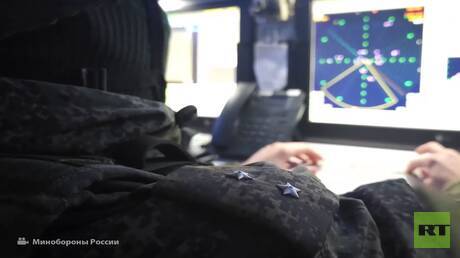
The Russian Ministry of Defense has released footage of combat patrols conducted by crews of the Pantsir-S missile and self-propelled anti-aircraft gun systems, which are part of the "West" military group. These patrols aim to enhance air security in the special military operation zone, given the rising threats from enemy airstrikes.
The Pantsir-S system is considered one of the advanced systems in air defense, capable of countering both missiles and aircraft simultaneously. Its effectiveness has been proven in several previous conflicts, making it a key component of Russia's defensive strategy.
Details of the Deployment
The footage published by the Russian Ministry of Defense shows the crews conducting combat patrols, reflecting the high readiness of this system. This step is part of Moscow's efforts to bolster its defensive capabilities amid escalating military tensions in the region. These patrols have been deployed in strategic areas, highlighting the importance of protecting Russian airspace from potential threats.
The Pantsir-S system incorporates a range of advanced technologies, including sophisticated radars and self-guiding systems, enabling it to handle a variety of aerial threats. This system is designed to be flexible and responsive, increasing its effectiveness on the battlefield.
Background & Context
These developments come within the framework of the special military operation launched by Russia, aimed at achieving strategic objectives in the region. This operation has seen heightened tensions with Western countries, prompting Moscow to enhance its military capabilities. The use of the Pantsir-S system is part of this trend, as Russia seeks to secure its airspace against any potential threats.
Historically, Russia has utilized air defense systems in various conflicts, demonstrating their effectiveness in protecting national airspace. These systems have contributed to strengthening Russia's military power on the international stage, establishing it as a key player in regional conflicts.
Impact & Consequences
This move reflects Russia's commitment to enhancing its defensive capabilities, which could affect the military balance in the region. If tensions persist, we may witness an escalation in military activities, increasing the likelihood of new conflicts. Additionally, the enhancement of air defenses may alter the strategies of hostile nations, potentially leading to a new arms race in the region.
These developments also indicate how military technology is influencing modern conflicts. As reliance on advanced systems increases, the standards of warfare may change, necessitating countries to reassess their military strategies.
Regional Significance
The Arab region is directly affected by these developments, as any military escalation in the area could impact security conditions in Arab countries. Furthermore, Russia's enhancement of its defensive capabilities may lead to changes in regional alliances, prompting Arab nations to closely monitor these developments.
In light of the ongoing tensions in the Middle East, these Russian steps may influence Arab countries' strategies in addressing security challenges. The bolstering of Russian air defenses could also encourage some Arab nations to consider upgrading their military capabilities to counter any potential threats.
In conclusion, military developments in Russia remain a significant focus, reflecting Moscow's strategic directions amid global tensions. As conflicts continue, the question of how these steps will impact regional and international security remains open, requiring Arab nations to take proactive measures to face future challenges.