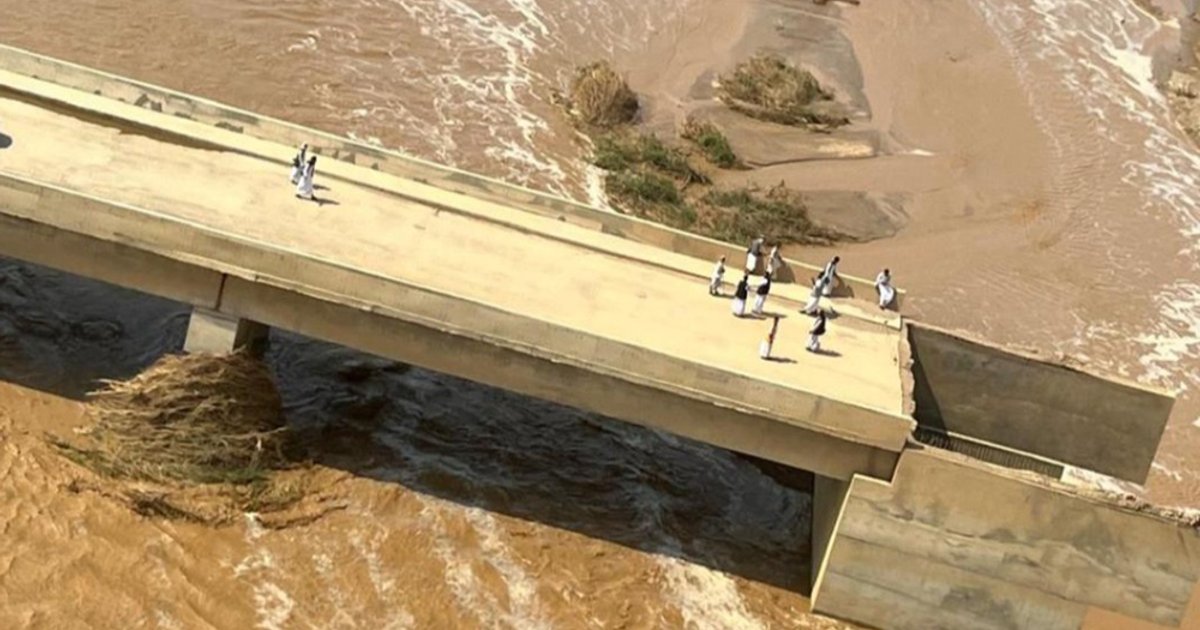
In an urgent move, Indonesian Deputy Minister of Public Works, Diana Kusumastuti, visited the Kedungrejo Dam in the Madion region, where a partial collapse has raised alarm among local residents. The visit, which took place on Wednesday, April 1, is part of the government's efforts to monitor the state of water infrastructure in the country, especially given the increasing challenges posed by climate change.
During the visit, Kusumastuti emphasized the importance of assessing the damage inflicted on the dam, noting that the government would take necessary measures to ensure the safety of residents and surrounding farms. It was also highlighted that enhancing water infrastructure is essential to face future challenges.
Event Details
The Kedungrejo Dam is one of the vital dams in the Madion area and serves as a primary source of water for agriculture and drinking. The partial collapse that occurred could significantly affect water supplies in the region, raising concerns about negative repercussions on local agriculture. Images circulated on social media have shown the extent of the damage to the dam, prompting local authorities to take swift action.
Reports have also indicated that some homes near the dam were damaged, leading to the evacuation of residents as a precautionary measure. The Indonesian government is working to comprehensively assess the situation, and specialized task forces have been formed to provide technical and logistical support.
Background & Context
Indonesia is among the countries facing significant challenges in water management, particularly in light of climate change affecting rainfall patterns and flooding. Historically, the country has experienced several similar incidents where floods and collapses have led to devastating losses of life and property. In recent years, the government has increased its investments in water infrastructure, but there remains an urgent need to improve maintenance and monitoring systems.
Dam collapses are not a new phenomenon in Indonesia, with several cases recorded in recent years, necessitating a review of policies related to water infrastructure. The government needs to develop effective strategies to adapt to climate change and avoid future disasters.
Impact & Consequences
The partial collapse of the Kedungrejo Dam may have far-reaching effects on the local community, particularly in the areas of agriculture and water supply. If the situation is not addressed promptly and effectively, it could lead to a severe water shortage, impacting agricultural production and increasing the suffering of local residents.
Moreover, this incident may highlight the urgent need to improve water resource management in Indonesia, which could lead to a reevaluation of government policies in this area. The government is expected to take urgent actions to ensure the safety of other dams across the country.
Regional Significance
Water management is a critical issue in many Arab countries, where the region faces similar challenges due to climate change and water scarcity. The Indonesian experiences in managing dams and water infrastructure could serve as an important lesson for Arab nations, which need to enhance their strategies to confront environmental challenges.
In light of increasing climate changes, Arab countries should learn from the experiences of other nations, including Indonesia, to develop effective water management systems and preserve water resources.