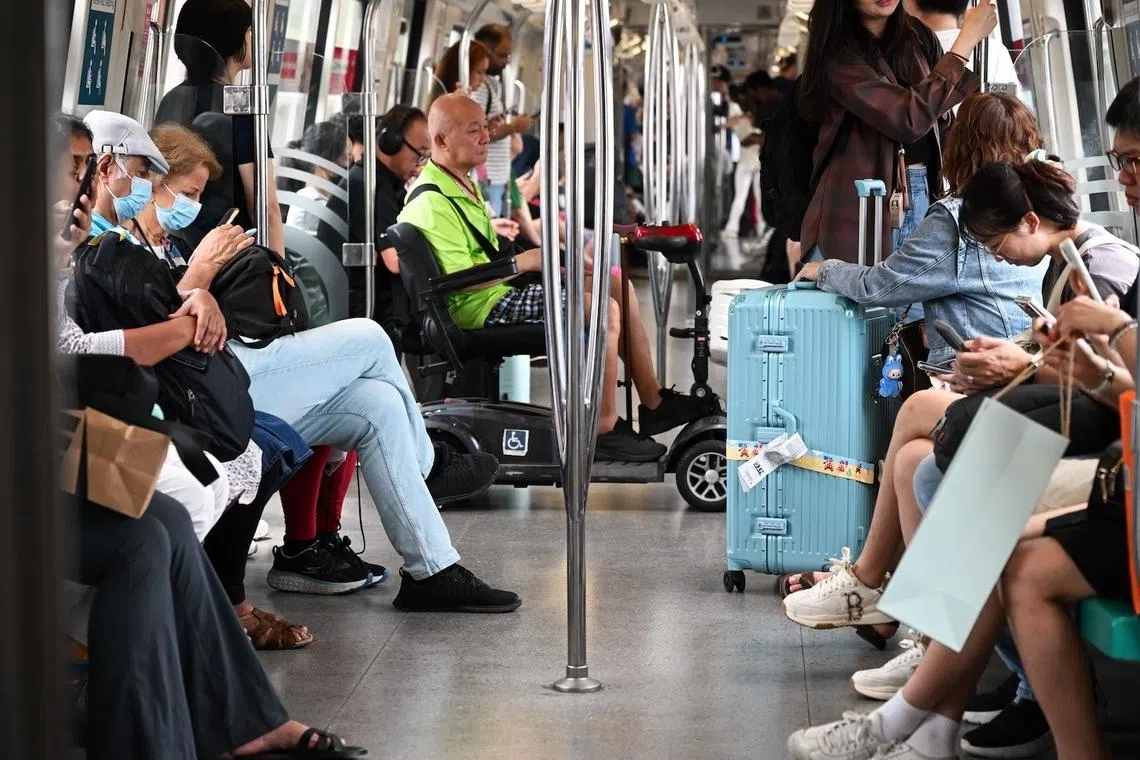
The experience of traveling by train is one of the most important modes of transport relied upon by millions of passengers daily. With the rising number of travelers, railway companies are moving towards designing train journeys that are free from accidents to ensure the safety and comfort of passengers. These efforts include the use of modern technologies and the application of strict standards in design and operation.
Railway companies are working to improve safety systems by utilizing advanced technologies such as fault detection systems and early warning systems. Additionally, crews are trained on how to handle emergency situations to ensure a quick and effective response. These measures aim to reduce accidents and enhance passenger trust.
Details of the Initiative
The efforts to design accident-free train journeys involve a series of essential steps. First, data related to previous accidents is analyzed to identify root causes. Second, new technologies are developed, such as autonomous driving systems that minimize human intervention, thereby reducing the chances of errors.
Moreover, the railway infrastructure is being upgraded by modernizing tracks and stations. This includes the use of more durable materials and modern construction techniques. There is also a focus on improving signaling and control systems to ensure safe movement.
Background & Context
Historically, railways have witnessed numerous tragic accidents that have affected the reputation of this mode of transport. In recent decades, investments in improving safety systems have significantly contributed to reducing accidents. However, challenges still face companies in this field, especially with the increasing number of passengers.
Railways are considered a primary means of transport in many countries, contributing to alleviating traffic congestion and reducing carbon emissions. Therefore, enhancing passenger safety is a top priority to ensure the sustainability of this sector.
Impact & Consequences
The efforts to design accident-free train journeys positively impact the economy. Increased confidence in public transport encourages more people to use it, leading to a reduced reliance on private cars. This, in turn, contributes to decreased traffic congestion and improved air quality.
Additionally, enhancing safety levels boosts the image of companies operating in this field, enabling them to attract more investments. In the face of fierce competition among railway companies, providing safe and reliable services is a significant competitive advantage.
Regional Significance
In the Arab region, railways are a vital means of transport, especially in countries striving to develop their infrastructure. Improving safety systems in railways can contribute to enhancing both domestic and foreign tourism, as visitors feel safer while traveling.
Furthermore, investment in this sector can create new job opportunities and bolster economic growth. Therefore, focusing on designing accident-free train journeys is a strategic step towards achieving sustainable development in the region.
The efforts to design accident-free train journeys represent an important step towards improving the train travel experience. By investing in technology and training, railway companies can ensure passenger safety and contribute to economic enhancement.