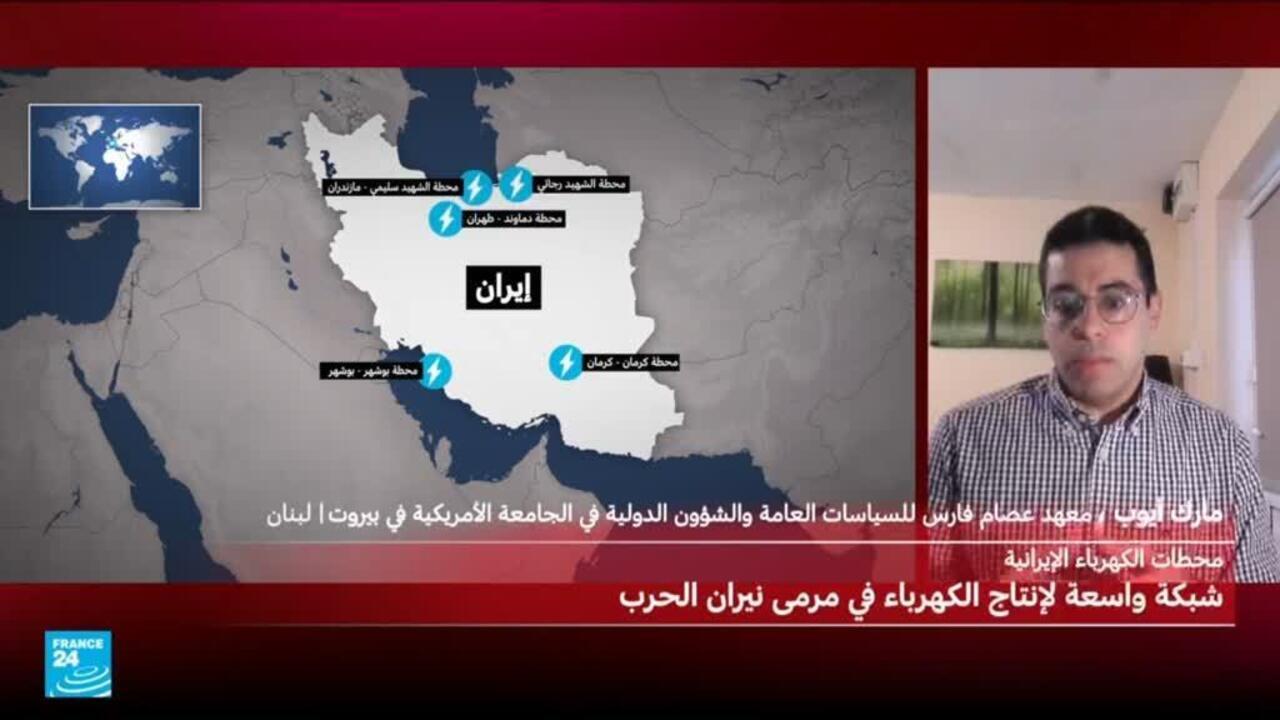
Electricity stations in Iran are vital infrastructure that directly affects citizens' lives and the economy. Their destruction would impact multiple sectors, raising concerns about the country's stability.
Iran is one of the countries that heavily relies on electricity stations to meet its energy needs. These stations not only provide the necessary power for homes and factories but also play a crucial role in operating essential services such as hospitals and schools. Therefore, any threat to these facilities could lead to serious repercussions on the daily lives of citizens.
Details of the Event
Reports indicate that electricity stations in Iran face multiple challenges, including economic sanctions and military threats. These factors could lead to a deterioration of these stations' conditions, increasing the likelihood of their destruction. If this occurs, there would be a direct impact on energy supplies, negatively affecting all aspects of life in the country.
Electricity stations in Iran are considered strategic assets, contributing to the generation of the electrical energy the country needs. As pressures on these stations increase, the question arises about how to protect these vital facilities from potential threats.
Background & Context
Historically, Iran has experienced numerous energy-related crises, starting from the Islamic Revolution in 1979 and the subsequent economic sanctions. These sanctions have significantly affected Iran's ability to develop its energy infrastructure, making electricity stations more vulnerable to crises. Additionally, regional and international tensions complicate the situation further.
In recent years, Iran has also witnessed an increase in energy demand due to population growth and industrial expansion. This rising demand necessitates the improvement and development of electricity stations, which may be challenging under the current circumstances.
Impact & Consequences
If electricity stations in Iran were to be destroyed, the impact would be widespread. Economic sectors would be significantly affected, as factories would cease operations, leading to job losses and increased unemployment rates. Essential services such as healthcare would also be impacted, potentially exacerbating humanitarian conditions in the country.
Moreover, the destruction of electricity stations could worsen social and political crises in Iran. Public discontent may rise due to power outages, leading to protests and demonstrations against the government.
Regional Significance
Iran is a key player in the region, and any internal crisis could affect neighboring countries. If conditions in Iran deteriorate due to the destruction of electricity stations, refugees may flow into neighboring nations, increasing pressure on those countries. Furthermore, any military escalation could impact the stability of the region as a whole.
The relationships between Iran and other Arab nations are directly affected by internal crises. Therefore, maintaining the stability of electricity stations in Iran is crucial not only for the country but for the entire region.