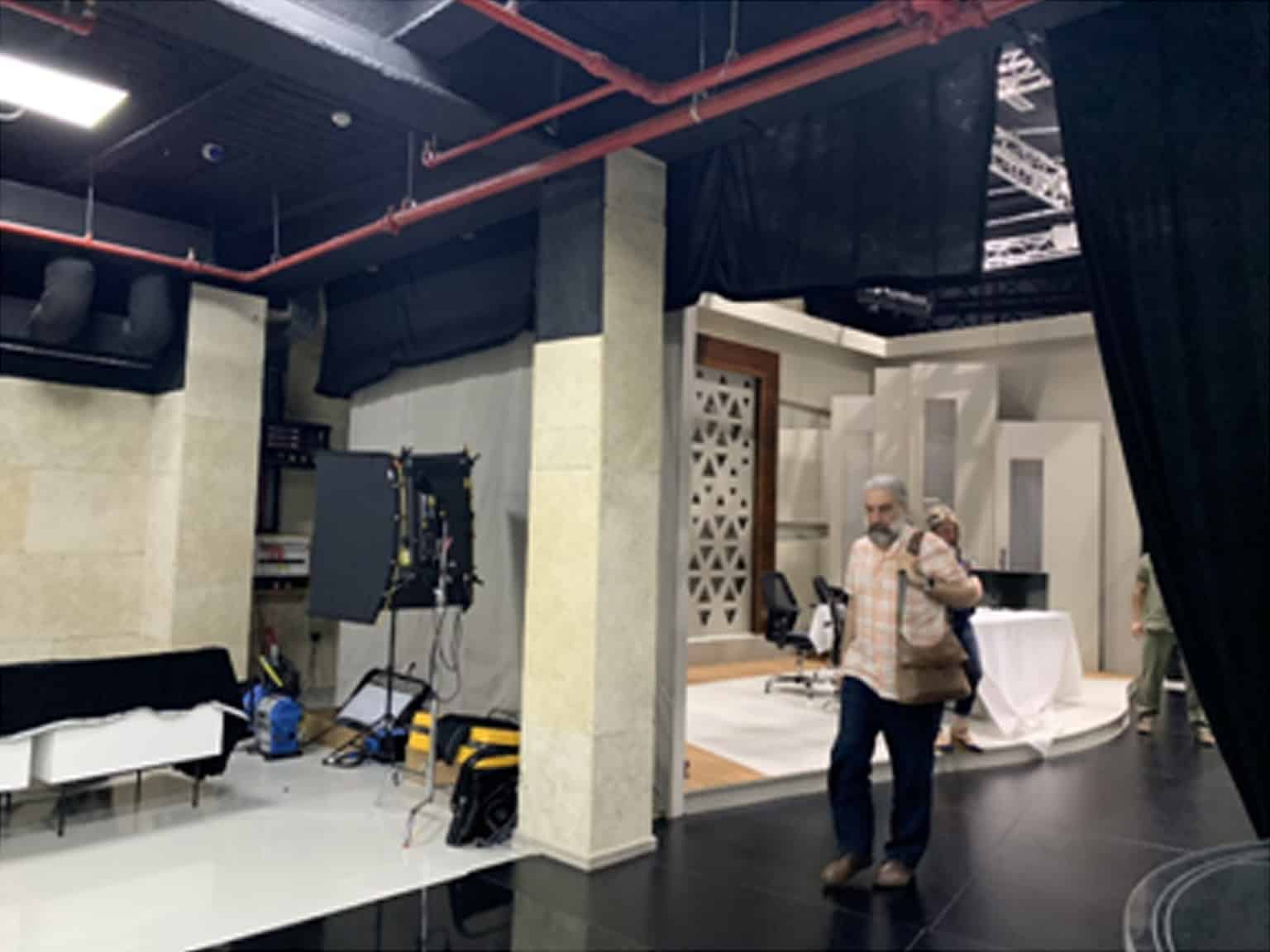
The office of Al-Arabi Channel in the Iranian capital, Tehran, was attacked, believed to be the result of cooperation between the United States and Israel, on the morning of the 29th of this month. The attack caused significant damage to the headquarters, raising questions about the strategic objectives behind this operation.
The attack, details of which have not been fully disclosed yet, comes at a sensitive time when the region is witnessing increasing tensions between Iran on one side and the United States and its allies on the other. The Al-Arabi Channel's office in Tehran is considered one of the important media centers covering events in the region, which increases the significance of this attack.
Details of the Incident
According to local sources, the attack targeted the main headquarters of the channel, leading to the destruction of a large part of the equipment and devices used for broadcasting. Injuries among the office staff have also been reported, reflecting the seriousness of the situation. It is worth noting that Al-Arabi Channel is known for its coverage of political and social events in the Arab world and has always been in the crosshairs of criticism from some governments.
The attack occurs in the context of escalating tensions between Iran and the United States, with Tehran accusing Washington of inciting violence in the region. The channel has previously taken a critical stance towards American and Israeli policies, making it a potential target for such operations.
Background & Context
Historically, relations between Iran and the United States have been marked by ongoing tensions since the Islamic Revolution in 1979, when diplomatic relations between the two countries were severed. Since then, the United States has taken several steps against Iran, including imposing economic and military sanctions. In recent years, these tensions have significantly increased, especially after the United States withdrew from the Iranian nuclear agreement in 2018.
On the other hand, Israel seeks to counter the growing Iranian influence in the region, viewing Iran as a threat to its national security. In recent years, there have been several Israeli military operations against Iranian targets in Syria, reflecting the Israeli strategy in addressing potential threats.
Impact & Consequences
The attack on Al-Arabi Channel's office could have far-reaching implications for press freedom in the region. Such operations may lead to a decline in trust in the media and increase journalists' fears of being subjected to assaults. Additionally, this attack may provoke angry reactions from international media organizations, potentially leading to pressure on the concerned governments.
Furthermore, the attack may affect relations between Iran and Western countries, as it could be seen as an additional escalation in the ongoing conflict. Iran may take retaliatory steps, whether on a military or diplomatic level, which could lead to further escalation in the region.
Regional Significance
In the Arab context, this attack is considered part of the broader conflict between regional and international powers. This incident may raise concerns in Arab countries that are experiencing internal and external tensions. Moreover, press freedom in the Arab world may be increasingly threatened, especially in light of the rising assaults on journalists.
In conclusion, the attack on Al-Arabi Channel's office in Tehran demonstrates how political conflicts directly affect media freedom, necessitating a serious stand from the international community to protect journalists' rights and freedom of expression in the region.