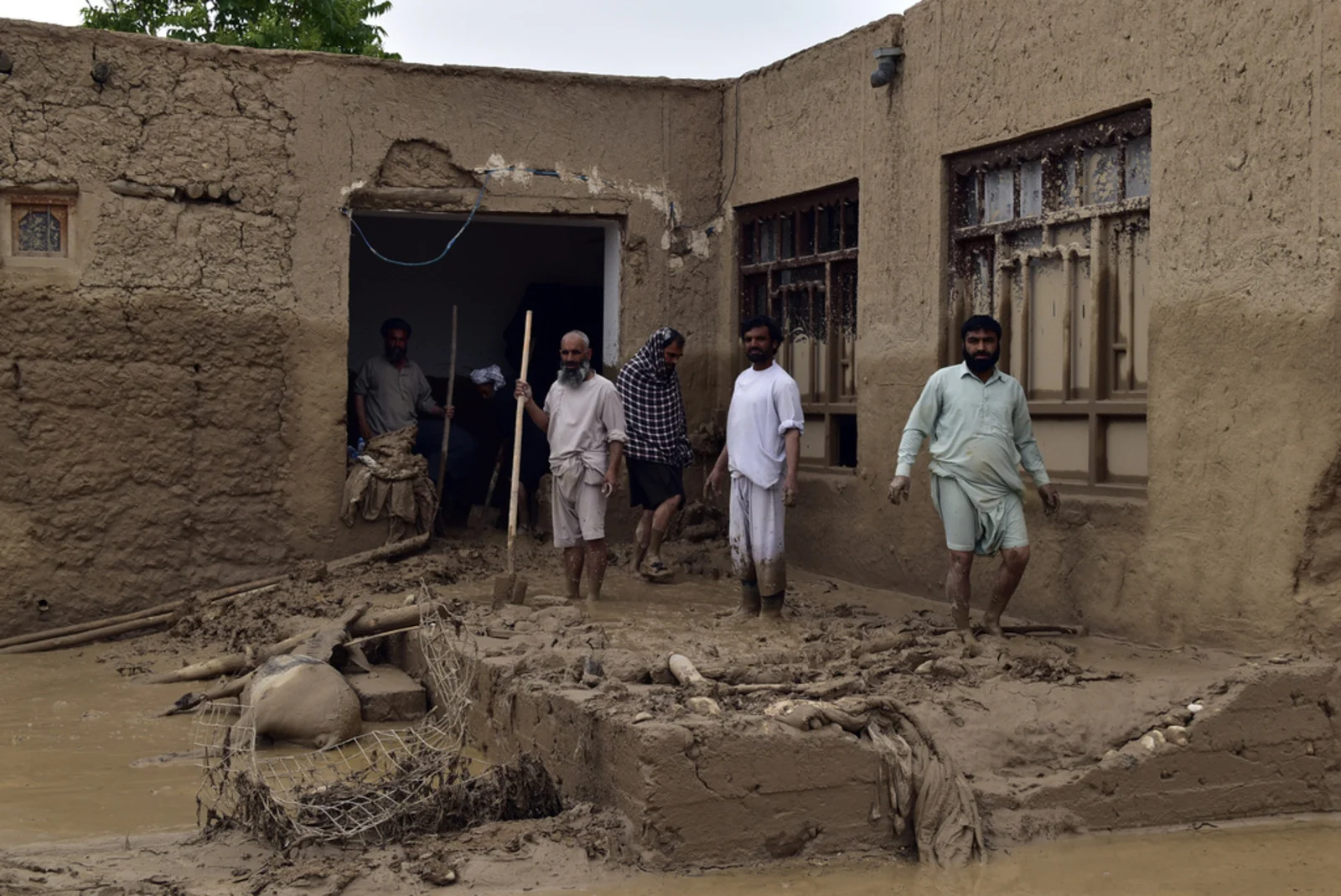
The devastating floods that struck Afghanistan due to heavy rainfall have led to the death of 22 people and injured 32 others, according to the National Disaster Management Authority. The incident occurred over the past two days, with the most significant damage reported in the central and eastern regions of Afghanistan, including the provinces of Parwan, Maidan Wardak, Daikundi, and Logar.
The authority noted that the floods also resulted in the destruction of 241 homes across 13 provinces, exacerbating the suffering of residents in the severely affected rural and mountainous areas. Unstable weather conditions continue in some regions, increasing the risk of further flooding.
Details of the Incident
In statements from a source within the National Disaster Management Authority, it was confirmed that most of the fatalities and injuries were due to building collapses caused by sudden flooding. Officials have warned that the situation remains unstable, with forecasts predicting additional rainfall in the coming days.
Afghanistan is one of the countries most vulnerable to natural disasters, classified by the United Nations as highly susceptible to climate change. The lack of international aid, which has been the backbone of the country’s economy, has worsened humanitarian conditions since the Taliban took power in 2021.
Background & Context
Historically, Afghanistan has suffered from numerous natural disasters, including earthquakes, floods, and droughts. A 2025 report from the United Nations Development Programme indicated that earthquakes, floods, and droughts had destroyed 8,000 homes and significantly impacted public services, increasing pressure on the government and society.
Concerns are growing regarding the impact of climate change on Afghanistan, with studies indicating that the country faces increasing challenges in dealing with natural disasters. The recent floods have heightened worries about the government's capacity to respond to these crises.
Impact & Consequences
The recent floods serve as a stark reminder of the fragility of the situation in Afghanistan, where residents are suffering from the effects of poverty and resource shortages. As the number of casualties rises, these disasters are expected to exacerbate humanitarian conditions, necessitating urgent responses from the international community.
Natural disasters in Afghanistan require a coordinated response from the government and humanitarian organizations, which should include long-term plans for climate change adaptation and infrastructure improvement.
Regional Significance
The floods in Afghanistan illustrate how natural disasters do not recognize borders, prompting Arab nations to consider how to enhance regional cooperation in disaster management. Additionally, the humanitarian crises in Afghanistan may affect regional security, necessitating support and assistance from Arab countries.
In conclusion, the recent floods in Afghanistan represent a call to reflect on how to strengthen responses to natural disasters, not only in Afghanistan but across the region. There must be joint efforts to address the challenges posed by climate change and natural disasters.