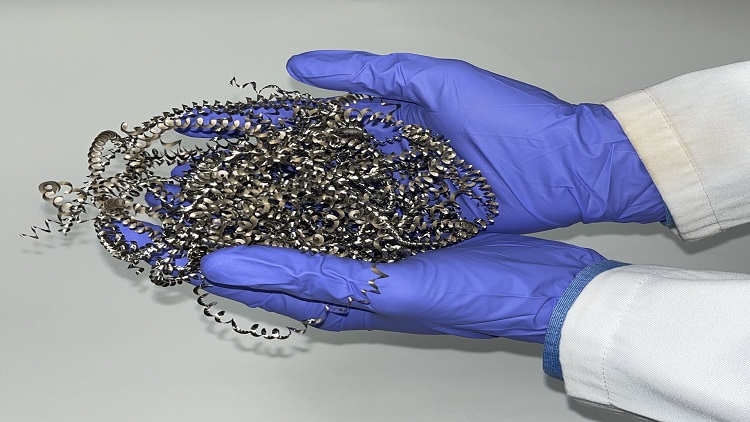
In an innovative step towards enhancing alternative energy sources, researchers at the Indonesian Center for Catalysis Research, part of the National Research and Innovation Agency, announced the development of carbon nanocatalysts using battery waste. This research aims to produce hydrogen gas from water through a process known as water electrolysis, contributing to the provision of an environmentally friendly alternative fuel.
Researcher Indri Padriya Adelina explained that the carbon extracted from battery waste possesses unique properties, allowing it to be modified into a highly efficient electrical conductor, making it effective in the electrolysis process for hydrogen production. She emphasized that this innovation represents a significant step towards achieving sustainability in the energy sector.
Event Details
In her statement, Indri confirmed that the carbon extracted from old batteries contains materials that can serve as raw materials for catalysts. By employing nanotechnology, these materials can be transformed into advanced catalysts with an effective nanostructure for various catalytic reactions.
She also pointed out that the carbon-based catalysts derived from battery waste have a large surface area and a nanoporous structure, enhancing electron transfer efficiency and accelerating hydrogen production. The green hydrogen produced from this process is considered a potential alternative to traditional biofuels.
Background & Context
This research is part of global efforts to transition towards renewable energy and reduce reliance on fossil fuels. In recent years, the need for alternative energy sources has increased due to climate change and environmental pressures. Nanotechnology has become an essential part of these efforts, enabling efficiency improvements and cost reductions.
It is noteworthy that over 90% of industries rely on catalysts, making the development of new catalysts vital across various fields such as medicine, textiles, and food. This research reflects the importance of innovation in achieving sustainable development goals.
Impact & Consequences
The results of this research are promising, as they could contribute to enhancing the circular economy in Indonesia. By utilizing battery waste, waste is reduced and transformed into valuable resources. Additionally, this innovation could open new horizons for local industries and enhance their competitiveness.
Furthermore, international collaboration in this research, including partnerships with universities and research centers abroad, reflects the importance of knowledge and experience exchange in the field of renewable energy. This collaboration can contribute to improving performance and increasing innovation in this sector.
Regional Significance
In light of the environmental challenges facing Arab countries, these innovations could serve as an inspiration for developing similar projects in the region. With the increasing reliance on renewable energy, Arab countries can benefit from technologies such as water electrolysis for producing green hydrogen, thereby enhancing their energy security.
In conclusion, this research represents an important step towards achieving sustainability in the energy sector and reflects the significance of innovation in addressing environmental challenges. The development of carbon nanocatalysts from battery waste could open new avenues towards a more sustainable future.