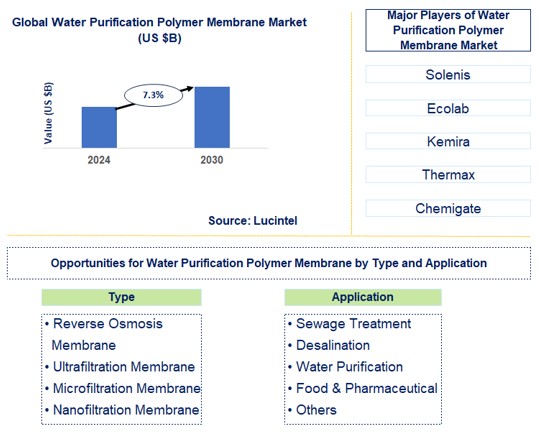
Researchers from the University of Bath in the UK have unveiled a new biopolymer membrane that can remove perfluorooctanoic acid, one of the most dangerous known pollutants, from water with an efficiency exceeding 94%. This innovation represents an advanced step in the field of water treatment, as the membrane can be reused after treating the contaminants it captures.
Perfluorooctanoic acid is part of a family of persistent pollutants that have been widely used in non-stick coatings and have been detected in water sources around the world. Exposure to high levels of this acid has been linked to serious health risks, including cancer, hormonal disorders, and immune system suppression, making it one of the most hazardous pollutants threatening human health and the environment.
Details of the Innovation
Methods for treating pollution from persistent chemicals are complex, as traditional methods like activated carbon or ion exchange resins are effective but require frequent replacement and complicated regeneration processes. The new polymer membrane consists of a network of nanofibers that are hundreds of times thinner than a human hair. When in contact with water, these fibers absorb moisture and swell, acting as a tight mesh that captures and retains pollutants.
According to Dr. Xiang Ding, a researcher at the Centre for Innovation in Sustainable Technologies at the University of Bath, the material's response upon contact with water was surprising, as the nanofibers reorganized their structure to become tighter, enhancing their ability to quickly capture persistent pollutants.
Background & Context
Water pollution by persistent chemicals poses a global challenge, as governments and environmental organizations seek effective solutions. Water pollution affects human health and ecosystems, threatening food and water security. Therefore, innovations like the new polymer membrane could be key to addressing these challenges.
Historically, there have been numerous attempts to address water pollution, but most have been costly and difficult to implement on a large scale. However, this new innovation may open new horizons in water treatment, contributing to improved water quality and environmental protection.
Impact & Consequences
This innovation paves the way for a new class of polymer membranes that could represent a practical, circular, and sustainable solution to combat pollution from persistent pollutants. If this technology is widely applied, it could lead to significant improvements in water treatment, positively impacting community health and the environment.
These results are an important step towards achieving sustainable development goals, particularly regarding clean water and sanitation. Additionally, improving water treatment technologies could help reduce the costs associated with pollution treatment, making it more feasible in developing countries.
Regional Significance
In the Arab region, where many countries suffer from water scarcity and pollution of their sources, this innovation could have a significant impact. Water pollution is an urgent issue in many Arab countries, necessitating the search for effective and sustainable solutions. This technology could help improve water quality and provide innovative solutions to environmental challenges.
In conclusion, this innovation represents an important step towards addressing one of the greatest environmental challenges of our time. The development of new technologies like the biopolymer membrane could contribute to improving water quality and protecting the environment, benefiting communities worldwide.