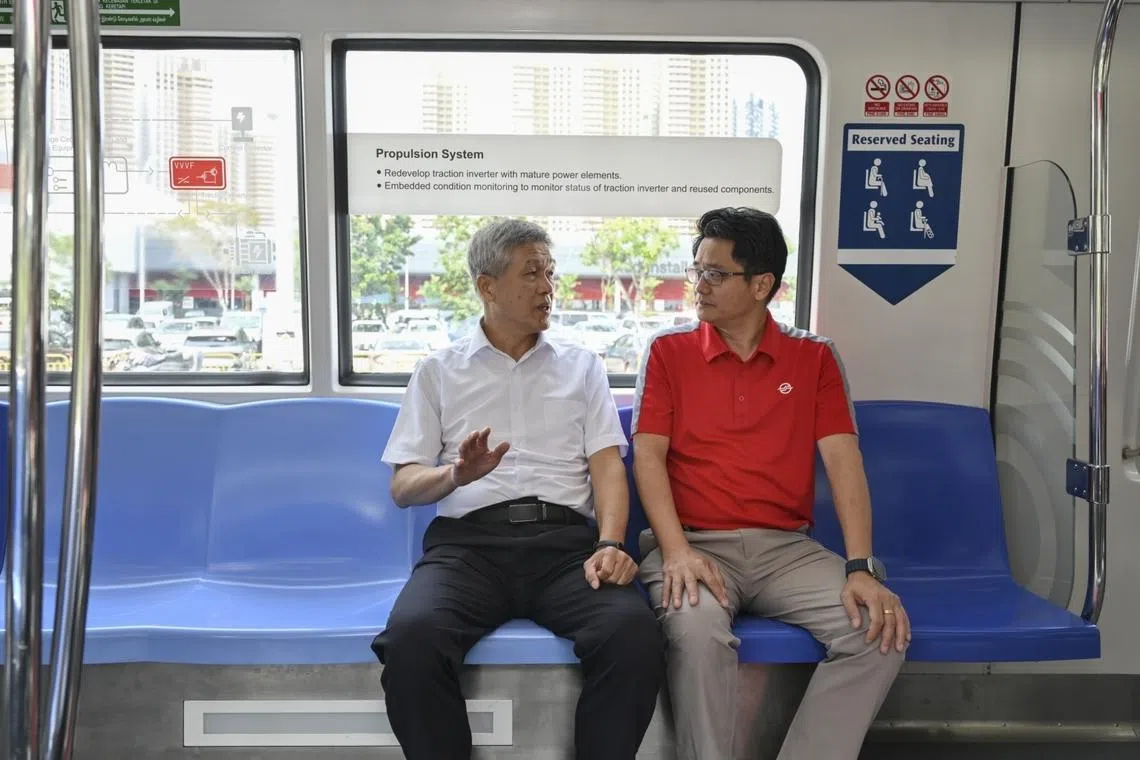
The significance of international cooperation in developing public transport systems is exemplified by the relationship that began between Singapore's MRT system (SMRT) and Taipei in 1990. Initially, this collaboration was limited to knowledge transfer from Singapore to Taipei, but over time, it has evolved into an alliance comprising six metro operators, reflecting the success of this cooperation in enhancing urban transport efficiency.
This alliance, which includes operators from several countries, aims to improve public transport services and exchange modern experiences and technologies. This collaboration is considered a model in the field of transport infrastructure development, as participants strive to achieve best practices in managing and operating metro systems.
Event Details
The relationship between SMRT and Taipei was established as the latter sought to develop its own metro system, with delegations from Taipei visiting Singapore to learn from its successful experience. This collaboration included the exchange of information and technologies, which helped Taipei launch an effective metro system that meets the needs of the city's residents.
As the years passed, this cooperation became more comprehensive, leading to the creation of an alliance that includes six metro operators from different countries. This alliance aims to enhance cooperation among countries in the field of public transport, facilitating the exchange of knowledge and experiences and contributing to the overall development of transport systems.
Background & Context
Historically, many major cities around the world have faced challenges in developing public transport systems, prompting them to seek innovative solutions. In this context, Singapore is considered one of the most successful models in transport management, having built an advanced metro network that meets the needs of its residents.
On the other hand, Taipei is a city with a high population density, making the development of an effective metro system essential. Therefore, it was natural for Taipei to turn to Singapore to benefit from its expertise in this field, leading to strengthened cooperation between the two countries.
Impact & Consequences
This cooperation between Singapore and Taipei serves as an example of how countries can benefit from each other's experiences in developing infrastructure. The success of this alliance reflects the importance of knowledge and experience exchange in achieving tangible improvements in transport systems.
Moreover, this collaboration opens new horizons for other countries wishing to enhance their transport systems, as they can leverage the successful experiences of other nations and apply them in their local contexts.
Regional Significance
In the Arab region, many major cities face similar challenges in developing public transport systems. These cities could benefit from the experiences of Singapore and Taipei in enhancing transport system efficiency, contributing to improved quality of life for citizens.
Furthermore, strengthening cooperation among Arab countries in this field could lead to knowledge and experience exchange, contributing to the development of integrated infrastructure that meets the needs of the population.
In conclusion, the cooperation between Singapore and Taipei serves as a model in the field of transport system development and reflects the importance of knowledge and experience exchange between countries to achieve tangible improvements in citizens' lives.