British Prime Minister Keir Starmer stated in remarks on Monday that resuming navigation in the Strait of Hormuz requires a comprehensive and applicable plan. These statements come at a time when the region is experiencing heightened tensions concerning maritime security, complicating the security landscape.
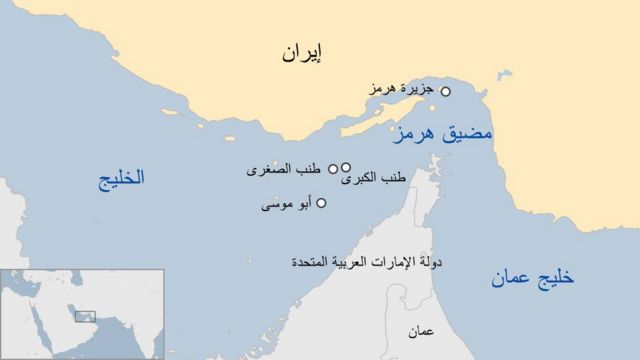
The Strait of Hormuz is one of the world's most critical waterways, through which approximately 20% of the world's total oil supply passes. The stability of this strait is directly linked to the global market and the national security of surrounding nations.
Details of the Event
Starmer's comments followed reports of increasing threats to shipping in the Strait of Hormuz due to unstable maritime activities from certain countries. The British Prime Minister considered that the key to reopening navigation depends on developing a comprehensive plan that addresses all influencing factors, ranging from military conditions to diplomatic cooperation among regional countries.
He also highlighted the need for collaboration with international allies to secure this vital corridor, warning that any reckless actions could worsen the situation and complicate matters in the territorial waters.
Background & Context
The Strait of Hormuz has held strategic importance for decades, witnessing multiple crises and tensions, particularly in relations between Iran, the United States, and Arab countries. In recent years, the strait has seen incidents related to attacks on oil tankers, prompting multiple nations to intensify their efforts to ensure safe navigation.
In 2019, the situation escalated significantly in the region, with blame directed at Iran for targeting oil tankers, leading countries like the United States to announce military presence to safeguard navigation. Therefore, Starmer's recent statements come amid a backdrop of these recurring crises.
Impact & Consequences
Opening the Strait of Hormuz has implications beyond the rarity of oil and gas; it affects the political and security relationships between major powers and the Middle East. Any rash actions from any party could lead to unforeseen escalation.
Moreover, reopening the strait would allow dozens of commercial and oil tankers to pass safely, thereby improving the stability of energy markets. On the other hand, failing to take measured steps could negatively impact oil prices, increasing the economic burdens on oil-importing countries.
Regional Significance
Developments in the Strait of Hormuz pose a direct threat to Arab national security, as the Gulf Arab states are among the most reliant on oil exports. Furthermore, any disruptions affecting security in this strait could diminish these countries' capacity to address internal and external challenges.
Therefore, calls for reopening the strait with a well-thought-out plan come at a critically important time, aiming to enhance cooperation among Arab nations and protect vital supply sources.
In conclusion, it seems that cautious and planned measures may contribute to enhancing maritime security in the Strait of Hormuz. However, the biggest challenge remains in executing these plans on the ground while maintaining regional stability and improving relations among the concerned countries.