Hopes for a new round of negotiations in Islamabad have dissipated as Iranian Foreign Minister Abbas Araqchi left the Pakistani capital after nearly 20 hours of talks with senior Pakistani officials.
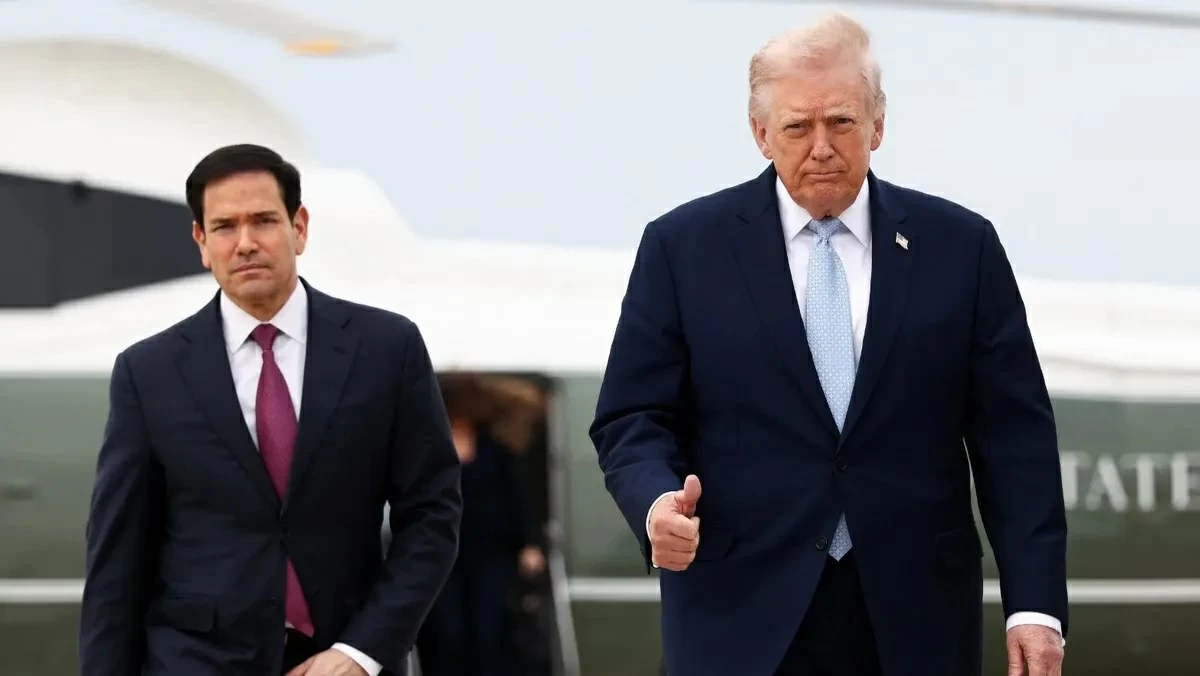
In a surprising move, U.S. President Donald Trump canceled the visit of envoys Steve Witkoff and Jared Kushner to Pakistan, which was intended for discussions with the Iranian side. Trump confirmed in a phone call with Fox News that he informed his team of this decision before their departure, stating: "No, you will not take an 18-hour trip to go there."
Details of the Event
Araqchi left Islamabad heading to the Omani capital Muscat, after discussions with Pakistani Prime Minister Shahbaz Sharif and Army Chief General Asim Munir. Despite the intensive talks, no tangible results were announced, with a Pakistani official indicating that there are issues that need resolution despite both sides' readiness for direct meetings.
In a statement from the Iranian Foreign Ministry, gratitude was expressed to Pakistan for its role as a mediator between Iran and the United States, but no details of the discussions were disclosed. Araqchi had previously confirmed that he did not intend to hold a direct meeting with the American envoys, complicating the situation further.
Background & Context
These developments come at a highly sensitive time, as both Iran and the United States seek to improve their strained relations. Pakistan had hoped to play an effective mediating role, but recent events indicate that the path to negotiations remains long.
Historically, Iranian-American relations have seen many fluctuations, with previous attempts at negotiations often ending without achieving tangible results. This time, the circumstances appear to be more complicated, especially with rising tensions in the region.
Impact & Consequences
The cancellation of the American envoys' visit reflects instability in international relations and may negatively impact peace efforts in the region. This development could also heighten tensions between Iran and the United States, potentially escalating crises in the Middle East.
If these dynamics persist, we may witness negative effects on the regional economy, along with worsening humanitarian crises in some neighboring countries. It is crucial for the involved parties to remain open to dialogue despite current challenges.
Regional Significance
These events are significant for the Arab region, as any escalation in Iranian-American relations could impact security and stability in Gulf countries. Arab nations are closely monitoring these developments, as they have direct implications for their foreign policies.
Ultimately, hope remains for the possibility of resuming dialogue between the two parties, but current challenges indicate that the path to achieving peace is still fraught with obstacles.