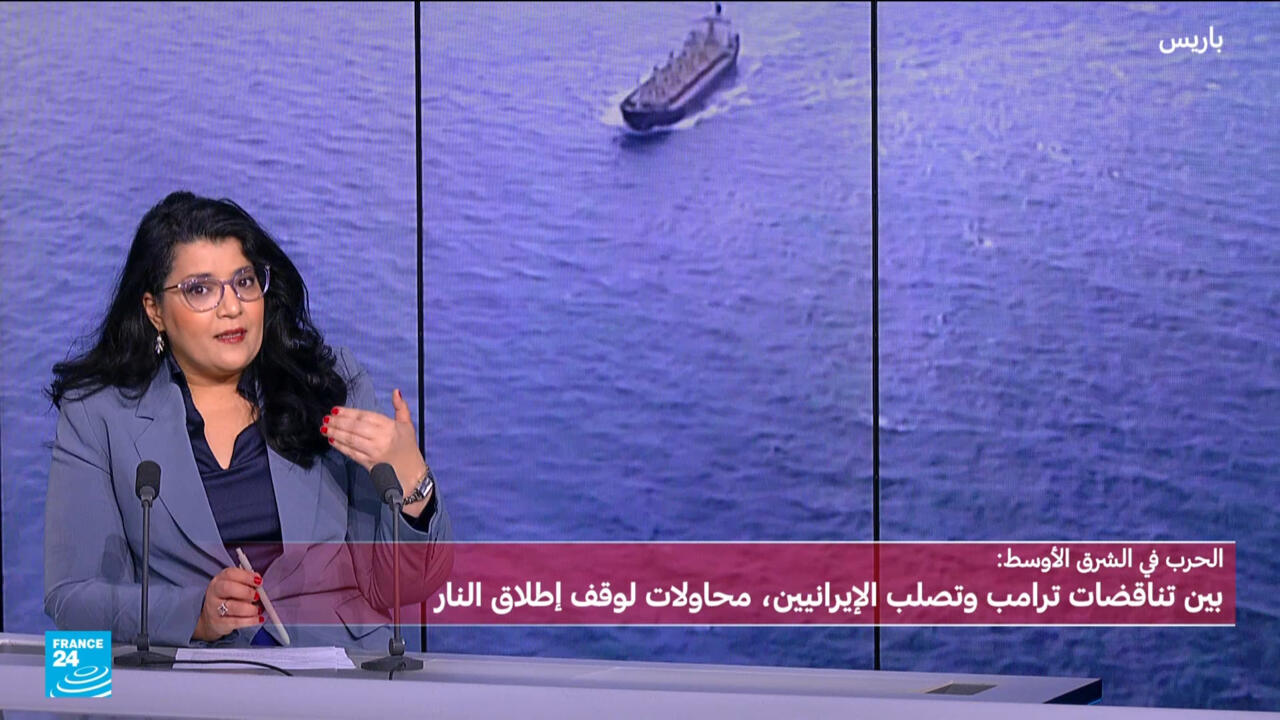
Diplomatic activities surrounding the Strait of Hormuz are increasing amid rising tensions in the region, with a new initiative emerging over the weekend aimed at supporting ceasefire efforts. The initiative, which combines efforts from China and Pakistan, has garnered support from several other nations, reflecting a heightened international interest in resolving the crisis.
At the same time, conflicting statements from U.S. President Donald Trump regarding the opening of the Strait of Hormuz and the situation in Iran complicate the landscape. These contradictory remarks come at a sensitive time when international parties are striving to find peaceful solutions to the escalating crisis.
Details of the Initiative
The China-Pakistan initiative includes calls for a ceasefire and negotiations, aiming to avoid potential military escalation. In this context, France has proposed a resolution to the United Nations Security Council urging diplomatic solutions to the crisis, reflecting the international community's desire to prevent conflict.
Conversely, Bahrain has introduced a resolution calling for the forceful opening of the Strait of Hormuz, citing Article 7 of the UN Charter. This approach highlights the division of opinions on how to handle the crisis, with some preferring peaceful solutions while others advocate for the use of force.
Background & Context
The Strait of Hormuz is one of the most crucial maritime passages in the world, through which approximately 20% of the world's oil passes. Historically, the strait has witnessed numerous tensions, particularly between Iran and Western nations. These tensions often impact oil prices and global markets.
The current crisis stems from the escalation of Iranian military activities in the region and Tehran's threats to close the strait if subjected to military pressure. This situation has prompted major powers to act swiftly to avoid unwanted escalation.
Impact & Consequences
If a swift resolution is not achieved, escalating tensions in the Strait of Hormuz could lead to severe consequences for the global economy, particularly in the energy sector. Rising oil prices could adversely affect the economies of consuming nations, increasing economic pressures.
Furthermore, ongoing tensions may deepen divisions among countries in the region, complicating peace efforts and raising the likelihood of armed conflict. It is crucial for the involved nations to collaborate in finding peaceful solutions that ensure regional stability.
Regional Significance
The Arab nations neighboring the Strait of Hormuz are among the most affected by the crisis, as many of them rely on oil exports. Any escalation in tensions could negatively impact their economies and increase instability.
Additionally, the situation in the Strait of Hormuz may influence relations between Arab states and Iran, further complicating the political landscape in the region. It is essential for Arab nations to make joint efforts to enhance security and stability.
The current diplomatic movement surrounding the Strait of Hormuz represents a significant opportunity to avoid potential military escalation. It requires serious international cooperation and strong political will from all parties involved.