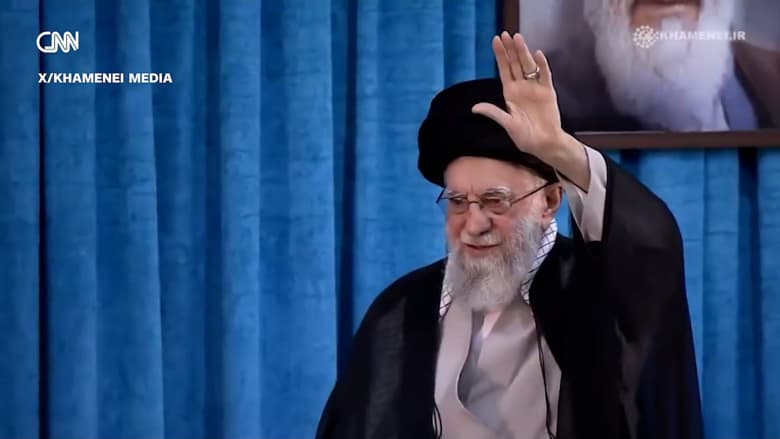
A diplomatic source confirmed to RIA Novosti that reports about the transfer of Iranian leader Mojtaba Khamenei to Russia are inaccurate, indicating that his health condition does not hinder his leadership duties.
These statements come at a sensitive time, as speculation about Khamenei's health has increased following media reports suggesting he was transferred to Russia for treatment. This news has raised widespread concern in political and media circles, given Khamenei's pivotal role in directing Iranian policies.
Details of the Event
In recent days, media outlets circulated news indicating that Khamenei, who holds the position of Supreme Leader of the Islamic Republic, had been transferred to Russia due to a deterioration in his health. However, the diplomatic source who spoke to RIA Novosti denied these reports, affirming that Khamenei continues to perform his daily tasks normally.
It is noteworthy that Khamenei has suffered from multiple health issues in recent years, raising questions about the continuity of his leadership. Nevertheless, it appears that these recent reports may be based on unreliable or misleading information.
Background & Context
Historically, the Supreme Leader in Iran has played a crucial role in directing the country's domestic and foreign policies. Since assuming power in 1989, Khamenei has faced numerous challenges, including economic crises and international sanctions. With increasing internal and external pressures, his presence in power has become more critical than ever.
In recent years, Iran has witnessed widespread popular protests due to deteriorating economic conditions, which has heightened the importance of leadership stability. Therefore, any reports regarding Khamenei's health could significantly impact the political landscape in the country.
Impact & Consequences
The denial of reports regarding Khamenei's transfer to Russia may help to calm the political situation in Iran, as the regime seeks to maintain its stability amid rising challenges. However, the ongoing rumors about the leader's health could lead to further anxiety among citizens and political analysts.
If rumors about Khamenei's health persist, they may affect confidence in Iranian leadership, potentially leading to negative repercussions for political and economic stability in the country. Additionally, any change in leadership could open the door to shifts in Iranian policies, both domestically and internationally.
Regional Significance
Iran is a key player in regional politics, and any changes in its leadership could directly affect neighboring Arab countries. The stability of Iran is crucial for many nations in the region, especially those facing similar challenges.
Should any changes occur in Iranian leadership, the political dynamics in the region may shift, impacting relations between Arab countries and Iran. Therefore, monitoring Khamenei's health and any political developments related to him remains of utmost importance.
In conclusion, the situation in Iran remains under observation, as the health of the Supreme Leader plays a pivotal role in the country's stability. The denial of reports regarding his transfer to Russia may contribute to calming the situation, but challenges remain.