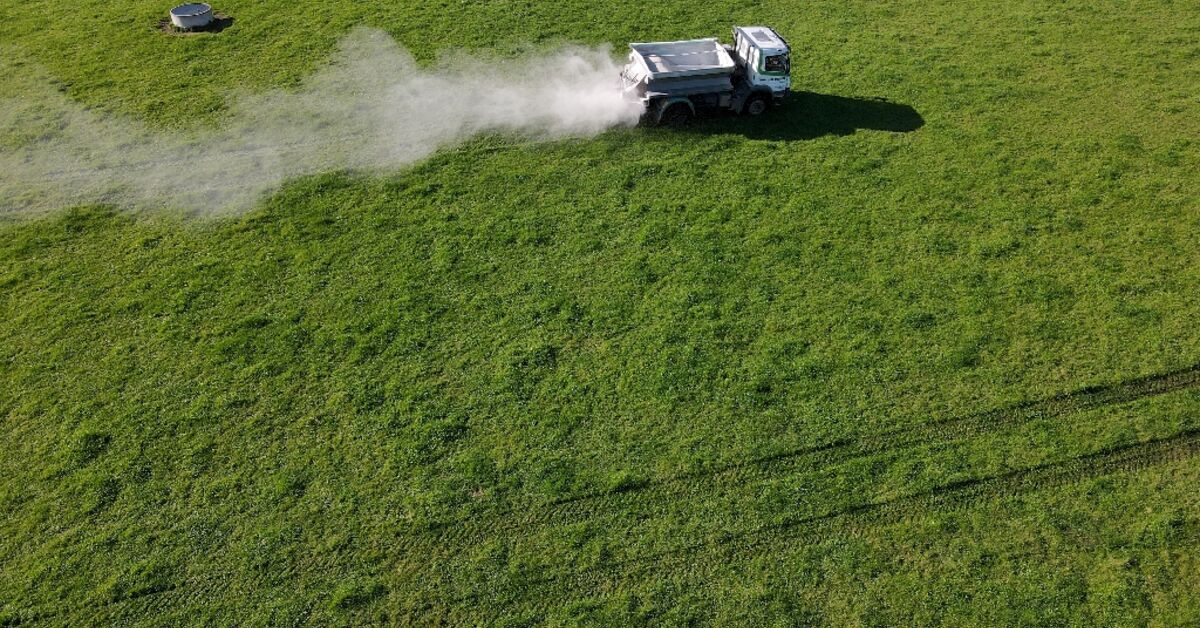
The World Trade Organization has announced a diplomatic threat to global food supply stability due to disruptions in fertilizer supplies following the Middle East war. The Iranian government has closed the oil and gas artery in the Strait of Hormuz, impacting fertilizer shipments.
Fertilizer supplies that pass through the Strait of Hormuz are among the most important sources of fertilizers in the world, accounting for approximately one-third of total global fertilizer supplies.
Details of the Incident
Reports indicate that the disruption of fertilizer supplies will lead to increased prices and shortages in the market. The implications of this situation are significant, as fertilizers are crucial for agricultural production.
As the conflict continues, the international community is closely monitoring the situation, understanding that the stability of food supplies is at stake. The potential for rising prices and shortages could have far-reaching effects on food security worldwide.
Background & Context
The war in the Middle East is one of the most significant events affecting global food supply stability. Fertilizer supplies are essential for maintaining agricultural production levels, which in turn supports food availability.
Historically, the region has been a critical player in the global fertilizer market, and any disruptions can lead to a domino effect impacting various countries dependent on these supplies. The geopolitical tensions in the area further complicate the situation.
Impact & Consequences
The disruption of fertilizer supplies will lead to increased prices and shortages in the market. This will directly affect agricultural production stability worldwide, as farmers may struggle to obtain the necessary inputs for their crops.
As a result, food prices could rise significantly, impacting consumers and potentially leading to food insecurity in various regions. The agricultural sector may face a crisis if these conditions persist, highlighting the need for international cooperation to address the issue.
Regional Significance
The disruption of fertilizer supplies will significantly affect agricultural production stability in the Arab region. Countries that rely heavily on imports for their fertilizer needs will face challenges in maintaining their agricultural output.
This situation could lead to increased prices in local markets, exacerbating existing economic challenges in the region. The potential for food shortages could also lead to social unrest, making it imperative for regional leaders to seek solutions.
In conclusion, the ongoing conflict in the Middle East poses a significant threat to global food supply stability, particularly through its impact on fertilizer supplies. Addressing these challenges will require concerted efforts from the international community to ensure food security for all.