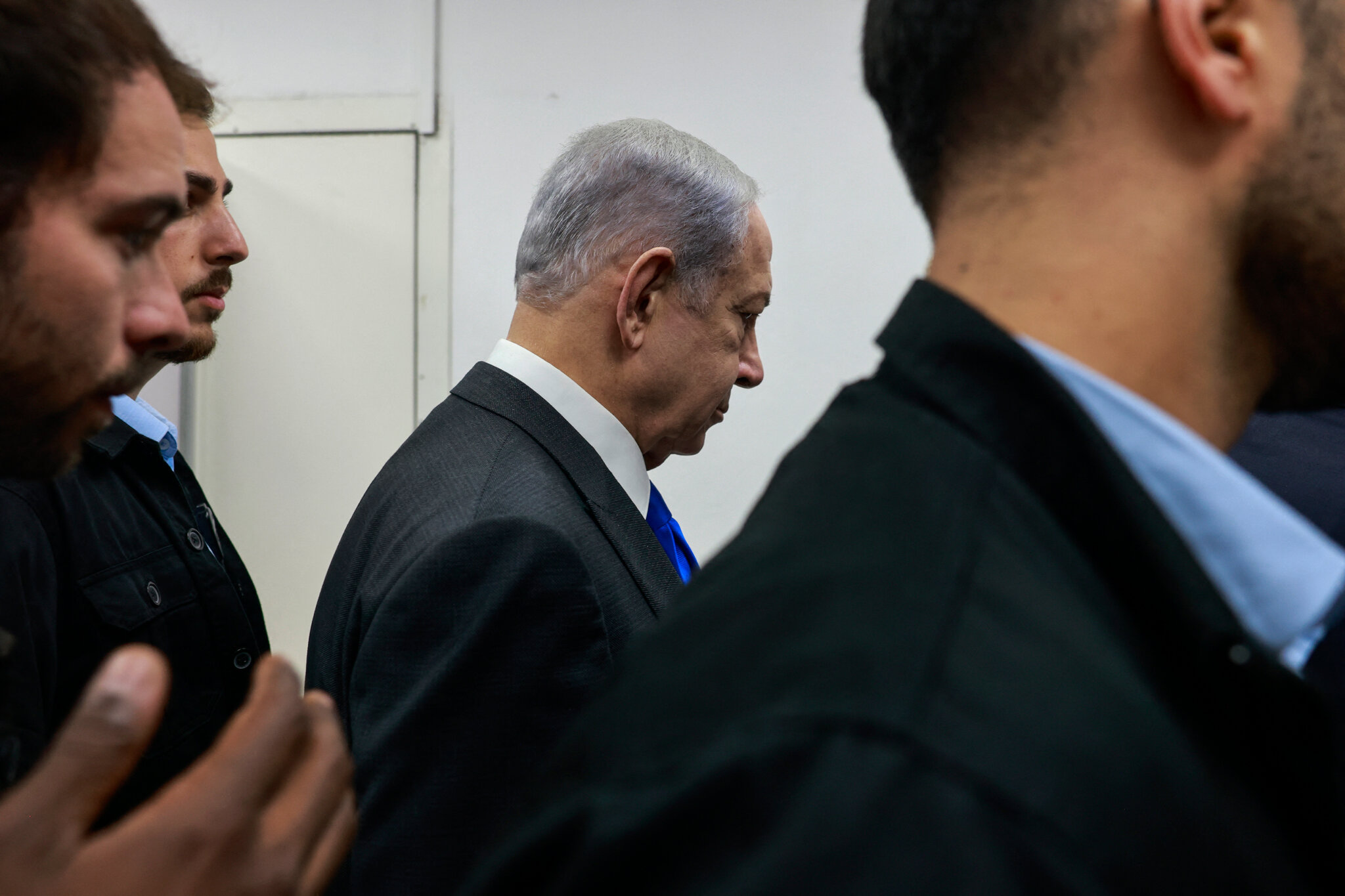
The director of the Adalah Center, a Palestinian human rights organization, expressed optimism that the Israeli Supreme Court will repeal the law allowing the execution of Palestinian prisoners, which was recently passed. This statement comes at a sensitive time as new laws raise widespread controversy regarding human rights in the occupied territories.
The law permitting the execution of Palestinian prisoners, which was passed in the Knesset, is viewed as an escalatory step in the Israeli-Palestinian conflict and reflects the increasing tensions in the region. The director of the Adalah Center emphasized that this law contradicts international human rights standards and must be repealed.
Details of the Event
In statements made during a press conference, the director of the Adalah Center confirmed that there is great hope that the Israeli Supreme Court will decide to repeal this law. He pointed out that there are numerous legal issues that could influence the court's decision, including international pressures and legal positions related to the rights of prisoners.
He also added that there are increasing calls from local and international human rights organizations opposing this law, which may affect the court's stance. This law is part of a series of measures taken by the Israeli government in recent years targeting the rights of Palestinians in the occupied territories.
Background & Context
Historically, the Palestinian issue has seen numerous laws and legislations targeting the rights of Palestinians, including arbitrary arrests and unfair legal proceedings. The Israeli government has faced severe criticism from human rights organizations due to its repeated violations.
The new law comes within the framework of the current Israeli government's policy aimed at enhancing security, but it simultaneously raises significant concerns regarding human rights. Many human rights organizations consider this law to be a blatant violation of international laws, including the Fourth Geneva Convention.
Impact & Consequences
If the Israeli Supreme Court proceeds to repeal this law, it could represent a significant victory for human rights in the region and strengthen the position of Palestinian prisoners. This decision may also improve relations between Israel and the international community, which is closely monitoring developments in human rights in the occupied territories.
On the other hand, repealing the law could provoke strong reactions from certain political circles in Israel, which may view it as a retreat from the current government's policy. Therefore, the decision will have wide-ranging political and social repercussions.
Regional Significance
This law and its implications are part of the broader conflict between Palestinians and Israelis, which affects stability in the region. Repealing this law could bolster the position of Palestinians on the international stage and provide a new impetus for efforts aimed at achieving peace.
Additionally, this decision could open the door for further dialogue between the concerned parties and enhance the chances of reaching peaceful solutions to the conflict. At the same time, the continuation of this law could lead to escalating tensions in the region and increase the suffering of Palestinians.
In conclusion, hope remains pinned on the Israeli Supreme Court to make a decision that reflects a commitment to human rights and promotes justice in the occupied territories.