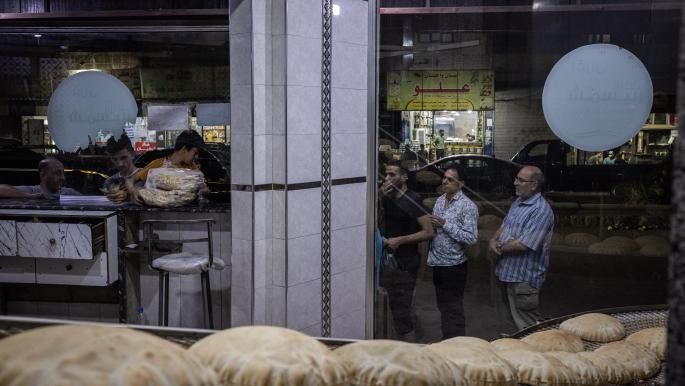
The Syrian Grain Corporation has announced its decision to disburse a financial advance estimated at around one million Syrian Lira, equivalent to about 80 dollars, for each worker at the Raqqa mills. This decision comes after a series of protests organized by workers due to the delay in their salaries for over three months.
The Raqqa mills, which are considered one of the most important industrial facilities in the region, have witnessed a state of tension and anxiety among workers who expressed their dissatisfaction with the difficult financial situation they are facing. The recent protests served as a cry for help from workers suffering from declining living standards.
Details of the Event
This step comes at a critical time as the Syrian economy suffers from multiple crises, negatively impacting citizens' purchasing power. Workers have indicated that they have not received any clear information regarding salary disbursement dates, which has increased their frustration.
On the other hand, the Syrian Grain Corporation confirmed that this advance is a temporary measure aimed at alleviating the financial burdens on workers and that it is working on finding permanent solutions to the salary issue. It also clarified that there are future plans to improve the conditions of workers in the mills.
Background & Context
Syria has been experiencing a prolonged state of economic instability due to the ongoing conflict and imposed sanctions. This has significantly affected all sectors, including the industrial sector. The Raqqa mills are not the only ones facing these crises; many other industrial facilities are encountering similar challenges.
Historically, the Raqqa mills played a vital role in securing the local market's flour needs, but today they face difficulties in securing raw materials due to the current conditions. These circumstances have led to a decline in production and increased pressure on workers.
Impact & Consequences
The recent protests may raise awareness about workers' rights in Syria, potentially prompting relevant authorities to take more serious steps to improve working conditions. While the disbursement of the advance may temporarily ease the situation, it does not address the root problem of delayed salaries.
If conditions continue as they are, we may witness new waves of protests in the future, which could impact social and economic stability in the country. It is crucial for the government to adopt effective policies to address these issues fundamentally.
Regional Significance
The situation in Syria serves as a model for the economic crises faced by many Arab countries. With increasing economic pressures, such protests may recur in other nations experiencing similar conditions. Addressing labor issues and improving their conditions is vital for maintaining social stability.
In conclusion, the current situation in Syria requires concerted efforts from all concerned parties to find effective solutions. Improving working conditions and ensuring timely salary payments can significantly enhance citizens' lives.