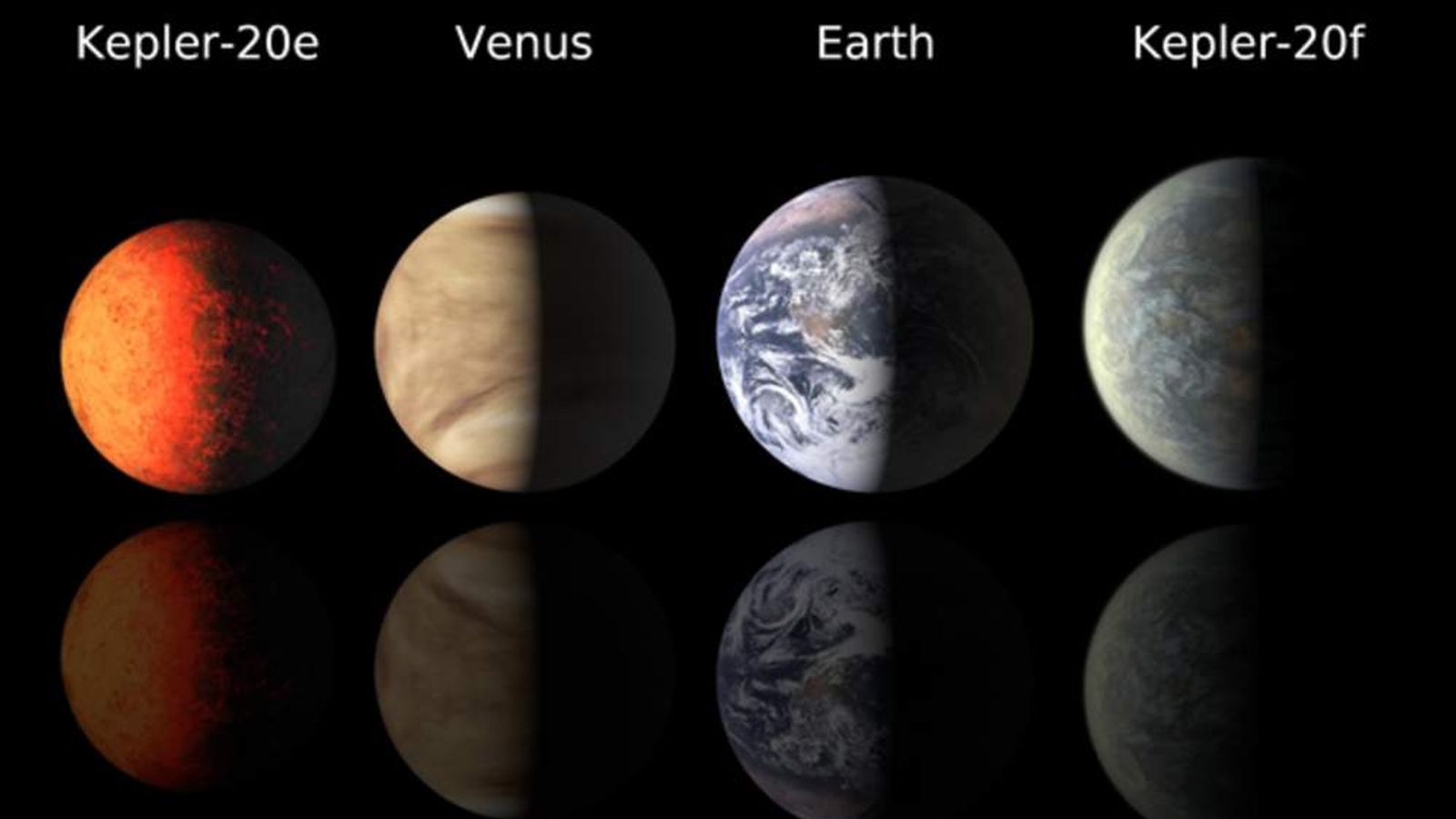
In a groundbreaking scientific discovery, astronomers have announced the identification of 45 Earth-like planets, believed to offer ideal conditions for the existence of extraterrestrial life. Among these planets, four are located merely 40 light-years from Earth, making them some of the closest celestial bodies that could potentially harbor unknown life forms.
This discovery reignites the debate about the possibility of extraterrestrial beings in the universe, raising profound questions about whether these entities actually exist and how humanity might communicate with them if they do. Scientists affirm that the conditions on these planets may resemble those found on Earth, thereby increasing the likelihood of life.
Details of the Discovery
The discovery was made using advanced technology in astronomy, analyzing data from sophisticated space telescopes. The identified planets are situated in regions known as the habitable zone, which is the area around stars that can contain liquid water, a fundamental requirement for life as we know it.
Researchers point out that these planets may have suitable atmospheres and moderate temperatures, making them ideal environments for studying the potential for life. Additionally, the relatively close distance of these planets makes them promising targets for further research and future explorations.
Background & Context
Historically, the idea of extraterrestrial life has been a subject of science fiction, but recent discoveries in astronomy have shifted this perspective. Since the discovery of the first exoplanet in the 1990s, research on Earth-like planets has surged significantly. Modern technologies have contributed to the identification of more of these planets, bolstering the hypothesis of life existing elsewhere in the universe.
In recent years, numerous planets located in the habitable zone have been discovered, prompting scientists to consider the possibility of extraterrestrial beings. This new finding comes at a time when there is a growing global interest in the search for life beyond Earth, especially following reports indicating the presence of organic materials on other planets.
Impact & Consequences
This discovery could have a significant impact on our understanding of the universe and our place within it. If the existence of extraterrestrial life is confirmed, it could alter our concepts of life and intelligence. Furthermore, this finding may open new avenues for scientific research, potentially leading to the development of new technologies for space exploration.
Moreover, this discovery could influence global policies related to space, as nations may seek to enhance cooperation in the field of space research. It may also raise ethical and religious questions about how to interact with beings that could be entirely different from humans.
Regional Significance
In the Arab region, this discovery may generate significant interest in scientific research and technology. These findings could encourage Arab nations to invest in space programs and scientific research, thereby enhancing their status in the global scientific community.
The existence of extraterrestrial life could also open a new realm of inquiry in Arab culture and thought, as these discoveries may impact philosophy and religion, raising new questions about the existence of life in the universe.
In conclusion, the discovery of these planets represents an important step towards a deeper understanding of the universe and reinforces the hypothesis of life existing beyond Earth. The most pressing question remains: Are we alone in this vast universe?