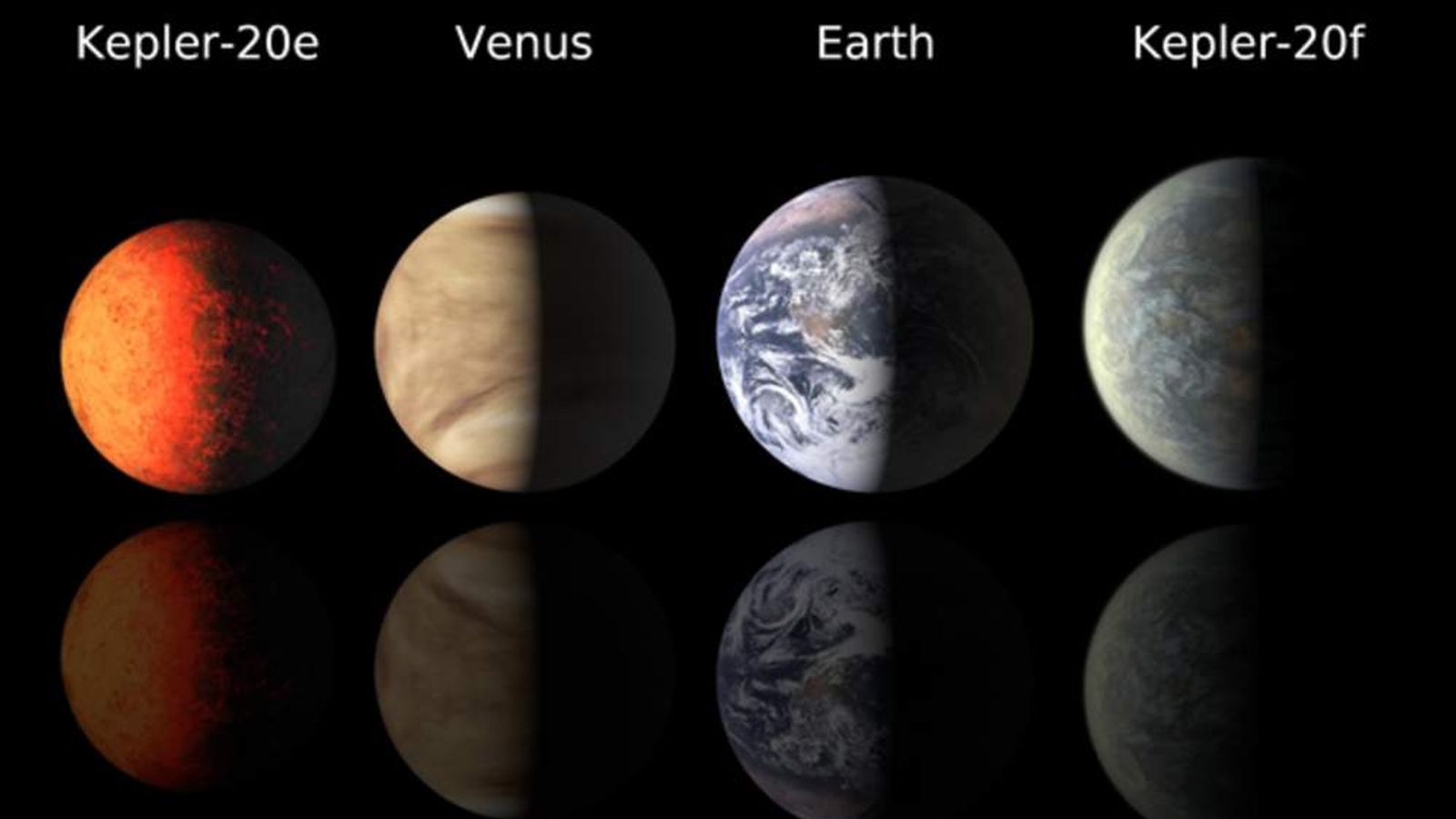
Astronomers have uncovered 45 new Earth-like planets, sparking new questions about the possibility of extraterrestrial life. These planets are located in habitable zones, where conditions may be suitable for life as we know it.
This discovery comes at a time when astronomical research is making significant strides, utilizing advanced techniques to observe these planets. These planets are part of a larger group of planets discovered in recent years, enhancing hopes of finding life beyond Earth.
Details of the Discovery
The new planets were discovered using advanced telescopes, which accurately pinpointed their locations in the Milky Way galaxy. It is believed that these planets orbit stars similar to the sun, increasing the likelihood of suitable conditions for life. Scientists describe this discovery as a major step towards a deeper understanding of the universe.
The sizes of these planets range from that of Earth to larger planets, reflecting a significant diversity in the environments they may contain. Some of these planets are located in what is known as the habitable zone, where liquid water could exist, a fundamental requirement for life as we know it.
Background & Context
Over the decades, research on exoplanets has been accelerating. Since the discovery of the first exoplanet in the 1990s, thousands of other planets have been identified. This recent discovery is part of ongoing efforts to understand more about the universe and the possibility of life beyond Earth.
These discoveries are significant not only scientifically but also philosophically, raising questions about humanity's place in the universe. Are we alone? Or are there other beings living in distant places? These questions remain unanswered.
Impact & Consequences
This discovery could have a substantial impact on future research in astronomy and the search for life beyond Earth. It may lead to increased funding and support for astronomical research, facilitating the use of new techniques to observe distant planets.
Additionally, this discovery could open new avenues for scientific research, allowing scientists to study these planets more deeply to understand how they formed and evolved. This could help determine whether these planets are capable of supporting life.
Regional Significance
As the Arab region sees a growing interest in science and technology, this discovery could positively impact scientific research in Arab countries. It may encourage universities and research centers to invest in astronomy and space sciences.
Furthermore, it could foster collaboration between Arab countries and developed nations in scientific research, paving the way for joint projects aimed at exploring space and better understanding the universe.
In conclusion, the discovery of 45 Earth-like planets represents an important step towards a deeper understanding of the universe and the possibility of life beyond Earth. These discoveries may reshape our perceptions of our place in the universe and open new horizons for scientific research.