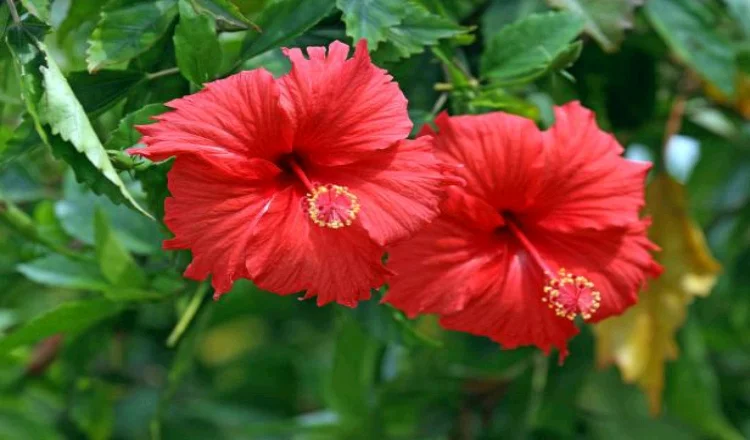
Studies have shown that regular consumption of hibiscus not only lowers blood pressure but also offers numerous other health benefits. From boosting immunity to improving heart health, hibiscus is a beneficial drink for overall health.
Hibiscus is considered an herbal plant used in many cultures around the world, known for its refreshing taste and attractive red color. What distinguishes hibiscus is its rich composition of antioxidants and vitamins, making it a healthy option available to everyone.
Details of the Event
Research has shown that hibiscus contains compounds such as anthocyanins, which help reduce inflammation and promote heart health. Studies also indicate that consuming hibiscus can help lower levels of bad cholesterol in the blood, thereby reducing the risk of heart disease.
Additionally, hibiscus is beneficial for improving liver function, as it aids in detoxifying the body. It also promotes digestive health, making it an ideal choice for those suffering from digestive issues.
Background & Context
Historically, hibiscus has been used in traditional medicine to treat various ailments. In ancient Egypt, it was used as a remedy for fever and to promote general health. Over time, hibiscus has become part of the dietary culture in many Arab and African countries.
The popularity of hibiscus has increased in recent years, as it is now considered a healthy drink preferred in the summer due to its refreshing taste and ability to hydrate the body. Many recent studies support its use as a natural remedy for various health conditions.
Impact & Consequences
The benefits of hibiscus serve as a call to change dietary habits towards healthier options. With the growing health awareness, incorporating hibiscus into the daily diet can lead to improved overall health and reduced reliance on medications.
Promoting hibiscus as a healthy option can also support local farmers and increase demand for natural products, benefiting the local economy.
Regional Significance
In the Arab region, hibiscus is considered part of the cultural and dietary heritage. It is used in social and family gatherings, enhancing social bonds. The health benefits of hibiscus may encourage more people to rely on natural remedies, reflecting a shift towards healthier lifestyles.
In conclusion, hibiscus shows that it is not just a refreshing drink but also a source of numerous health benefits that can improve quality of life. Integrating it into the diet can be a positive step towards better health.