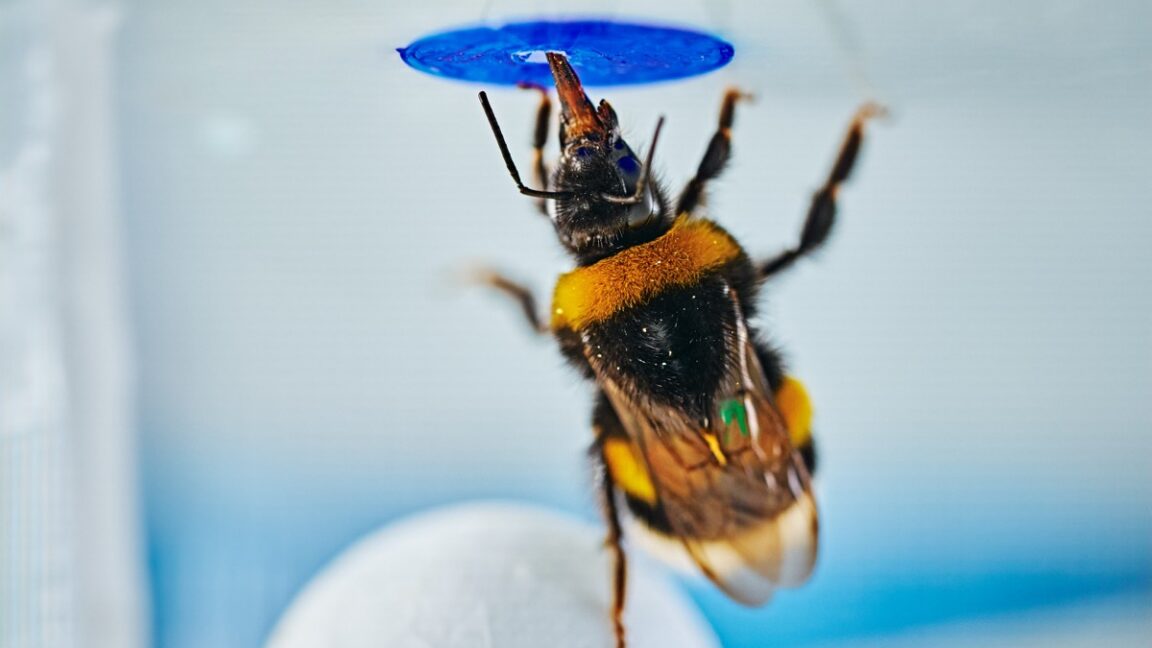
A recent scientific study conducted by researchers in Finland has shown that bumblebees possess the ability to solve complex problems in unexpected ways, successfully overcoming challenges akin to the well-known 'box and banana' game. These findings enhance the scientific understanding of insect intelligence and their adaptability to their environments.
In the experiment, the bees were placed in an environment requiring them to use specific tools to access food. The results indicated that the bees were not only capable of finding solutions but did so independently without guidance from their peers. This critical thinking ability reflects a high level of intelligence among these insects, altering our traditional perceptions of the insect world.
Details of the Study
As part of this study, researchers designed an experiment involving a box containing food, where the bees had to use tools to reach the food. The results demonstrated that the bees employed multiple strategies to solve the problem, indicating mental flexibility and innovative capabilities. These findings suggest that bees are not merely simple organisms but possess advanced cognitive skills.
This study is part of broader efforts to understand how insects think and interact with their environments. Previous research has shown that certain insect species, such as bees, exhibit advanced learning and memory capabilities, which contribute to improving their foraging strategies.
Background & Context
Historically, it was believed that insects lacked intelligence; however, recent research has begun to change this notion. In recent years, it has been discovered that many insect species, including bees, display complex behaviors indicative of a high level of intelligence. These discoveries pave the way for new studies on how these capabilities evolved and how they affect the bees' environment and role in the ecosystem.
Bees are crucial insects in the ecosystem, playing a vital role in pollinating plants. With the increasing threats they face, such as habitat loss and climate change, understanding their behavior and intelligence becomes more important than ever.
Impact & Consequences
The results of this study are significant not only for understanding bee behavior but also for their potential applications in fields such as agriculture and environmental conservation. If bees can solve problems in innovative ways, this could have a substantial impact on how we manage agricultural resources and conserve biodiversity.
Furthermore, these discoveries could contribute to developing new strategies to protect bees from the threats they face, helping to maintain the balance of the ecosystem. These findings may also inspire new research in artificial intelligence and biotechnology.
Regional Significance
In the Arab region, bees are an essential part of agriculture, contributing to the pollination of many crops. With increasing environmental challenges, such as desertification and climate change, understanding bee behavior and their adaptability can have a direct impact on food security in Arab countries.
These discoveries could enhance efforts to protect bees and raise awareness of their importance in the agricultural system, benefiting local communities and national economies.