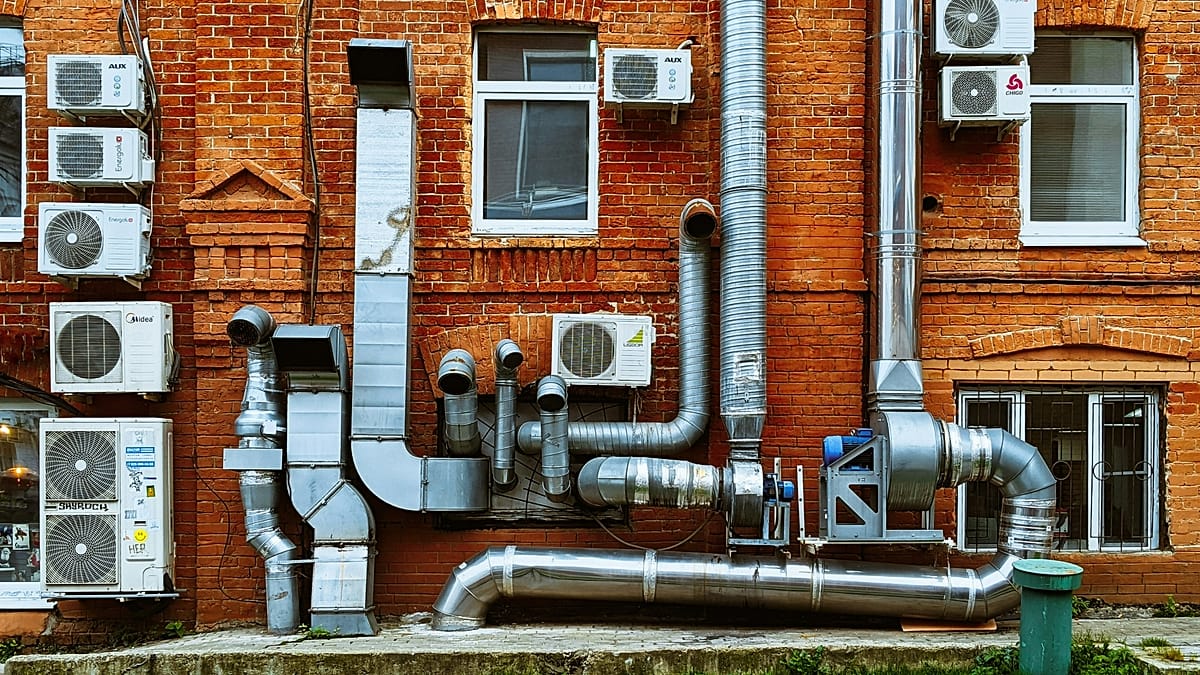
Europe is currently facing an unprecedented heatwave, with the United Kingdom recording its highest temperatures in May since records began. France has activated its national warning system for the first time this month since 2004. These extreme weather conditions raise concerns about the increasing reliance on air conditioning systems, which drives up energy demand.
Reports indicate that developing and emerging countries will heavily depend on air conditioning, with projections suggesting that they will account for over 80% of the expected electricity demand for cooling by 2050, according to the International Energy Agency (IEA).
Details of the Event
The peak use of air conditioning leads to increased energy consumption and gas emissions, contributing to rising temperatures, especially in cities due to the heat island effect. Reports have shown that the use of air conditioning systems in homes has more than doubled since 1990 in Europe, with forecasts predicting the installation of 130 million units in the European Union by 2023.
In Southeast Asia, the number of air conditioning units is expected to rise ninefold between 2020 and 2040, reflecting improvements in living standards. In Indonesia, the percentage of the population owning air conditioning units is expected to increase from 14% in 2023 to 85% by 2050.
Background & Context
While increased access to cooling systems means improved quality of life for millions, it also poses significant challenges to the electrical grid. During heatwaves in the summer of 2025, France, where air conditioning ownership is low, recorded a peak electricity demand 25% above the seasonal average, while the figure in New York, where ownership is high, was 90%.
Air conditioning systems are responsible for emitting around one billion tons of carbon dioxide annually, contributing to the climate crisis. Additionally, the materials used in cooling, such as hydrofluorocarbons, trap significantly more heat than carbon dioxide, exacerbating global warming.
Impact & Consequences
Clara Camarasa, an expert at the International Energy Agency, asserts that air conditioning can place tremendous pressure on electrical networks and increase greenhouse gas emissions. The rapid growth in cooling requirements could lead to the use of inefficient equipment that consumes substantial amounts of energy.
Improving the efficiency of air conditioning units as a short-term measure can help mitigate negative impacts. Analyses indicate that the average efficiency of new air conditioning units does not exceed half of the efficiency of the best models available. However, users can significantly reduce energy consumption by setting temperatures higher and using fans in conjunction with air conditioning systems.
Regional Significance
Arab countries face similar challenges, as temperatures are rising significantly, leading to increased reliance on air conditioning systems. Arab nations must consider effective strategies to reduce energy consumption, such as improving building designs and utilizing natural cooling technologies.
In conclusion, the current situation requires a comprehensive response from policymakers, including enhancing equipment efficiency and integrating cooling considerations into building and city designs. The shift towards sustainable solutions can help address the growing climate challenges.