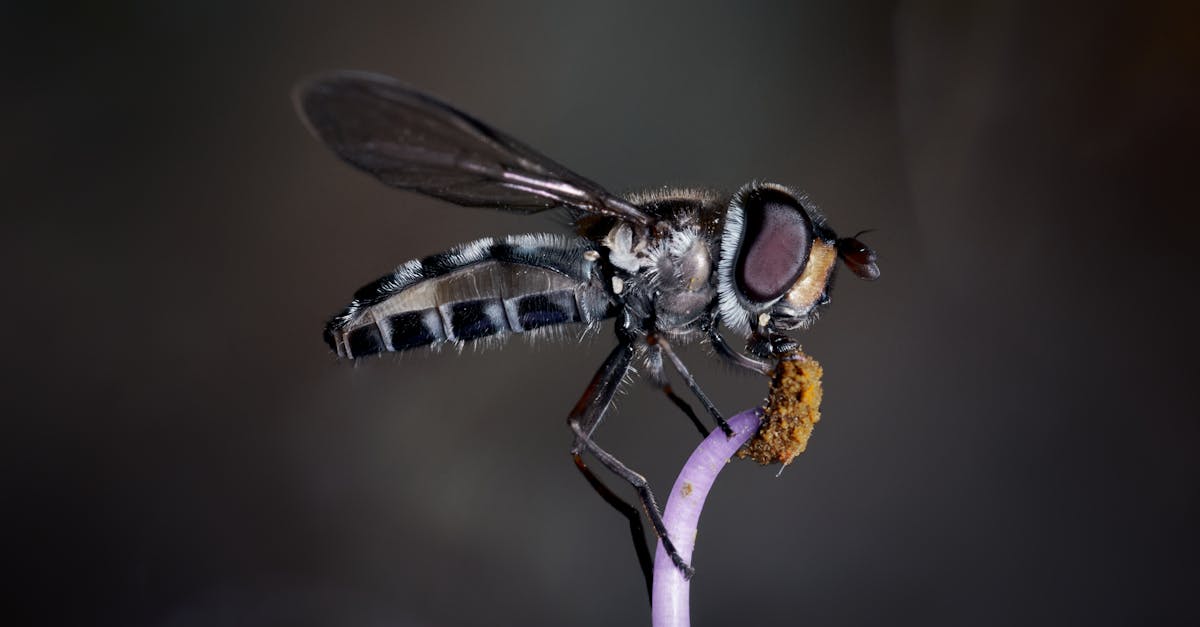
The New World screwworm, scientifically known as Cochliomyia hominivorax, has re-emerged in the United States, raising significant concerns among farmers and agricultural authorities. New cases of infestation have been reported in Florida, where this fly is recognized as a dangerous agricultural pest that directly affects livestock.
This insect is known to feed on animal tissues, leading to deterioration in their health and increased treatment costs. Agricultural authorities in Florida are currently implementing measures to combat this fly, including the use of pesticides and awareness programs for farmers.
Details of the Event
The New World screwworm was first discovered in the United States in 1930, but it was eradicated in most areas by the 1970s. However, its return serves as a warning to farmers, as infestations can lead to significant economic losses. This new emergence highlights the urgent need for continuous monitoring and the implementation of effective pest control strategies.
Florida is a key breeding ground for this fly due to its warm, humid climate, which provides an ideal environment for insect reproduction. Reports indicate that the fly can reproduce rapidly, increasing the likelihood of its spread to other states if necessary actions are not taken.
Background & Context
Historically, the New World screwworm has posed a significant threat to livestock in many countries, including Mexico and Central America. In recent years, strict measures have been taken to combat this fly in those regions, helping to reduce its spread. However, its return to the United States indicates that the threat remains.
It is important to note that the fly feeds on animal tissues, leading to severe injuries that can result in death in some cases. Therefore, farmers in affected areas need to take additional precautions to protect their livestock.
Impact & Consequences
The emergence of the New World screwworm could have negative effects on the agricultural economy in the United States. Infestations may lead to increased treatment costs for farmers, as well as loss of productivity. Additionally, the spread of the fly could impact agricultural trade, as other countries may hesitate to import animal products from affected regions.
Moreover, the return of this fly could raise awareness about the importance of pest control in agriculture, potentially driving the development of new strategies to combat these types of insects. It is crucial for agricultural authorities to collaborate with farmers to implement best practices in this field.
Regional Significance
Although the New World screwworm has not been reported in Arab countries, this event underscores the importance of monitoring agricultural pests and their impact on food security. Arab nations, which heavily rely on agriculture, need to enhance pest control strategies to protect their crops and livestock.
In light of climate change, Arab countries may face similar threats, necessitating regional and international cooperation to address these challenges.