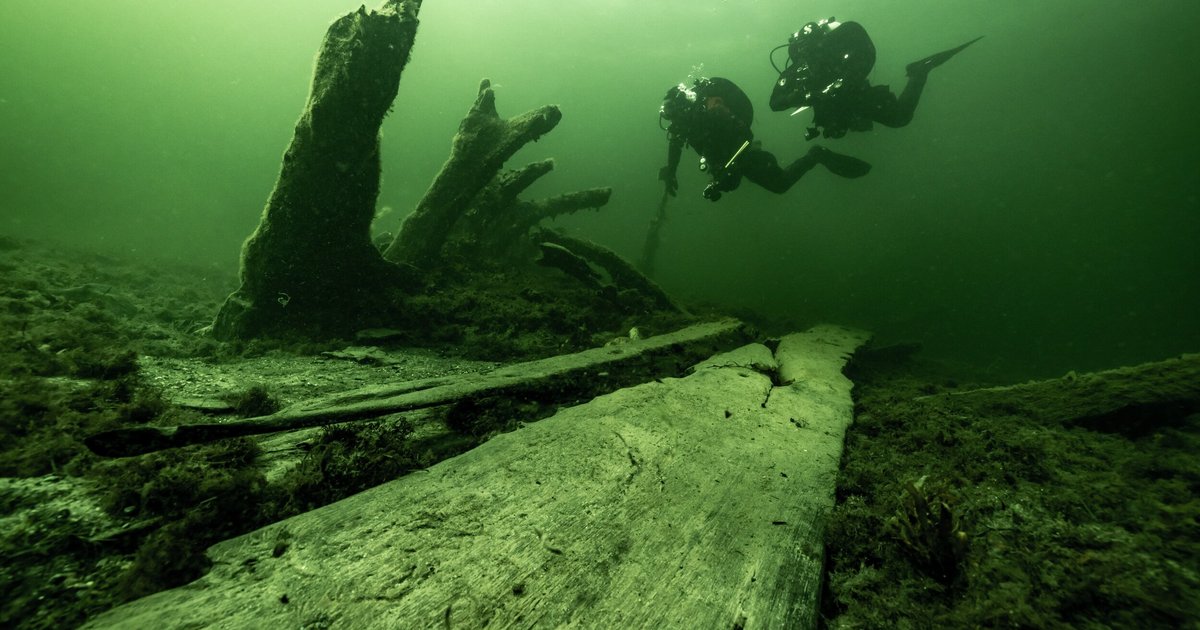
Danish research teams have uncovered the wreck of a Danish warship that sank 225 years ago during a naval battle with the British fleet. The wreck found sheds light on the history of maritime conflicts during that period.
The ship, known as the Nordland, was part of the Danish fleet that participated in the Napoleonic Wars. The sinking occurred during the Battle of Copenhagen in 1801, where the ship faced a fierce attack from British forces, leading to its destruction.
Details of the Discovery
The wreck was discovered off the coast of Denmark, where research showed that the ship was loaded with weapons and ammunition. This discovery is a significant achievement in the field of maritime archaeology, as it provides valuable information about the design of warships during that era.
The research team utilized modern techniques such as underwater imaging and sensors to locate the wreck, which helped accurately pinpoint the ship's location. This discovery also reflects ongoing efforts to preserve Denmark's cultural and maritime heritage.
Background & Context
The history of naval wars in Europe during the 19th century was filled with conflicts, as major powers competed for control of the seas. The Battle of Copenhagen was one of the prominent battles that witnessed escalating tensions between Britain and Denmark.
This battle is considered a turning point in naval history, leading to changes in naval warfare strategies. Warships like the Nordland represented the naval power of countries at that time and played a significant role in determining the fate of wars.
Impact & Consequences
The recent discovery may contribute to enhancing cultural tourism in Denmark, as it could attract those interested in maritime history. It also opens the door for further research and studies on naval wars and their impact on European history.
Moreover, this discovery emphasizes the importance of preserving cultural heritage and encourages governments to invest in marine archaeology research and excavation projects.
Regional Significance
While this discovery may seem distant from the Arab region, maritime history has wide-ranging effects. Maritime conflicts in Europe had repercussions on trade and the economy in the Arab world, as sea routes connected the East and West.
Understanding maritime history can also help strengthen cultural and commercial relations between Arab countries and Europe, contributing to enhanced cooperation in tourism and scientific research.
In conclusion, the discovery of the wreck of the warship Nordland represents an important step towards a deeper understanding of the history of naval wars and reflects ongoing efforts to preserve cultural and maritime heritage.