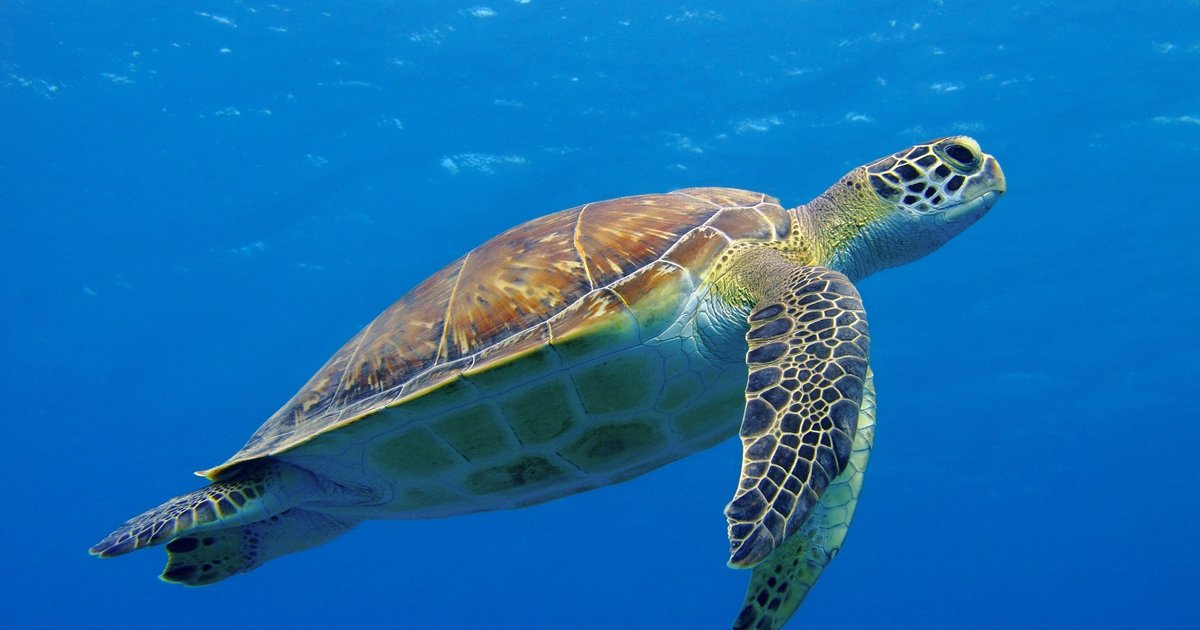
The Egyptian Ministry of Tourism and Antiquities has announced the discovery of the first giant sea turtle dating back 68 million years, found during excavation work in the Nile Valley. This discovery serves as new evidence of the biodiversity that Egypt experienced in ancient times and reflects the region's importance as a rich archaeological site.
This giant turtle is considered one of the oldest marine creatures found in Egypt, with its remains discovered in rock layers dating back to the Cretaceous period. It is believed that this turtle lived in a rich marine environment, showcasing the biodiversity that existed at that time.
Details of the Discovery
The giant turtle was discovered during excavation operations in the Nile Valley, where archaeologists found its remains in rock layers from the Cretaceous period. The turtle was identified through its skeletal structure, which indicates its large size, making it one of the largest sea turtles discovered to date.
This discovery is part of the ongoing efforts by the Egyptian Ministry of Tourism and Antiquities to preserve the country's natural and environmental heritage. Officials have stated that this finding will contribute to enhancing archaeological tourism in Egypt, allowing visitors to learn about the region's rich biological history.
Background & Context
Historically, Egypt has been a center for many marine creatures throughout various geological eras. The region has witnessed significant biological diversity, with different species of marine life, including fish and turtles, coexisting. This biodiversity reflects the climatic and environmental changes that the area has undergone over the ages.
The discovery of the giant turtle is part of broader efforts to understand the history of marine life in Egypt. Previous discoveries have contributed to enhancing knowledge about ancient marine creatures, helping scientists understand how marine life has evolved over time.
Impact & Consequences
The discovery of the giant turtle is expected to have positive effects on archaeological tourism in Egypt, potentially attracting more visitors interested in natural history. This finding also enhances Egypt's status as a key location for archaeological and geological studies.
Additionally, this discovery could contribute to advancing scientific research related to biodiversity and the climatic changes that the region has experienced, aiding scientists in understanding how these factors have impacted marine life.
Regional Significance
This discovery highlights the importance of natural heritage in the Arab world, potentially inspiring other countries to invest in archaeological research and biodiversity conservation. It also raises awareness about the significance of preserving the environment and biodiversity in the region.
In conclusion, the discovery of the giant sea turtle represents an important step towards enhancing scientific understanding of natural history in Egypt and underscores the importance of preserving the environmental and geological heritage in the region.