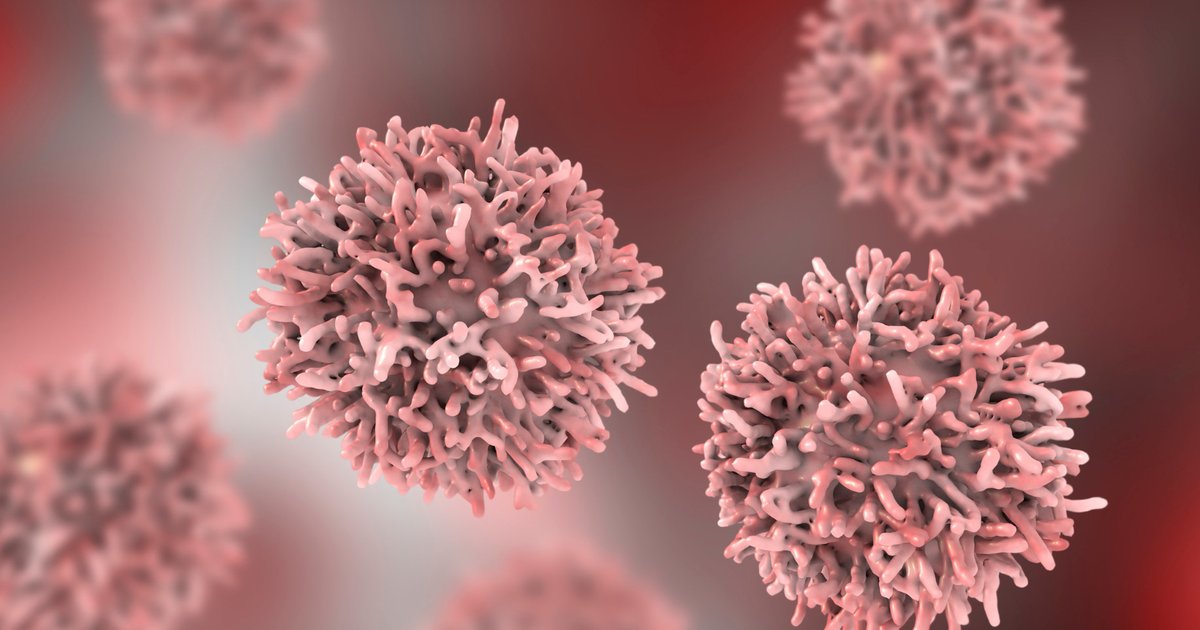
Recent studies have indicated that a hidden protein significantly contributes to the development of skin cancer, disrupting the body's natural immunity. This discovery highlights the importance of understanding the biological mechanisms that lead to the spread of this disease.
Research shows that this protein works to disable the immune response, allowing cancer cells to grow and spread without resistance. These findings could change how doctors approach skin cancer, potentially aiding in the development of new therapeutic strategies targeting this protein.
Event Details
This research was conducted in specialized laboratories, where scientists analyzed samples from tissues of patients diagnosed with skin cancer. The results revealed that levels of this protein were significantly elevated in cancerous tissues compared to healthy tissues.
Researchers also noted that the impact of this protein is not limited to skin cancer alone; it may play a role in other types of cancers, necessitating further studies to understand its effects more deeply.
Background & Context
Skin cancer is one of the most common types of cancer worldwide and poses a significant health threat. According to the World Health Organization, the number of new cases is continuously rising, prompting the need for effective solutions.
Historically, available treatments have focused on tumor removal or the use of chemotherapy. However, with the evolution of research, there has been a shift towards targeted therapies that address the underlying mechanisms of the disease.
Impact & Consequences
If new treatments targeting this protein are developed, it could lead to improved recovery rates and reduced mortality associated with skin cancer. Additionally, this discovery may open the door to new research in other medical fields.
These results represent a significant step towards a better understanding of how the immune system interacts with cancer, potentially contributing to the development of effective vaccines or immunotherapies.
Regional Significance
In the Arab region, skin cancer incidence rates are on the rise, particularly in countries with hot climates. These discoveries could have positive implications for public health, as they may help in developing effective preventive and therapeutic strategies.
Moreover, enhancing scientific research in this field could contribute to improving healthcare standards in Arab countries, positively impacting citizens' health.
In conclusion, the discoveries related to the hidden protein represent an important step towards a deeper understanding of skin cancer and may open new avenues for innovative treatments. Further research is needed to confirm these results and apply them in clinical practices.