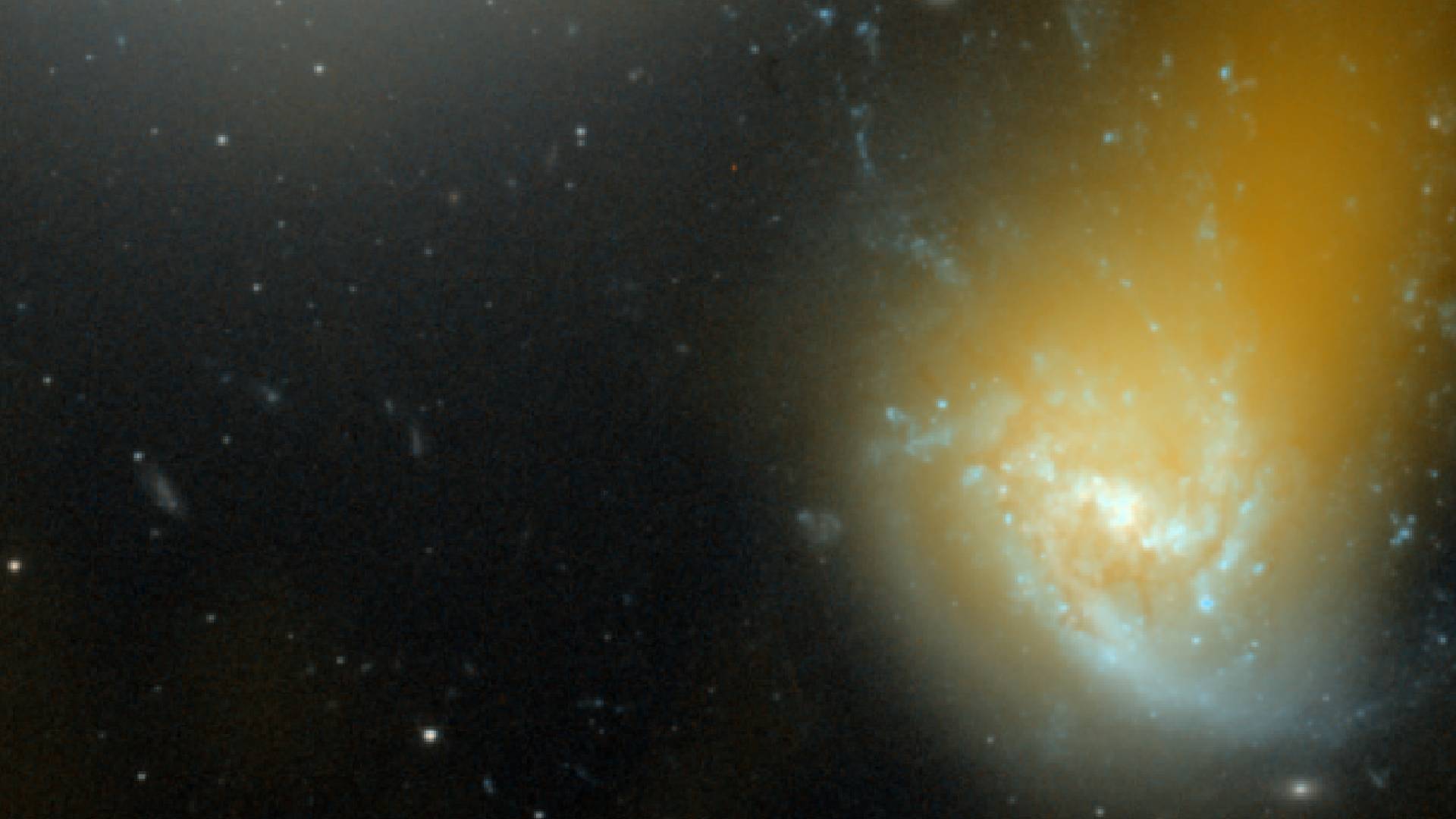
A new study reveals the most accurate map of the universe, containing information about 47 million galaxies. This discovery marks a significant step in our understanding of the universe and its evolution, as data from the Spitzer and Hubble telescopes were used to compile this information.
This map is the result of ongoing scientific efforts over the years, analyzing the vast amounts of data collected from various space telescopes. This data not only helped in determining the number of galaxies but also in understanding their distribution and composition.
Details of the Discovery
The new map includes precise details about the galaxies, including their size and location in space. The study showed that there are different types of galaxies, including spiral and elliptical galaxies, reflecting the diversity of the universe.
Scientists noted that this map will aid in studying the evolution of the universe, as it allows for tracking how galaxies form and interact with each other over time.
Background & Context
For decades, scientists have sought to better understand the universe, with previous studies limited to fewer galaxies. However, technological advancements have made it possible to collect and analyze vast amounts of data.
This map is part of a larger project aimed at exploring space and understanding various cosmic phenomena, such as dark matter and dark energy.
Impact & Consequences
This discovery is a significant milestone in astronomy, enabling scientists to conduct more accurate studies on the formation and evolution of the universe. It will also assist in developing new models to understand how galaxies form.
Additionally, these findings could open new avenues for research in other fields, such as astrophysics and cosmology.
Regional Significance
This discovery is important for scientists and researchers in the Arab world, as it may encourage further investments in astronomical research. It could also contribute to enhancing cooperation among Arab countries in the fields of science and technology.
In conclusion, this discovery represents a major scientific achievement and reflects the ongoing progress in our understanding of the universe. These results are expected to contribute to expanding the horizons of scientific research in the future.