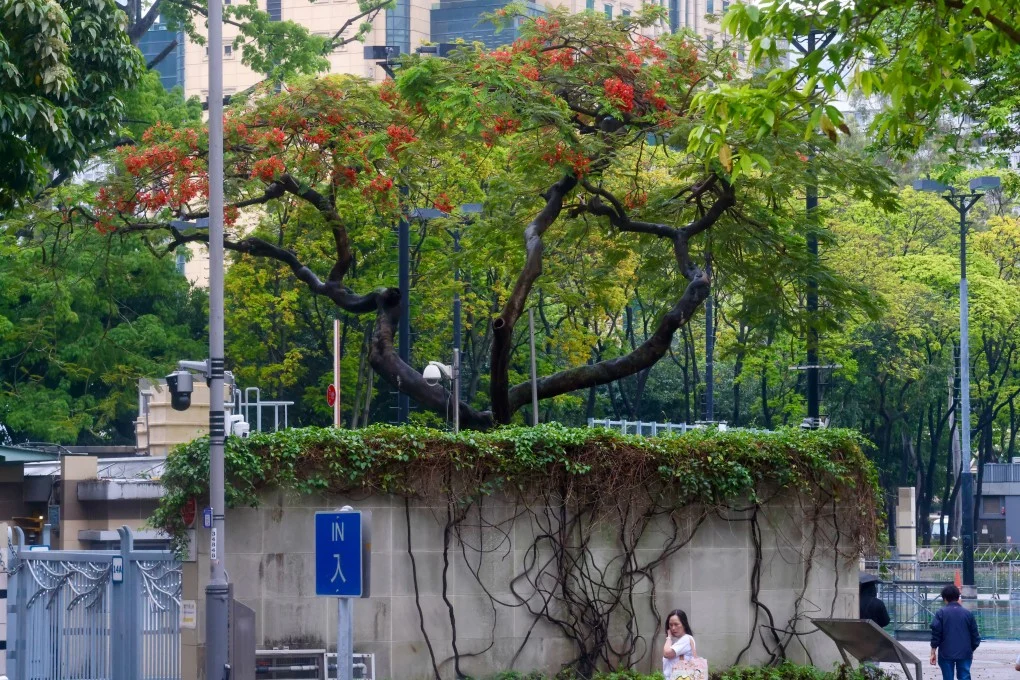
Plant scientists in Hong Kong are calling for a comprehensive study to understand how global warming affects the city's flora. Significant changes in leaf fall patterns and flower blooming have been observed, necessitating urgent attention. Some species, such as the red kapok tree and the flame tree, which are supposed to shed all their leaves during winter, have shown signs of incomplete leaf drop by spring or early blooming in recent years.
Experts report that these changes could significantly impact the ecosystem in Hong Kong, where plants are a crucial part of the environmental balance. They noted that these phenomena may be a direct result of rising global temperatures, calling for extensive research to understand the various dimensions of this impact.
Event Details
Hong Kong is home to a diverse range of plants, and much of the region's wildlife depends on these species. However, the climate changes being witnessed globally have begun to noticeably affect these species. Studies have shown that some plant species are starting to adapt to the new climatic conditions, which could lead to changes in biodiversity.
Scientists assert that these changes are not merely transient phenomena but indicate a radical shift in how plants interact with their environment. They emphasized the importance of conducting long-term studies to monitor these changes and understand how they affect wildlife and the ecosystem as a whole.
Background & Context
Historically, Hong Kong has enjoyed a temperate climate, which has helped many plant species thrive. However, global climate changes, such as rising temperatures and increased pollution, have begun to disrupt this balance. In recent years, the city has experienced severe heatwaves and unexpected rainfall, affecting plant growth patterns.
These phenomena are part of a broader global trend, where many regions around the world are facing similar impacts due to global warming. Previous studies have shown that many plant species in various parts of the world are beginning to change their responses to the climate, raising concerns about the future of biodiversity.
Impact & Consequences
The changes in leaf fall patterns and flower blooming indicate that the ecosystem in Hong Kong may face new threats. If these trends continue, they could lead to a loss of biodiversity and alter the environmental balance. Additionally, these changes may impact animal species that rely on plants as a food source.
Furthermore, the economic impacts could be significant, as many residents depend on agriculture and plant-related activities. Therefore, understanding these changes will be essential for developing strategies to conserve the environment and ensure the sustainability of natural resources.
Regional Significance
Climate change is a global issue affecting all regions, including Arab countries. Many Arab nations are experiencing similar impacts, such as rising temperatures and changing rainfall patterns. These challenges require effective responses from governments and communities to ensure the sustainability of natural resources and protect biodiversity.
In conclusion, the changes observed in Hong Kong's plants serve as a call to reflect on how global warming affects the environment as a whole. There must be joint efforts worldwide to address these challenges and ensure a sustainable future for generations to come.