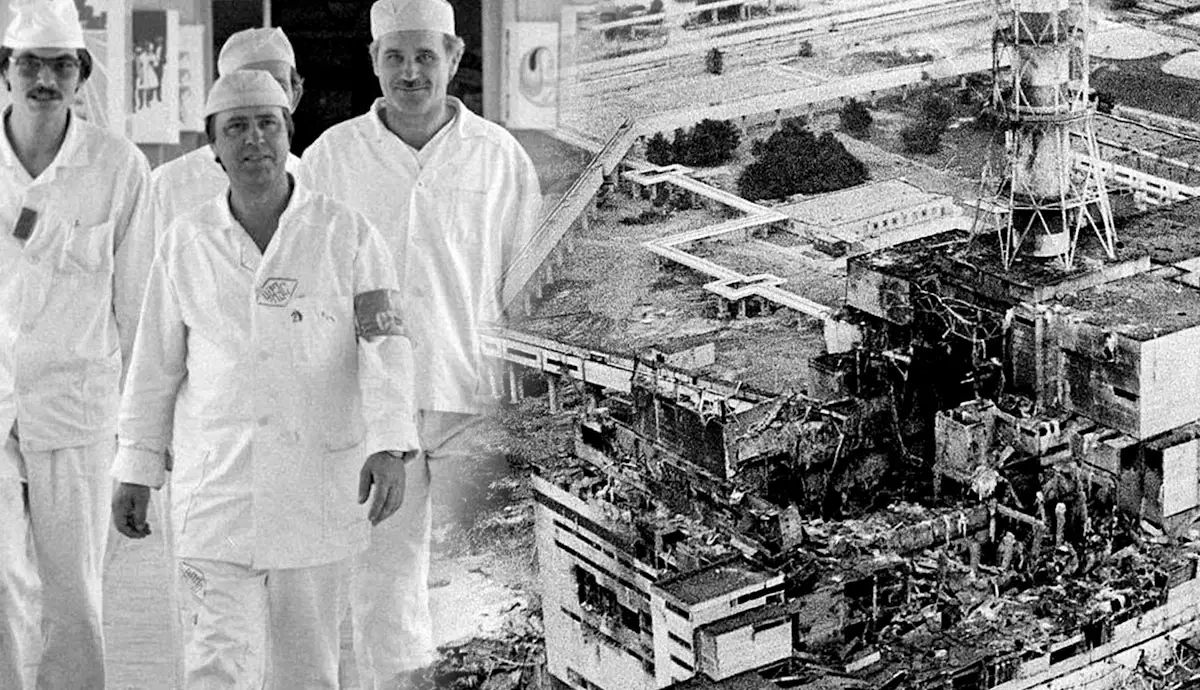
The Chernobyl nuclear disaster, which took place on April 26, 1986, is regarded as one of the deadliest nuclear incidents in history, resulting in the release of vast amounts of nuclear radiation into the environment. As we mark 40 years since this catastrophe, a collection of rare photographs has emerged, shedding light on the true dimensions of the disaster and its impact on the surrounding area.
The images captured in the aftermath of the incident depict horrifying scenes of the destroyed nuclear reactor, as well as the surrounding areas that suffered from radioactive contamination. These photographs reveal the extent of the devastation inflicted upon the city and neighboring regions, where residents were urgently evacuated, leading to the transformation of the city into a ghost town.
Details of the Incident
Chernobyl, located in Ukraine, experienced an explosion at Reactor No. 4, which resulted in the release of massive quantities of radioactive materials into the air. Although Soviet authorities initially attempted to cover up the incident, information began to leak to the outside world, raising international concerns about the safety of nuclear energy.
Following the explosion, rescue teams from various countries were formed to address the aftermath of the disaster, with radiation specialists dispatched to control the situation. However, the damage had already occurred, as many workers on-site were exposed to radiation, leading to the subsequent deaths of several of them.
Background & Context
The Chernobyl disaster marked a turning point in the history of nuclear energy, prompting a comprehensive review of safety standards in nuclear reactors worldwide. In the wake of the incident, strict restrictions were imposed on the use of nuclear energy in many countries, affecting energy plans across various nations.
In the years following the disaster, numerous studies were conducted to assess the health and environmental impacts of radiation. Research indicated that many individuals exposed to radiation suffered from serious health issues, including cancer and heart diseases.
Impact & Consequences
International relations were significantly affected after the Chernobyl disaster, leading to heightened fears regarding the use of nuclear energy. Many countries began to reassess their energy strategies, resulting in a decline in the construction of new nuclear reactors.
The catastrophe also contributed to the strengthening of anti-nuclear movements in several countries, as citizens began to demand greater transparency and safety in the use of nuclear energy. This shift influenced government policies and led to changes in energy-related legislation.
Regional Significance
Although Chernobyl is located far from the Arab region, its effects were felt. Many Arab countries began to consider alternative energy sources, such as solar and wind energy, as substitutes for nuclear power. This shift reflects the global trend towards sustainable energy.
At the same time, the issue of nuclear safety remains a significant topic in the region, as some countries seek to develop nuclear programs for peaceful purposes. Therefore, the lessons learned from Chernobyl continue to hold great importance in this context.