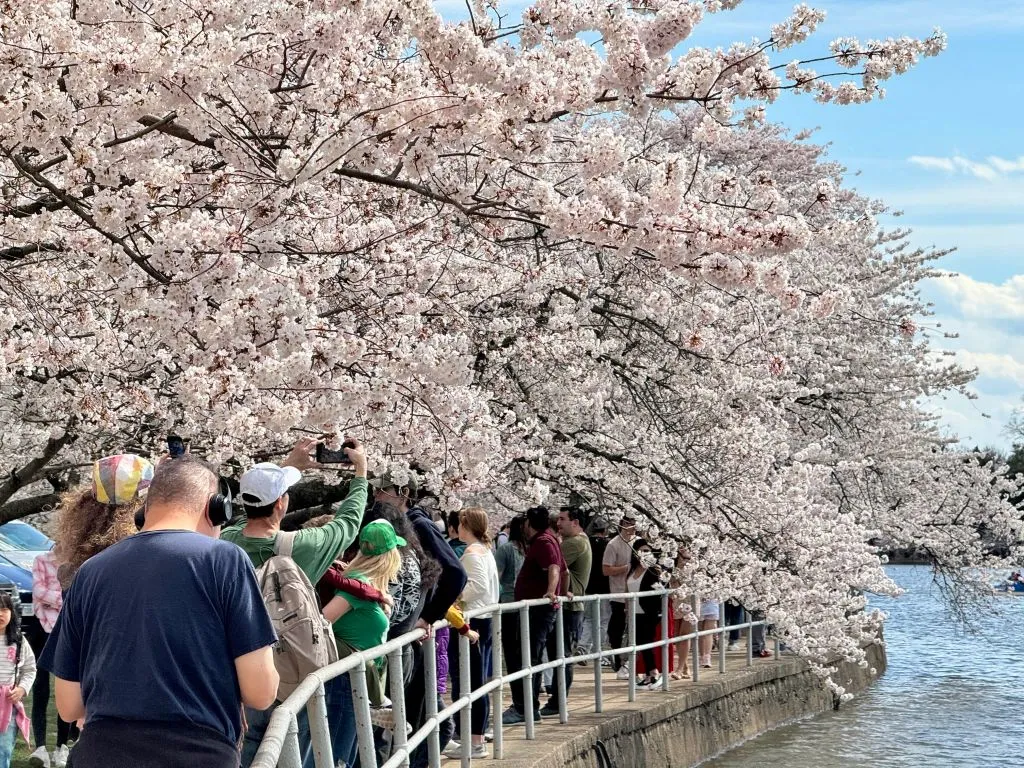
Recent studies suggest that cherry blossoms in both Washington and Kyoto are blooming earlier than expected, highlighting the effects of climate change. In 2023, cherry blossoms in Kyoto reached their peak bloom on March 25, marking the earliest date in 1,214 years. These changes come at a time when climate change deniers gather in Washington to celebrate what they call the "rise of climate realism."
Historically, cherry blossoms in Washington typically bloomed around April 6 during World War II, but this date has shifted to March 29 in recent years. This shift reflects the impacts of global warming, with average global temperatures rising by approximately 1.4 degrees Celsius above pre-industrial levels.
Details of the Findings
At a climate change denial conference held at a Washington hotel, scientific facts indicating that global warming is the primary cause of changes in cherry blossom bloom dates were largely ignored. While research discusses the effects of global warming, some attendees seem to prefer to overlook these facts.
According to a study by Japanese climate scientist Yasuyuki Ono, the average bloom date for cherry blossoms in Kyoto has shifted from April 16 in 1900 to April 4 currently. This change reflects the impacts of climate change on ecosystems.
Background & Context
Cherry blossoms are a cultural symbol in Japan, celebrated annually during the Cherry Blossom Festival. However, climate changes are affecting this long-standing tradition. Research indicates that changes in bloom dates may impact tourism and the local economy.
Historically, cherry blossoms bloomed on consistent dates, but climate changes have led to significant variations in these dates. This phenomenon is not limited to Japan; it includes other regions around the world.
Impact & Consequences
The effects of climate change extend beyond cherry blossoms, impacting agricultural crops such as corn and wheat. Changes in growing seasons may lead to food production shortages, threatening global food security.
Furthermore, the negative impacts of climate change include increased severity of droughts, wildfires, and destructive storms. These natural phenomena lead to rising insurance costs and affect the lives of millions.
Regional Significance
In addition to the cultural implications, the changes in cherry blossom bloom dates resonate with broader environmental concerns. The shifts in seasonal patterns could have cascading effects on local ecosystems and economies, particularly in regions dependent on tourism related to these natural events.
As climate change continues to alter traditional timelines, it raises questions about the future of cultural practices and their sustainability in a changing world.