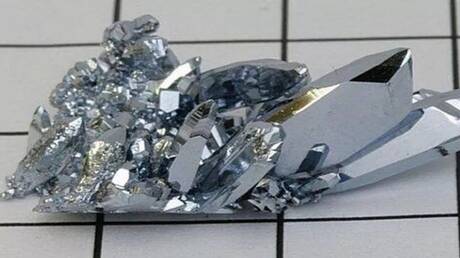
In a striking statement, Russian expert Evgeny Vishnevsky from the National Technological Initiative platform unveiled the rarest and most expensive minerals in the world, clarifying the fundamental differences between natural and synthetic minerals. This information emerges at a time when global interest in natural resources and sustainable exploitation methods is on the rise.
Minerals vary significantly in terms of rarity and value, with some being exceedingly rare, making them much more expensive than others. For instance, rhodium is considered one of the most expensive minerals globally, primarily used in the automotive industry and electronic applications. Meanwhile, gold and platinum are precious metals that enjoy significant popularity in global markets.
Event Details
Vishnevsky explained that natural minerals possess unique characteristics that make them more valuable than synthetic ones. Although some synthetic minerals may be less expensive, their rarity in nature increases their demand. He also noted that the rising demand for rare minerals in modern technological industries reflects the importance of these resources in the global economy.
Other rare minerals include lithium and tantalum, which are used in battery and electronics manufacturing. As reliance on modern technology increases, the demand for these minerals rises, consequently driving up their prices in the markets.
Background & Context
Historically, minerals have been symbols of wealth and power. In ancient times, societies relied on precious metals as a means of trade. Over time, the uses of minerals evolved to encompass various fields, including industry and technology.
In the modern era, the search for rare minerals has become a crucial part of national strategies for achieving economic development. Many countries are striving to secure sources of these minerals to ensure the sustainability of their technological industries.
Impact & Consequences
Forecasts indicate that the demand for rare minerals will continue to rise, potentially leading to increased prices. This situation could impact industries that rely on these minerals, such as the electric vehicle and electronics sectors. Additionally, rising prices may intensify competition among countries to secure these resources.
Moreover, the increase in demand for rare minerals may lead to environmental challenges, as their extraction often requires industrial processes that can be harmful to the environment. Therefore, it is essential for countries to adopt sustainable strategies for exploiting these resources.
Regional Significance
In the Arab region, oil and natural gas are considered primary resources; however, there is a growing interest in rare minerals. Some Arab countries have begun exploring these minerals as part of their efforts to diversify their economies.
For example, certain countries are striving to develop technological industries that rely on rare minerals, which could contribute to enhancing economic growth and creating new job opportunities. This shift may have a positive impact on sustainable development in the region.
In light of global economic changes, understanding rare minerals and their impact on the economy remains crucial. The information provided by the Russian expert highlights the importance and challenges of these resources, necessitating strategic actions from countries to ensure their sustainability.