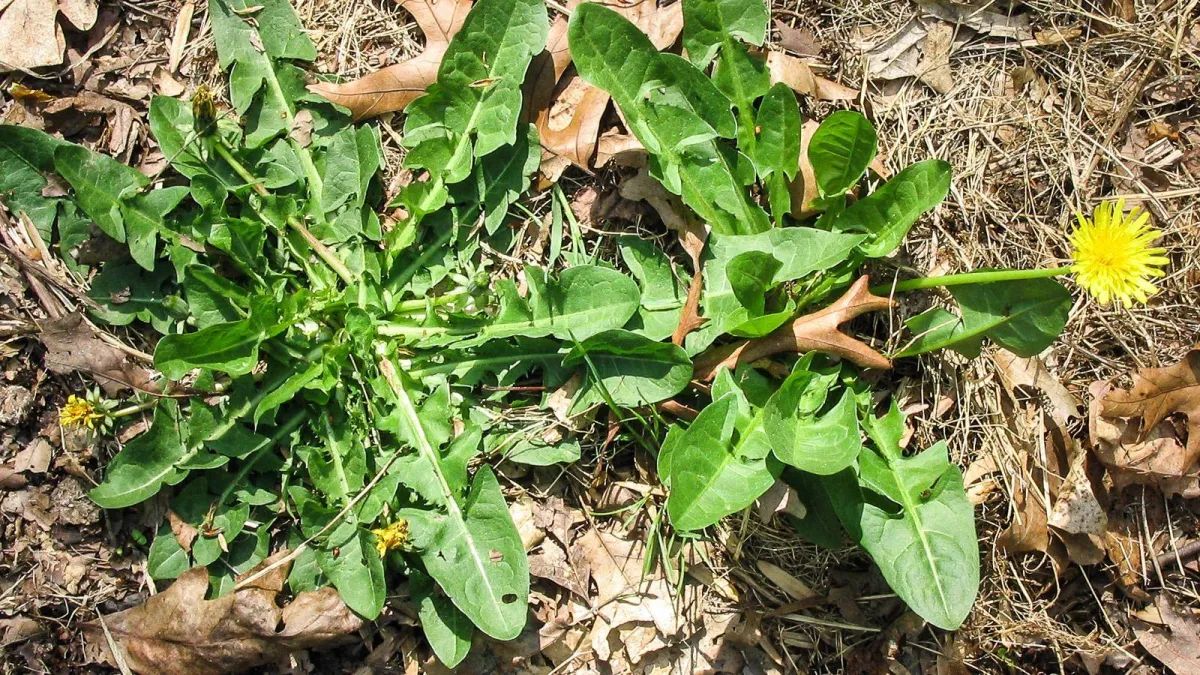
A new study from Shandong Agricultural University in China reveals that dandelion contains effective compounds that help reduce chronic inflammation in the body, paving the way for the development of health supplements. The researchers confirmed that the findings provide a scientific basis for designing food products aimed at mitigating inflammation associated with modern dietary habits.
The study was published in a specialized scientific journal, where researchers employed advanced analytical methods and molecular simulation techniques to identify the active compounds in dandelion. A total of 56 active biological compounds were examined, and their potential molecular targets were predicted.
Event Details
The results showed that 8 compounds interact with 29 proteins linked to inflammation, with the most notable being quercetin and caffeic acid, which affect vital targets to inhibit inflammation within a pathway known as (AGE–RAGE). This pathway involves a series of cellular reactions that lead to the activation of inflammation and cellular damage in the body.
Molecular simulations indicated that quercetin and caffeic acid bind to key components in the inflammation pathway, effectively helping to disrupt inflammatory signals. The effects of these compounds were tested on macrophage cells, a type of immune white blood cell, to simulate an inflammatory condition.
Background & Context
Historically, dandelion is known for its health and nutritional benefits, being used in traditional medicine to treat liver issues, digestive problems, and to boost the immune system. Dandelion contains a wide range of active compounds such as flavonoids, phenolic acids, and terpenes, which grant it antioxidant and anti-inflammatory properties.
The importance of researching natural sources to reduce chronic inflammation is increasing, especially with the rise of metabolic diseases associated with modern lifestyles. This study comes at a critical time as scientists seek natural solutions to growing health issues.
Impact & Consequences
This study provides a comprehensive scientific framework illustrating how dandelion compounds regulate inflammation at the molecular and cellular levels. It also highlights the potential to exploit these compounds in developing dietary supplements that reduce chronic inflammation and enhance overall health.
This research represents a significant step towards developing new dietary strategies, as these compounds could contribute to improving public health and reducing reliance on chemical medications.
Regional Significance
In the Arab region, where chronic disease rates are rising, these findings could serve as a starting point for developing dietary supplements based on natural plants. Such supplements may contribute to enhancing public health and reducing healthcare costs.
In conclusion, the search for natural sources to mitigate chronic inflammation is a crucial step towards improving the quality of life in Arab communities, emphasizing the importance of scientific research in this field.