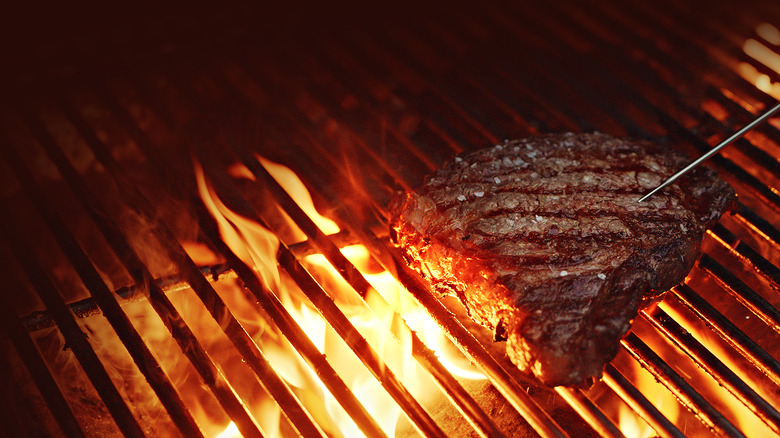
The color of meat reveals its cooking doneness, transitioning from red to brown, which indicates the meat's maturity. These colors not only reflect appearance but also influence the meat's flavor and nutritional value, making them a crucial aspect of culinary art.
When cooking meat, its color begins to shift from light red to darker shades, indicating chemical changes occurring within the tissues. The higher the temperature, the more pronounced the color change, indicating that the meat is fully cooked.
Details of the Event
The various colors of meat serve as an important indicator of its doneness. For instance, raw meat appears in a vibrant red color, while properly cooked meat turns brown. This color change occurs due to the interaction of proteins with heat, leading to the formation of new compounds that give the meat its distinctive flavor.
Additionally, the color of the meat can be influenced by the type of meat itself, as the color of beef differs from that of chicken or pork. Therefore, it is essential for chefs to be aware of these differences to ensure the best cooking results.
Background & Context
Historically, the color of meat has been regarded as a mark of its quality, evaluated based on its appearance. With the evolution of cooking techniques, understanding the chemical factors affecting meat color has become essential. The science behind cooking has become an integral part of modern culinary arts, helping chefs enhance their skills.
In many cultures, meat is a fundamental part of the diet, used in preparing a variety of dishes. Thus, understanding how the degree of doneness affects the flavor and nutritional value of meat is crucial for both chefs and consumers.
Impact & Consequences
Knowing the color of meat affects how it is prepared and presented, which can influence the overall dining experience. Attractive colors enhance consumer appetite, while undesirable colors may deter customers.
Moreover, understanding how to cook meat properly can reduce the risks of foodborne illnesses. Inadequately cooked meat can lead to the transmission of bacteria and germs, posing a threat to public health.
Regional Significance
In the Arab region, meat is an essential component of traditional cuisine, used in preparing various dishes such as kabsa and grilled meats. Therefore, understanding how to cook meat correctly is vital for preserving culinary heritage.
Increasing awareness of how meat color affects flavor can enhance the culinary culture in the region, leading to improved dining experiences and increased demand for professionally cooked dishes.
In conclusion, understanding how meat color affects its cooking doneness is essential for both chefs and consumers. This knowledge not only enhances the quality of dishes but also contributes to promoting food culture within the community.