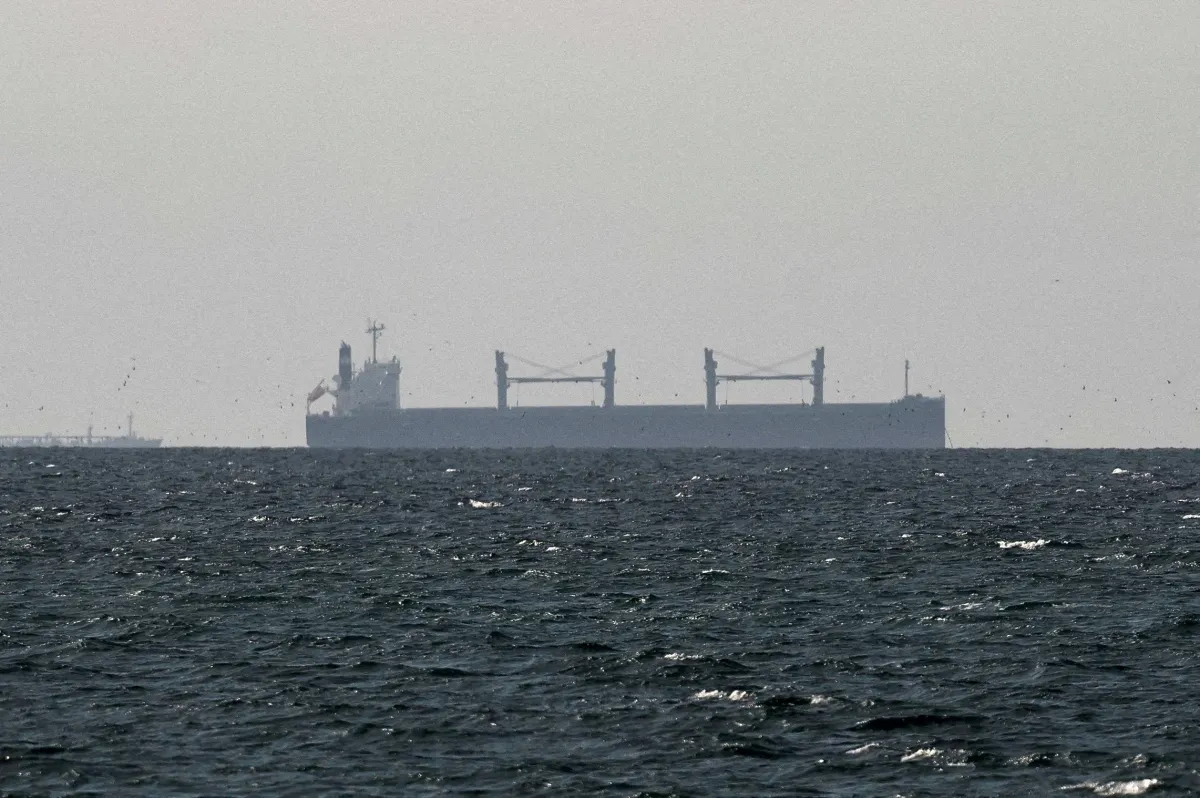
The Thai Ministry of Foreign Affairs reported on Friday that a search team for the Thai ship 'Miyori Nari,' which was attacked near the Strait of Hormuz on March 11, has found human remains on board. The attack on the ship occurred north of Oman, resulting in the loss of three crew members.
The 'Miyori Nari' was on a commercial voyage when it was struck by a missile, raising international concerns about the safety of navigation in the area. A search team was hired by 'Precious' shipping company, the ship's owner, but the ministry did not disclose further details regarding the timing of the search or the ship's current location.
Details of the Incident
On March 30, a previous search operation was announced, but the team was unable to verify the identity of the remains found in the damaged area of the ship. This incident comes amid a rise in attacks on civilian facilities in Gulf countries, where several nations, including Jordan, have faced drone and missile attacks from Iran, resulting in significant damage.
Since February 28, the region has witnessed a notable escalation in attacks, with Iranian drones and missiles targeting airports, ports, and oil facilities. These attacks have heightened fears about their impact on maritime navigation in the Strait of Hormuz, which is considered one of the most important waterways in the world.
Background & Context
The Strait of Hormuz is a vital transit point for oil and natural gas, through which about 20% of global oil supplies pass. Therefore, any military escalation in this area could significantly affect oil prices and global markets. In this context, there has been a growing international consensus on the need to open the strait immediately and unconditionally, with 40 countries considering its closure a direct threat to global prosperity.
Former U.S. President Donald Trump had hinted at continuing pressure on Iran, stating that ending the conflict is contingent upon opening the maritime corridor. Russian President Vladimir Putin also reaffirmed his support for Saudi sovereignty and territorial security, referencing the increasing tensions in the region.
Impact & Consequences
Concerns are mounting that these events could lead to greater escalation in the conflict between Iran and Western nations, which may negatively impact regional stability. Reports have warned that the continuation of attacks could provoke military responses from affected countries, further intensifying tensions.
The current situation raises alarms about the safety of navigation in the Strait of Hormuz, as many countries rely on this corridor for transporting their oil supplies. Any military escalation could lead to increased transportation costs and impact global oil prices, reflecting on the global economy.
Regional Significance
The recent events in the Strait of Hormuz serve as a wake-up call for Arab countries, highlighting the need to enhance security and economic cooperation to address growing challenges. Additionally, military escalation in the region could affect the political and economic stability of neighboring countries, necessitating urgent diplomatic actions.
In conclusion, the situation in the Strait of Hormuz remains under close observation, with expectations that tensions will continue to rise unless effective measures are taken to de-escalate the situation. Strengthening dialogue and cooperation among the concerned countries is essential to avoid further escalation.