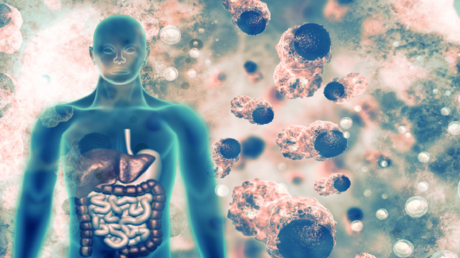
A team of scientists has unveiled an innovative method that assists the body in eliminating harmful nanoplastic particles, which studies have linked to serious diseases such as cancer, heart disease, and brain inflammation. These discoveries come at a time when concerns about the impact of plastics on public health and the environment are increasing.
Nanoplastic particles are modern pollutants that have emerged in the environment due to the widespread use of plastic across various industries. With the rising consumption of plastic, these particles have begun to appear in food and water, increasing the risk of exposure. Research has shown that these particles can enter the body and cause significant health damage.
Details of the Discovery
In a new study, scientists employed advanced techniques to determine how nanoplastic particles affect the body. The results indicated that these particles can cause chronic inflammation, thereby increasing the risk of heart disease and cancer. Additionally, these particles may impact the nervous system, leading to inflammation in the brain.
Thanks to this study, a new method has been developed that relies on using natural materials to help the body expel these particles. Preliminary experiments have shown promising results, as these materials were able to significantly reduce levels of plastic particles in the body.
Background & Context
The issue of plastic pollution is one of the greatest environmental challenges facing the world today. According to reports from the World Health Organization, exposure to plastic particles can lead to serious health problems. With increasing awareness of these risks, scientists are striving to find effective solutions to eliminate these pollutants.
Historically, research on the impact of plastic on health has been limited, but in recent years, studies focusing on this topic have increased. Many previous studies have shown that plastic particles can affect human health in various ways, necessitating urgent action.
Impact & Consequences
The findings of this study represent an important step towards a better understanding of the impact of plastic particles on health. If the effectiveness of the new method is confirmed, it could open new avenues in preventive medicine, helping to reduce the risks of diseases associated with plastic pollution.
Moreover, these results could influence health and environmental policies, potentially prompting governments to take stricter measures to reduce plastic use and promote healthier alternatives.
Regional Significance
In the Arab region, the issue of plastic pollution is a pressing concern, as plastic usage rates are significantly increasing. The results of this study may raise awareness about the health risks associated with plastic, encouraging the adoption of more sustainable policies.
These discoveries could also contribute to enhancing scientific research in Arab countries, helping to develop local solutions to address health and environmental challenges.