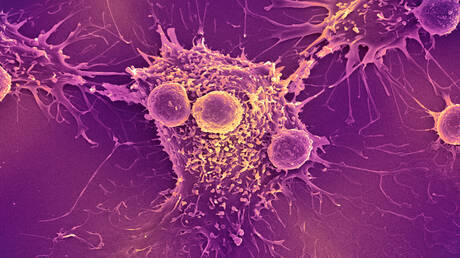
Researchers from the University of Oregon Health and Science have made a groundbreaking scientific discovery that highlights a previously unknown internal system within cells, functioning as a 'trade wind' that quickly transports vital proteins to the leading edge of the cell. This discovery could open new avenues for understanding how cancer spreads and how wound healing occurs.
These findings are particularly significant in the field of medical research, as they may contribute to the development of new therapeutic strategies. When cells are injured or exposed to cancer, it is crucial for them to respond quickly and effectively. Research has shown that this internal system can enhance this response.
Details of the Discovery
The study conducted by the researchers involved advanced techniques to monitor the movement of proteins within cells. The results revealed a complex system that directs proteins to their required locations quickly and efficiently. This system resembles 'trade winds', as it accelerates the movement of proteins in a specific direction, thereby enhancing the effectiveness of cells in responding to various challenges.
Proteins are a fundamental part of vital processes in cells, playing a key role in many essential functions, including growth and regeneration. Therefore, understanding how these proteins are organized within cells can have a significant impact on medical and therapeutic research.
Background & Context
Historically, research on cells and cancer has focused on understanding how tumors form and spread. However, understanding how cells respond to injuries and environmental challenges is also vital. In recent years, we have seen significant advancements in research techniques, allowing scientists to explore these internal systems more deeply.
The University of Oregon Health and Science is a leading institution in this field, contributing to expanding knowledge about how cells operate. This new discovery reflects the ongoing efforts of scientists to better understand vital biological processes.
Impact & Consequences
This discovery could have wide-ranging effects across multiple fields, including medicine and biology. By understanding how the movement of proteins is organized within cells, researchers can develop new therapeutic strategies targeting cancer and injuries more effectively.
Furthermore, this research could improve current treatments, leading to better outcomes for patients. It may also pave the way for new research focused on enhancing cellular responses to various challenges.
Regional Significance
In the Arab region, where cancer and chronic disease rates have increased, this discovery holds particular importance. It could contribute to the development of local research focusing on better understanding diseases and developing new treatments that meet the health needs of the region.
Moreover, enhancing collaboration between Arab universities and research institutions could lead to advancements in this field, contributing to improved healthcare in the region.
Scientific discoveries like this reflect the importance of ongoing research in understanding biological processes. As science advances, we can hope for significant progress in the fields of medicine and treatment, benefiting humanity as a whole.