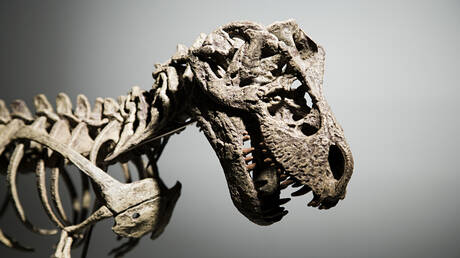
Scientists from the University of Texas have unveiled a new species of small dinosaur on 'Avai' Island in South Korea, marking the first discovery of its kind in the country in 15 years. This finding highlights the importance of scientific research in exploring biodiversity and natural history.
The newly discovered dinosaur, named Dolorinus, is characterized by its small size and unique features that distinguish it from previously identified species. This new type represents a significant step in understanding the evolution of dinosaurs and how they adapted to their environments.
Details of the Discovery
The remains of the dinosaur were found in an area rich in fossils, indicating that the island was home to a diverse array of living organisms in ancient times. Scientists noted that this discovery could provide new insights into how dinosaurs lived and interacted with their environment.
'Avai' Island is a unique location, containing geological layers from different eras, making it an attractive site for researchers in the field of paleontology. Numerous studies have been conducted in this area, but this discovery is considered the most significant in a long time.
Background & Context
Historically, South Korea has witnessed many archaeological discoveries that have contributed to understanding the history of dinosaurs in the region. Although dinosaurs existed worldwide, studies in Korea have been relatively limited in recent years.
Previous discoveries in South Korea included various types of dinosaurs, but this new species adds valuable information to the scientific database. Scientists hope that this discovery will stimulate further research in this field.
Impact & Consequences
This discovery could have a significant impact on our understanding of the history of life on Earth. With each new finding, more details emerge about how living organisms evolved and interacted with their environments.
Additionally, this discovery may contribute to enhancing scientific tourism in South Korea, as visitors and researchers interested in natural history can visit the island and explore more about the dinosaurs that lived during that era.
Regional Significance
While this discovery pertains to South Korea, it has broader implications for scientific research in the Arab world. Arab countries have a long history of biodiversity, and research in this area should be promoted for a better understanding of the history of life in the region.
Such discoveries can inspire Arab scientists to invest in research and studies related to natural history, contributing to the enhancement of scientific knowledge in the Arab world.
In conclusion, the discovery of the new dinosaur in South Korea represents an important step in the field of paleontology and reflects the significance of scientific research in understanding the history of life on Earth. As research continues, we can hope for more discoveries that will expand our knowledge of prehistoric times.