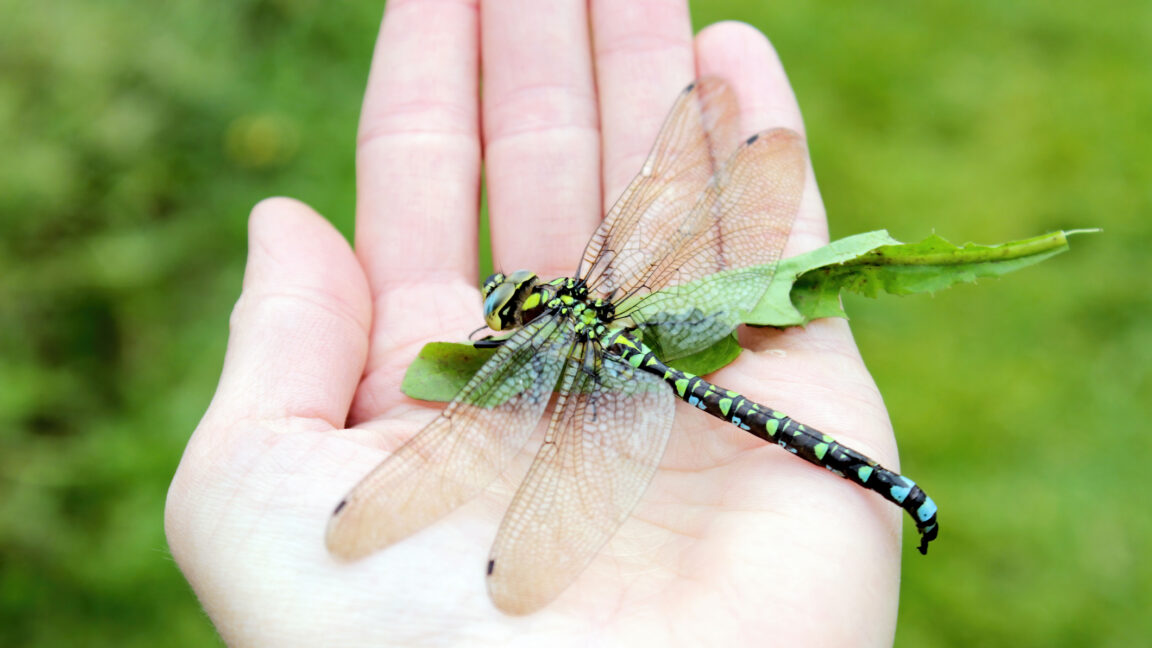
In a new study, scientists confirmed that the respiratory capacity of living organisms may be the main factor explaining the absence of the giant dragonfly, which lived in ancient times and could reach lengths of two feet. This discovery opens new horizons for understanding how organisms adapt to environmental changes, especially in light of decreasing oxygen levels in the atmosphere.
Research indicates that the giant dragonfly, which lived around 300 million years ago, breathed differently from current living organisms, allowing it to survive in environments with lower oxygen levels. These findings represent an important step in understanding the evolution of life on Earth.
Event Details
The giant dragonfly, known as Meganeura, was considered one of the largest insects to have ever lived on Earth. Fossils of it have been found in multiple regions, indicating its wide distribution in ancient times. However, its extinction raises questions about how species adapt to environmental changes.
Recent studies show that oxygen levels in the atmosphere have significantly decreased since those times, affecting the respiratory capacity of living organisms. Nevertheless, the giant dragonfly's ability to adapt to these conditions may have been the reason for its prolonged existence before extinction.
Background & Context
Historically, Earth has experienced periods of significant climate change, with oxygen levels fluctuating dramatically. In ancient times, dense forests provided oxygen-rich environments, allowing large organisms like the giant dragonfly to thrive. However, over time, climatic changes led to a decline in these levels, impacting the survival of various organisms.
This discovery reflects the importance of studying historical patterns of environmental changes and how they can affect life on Earth. It also highlights the necessity of understanding how living organisms adapt to changing conditions.
Impact & Consequences
These findings are of great significance in the field of evolutionary biology, as they help scientists understand how living organisms evolve in response to environmental changes. They also pave the way for further research on how current climatic changes affect contemporary species.
Moreover, understanding how organisms adapt to environmental conditions may assist in developing strategies to preserve biodiversity amid the rapid climatic changes our planet is currently experiencing.
Regional Significance
In the Arab region, where many species are threatened due to climate change and habitat loss, these findings could be significant. Understanding how environmental changes impact species can help formulate strategies for preserving biodiversity in Arab environments.
This study also underscores the importance of scientific research in understanding the environmental challenges facing the region, necessitating greater investment in environmental and biodiversity research.
The discovery of respiratory capacity as a significant factor in the survival of the giant dragonfly opens new avenues for understanding the evolution of life on Earth. It is crucial to leverage this knowledge in addressing current and future environmental challenges.